



Trump Voices Optimism on U.S.-Iran Talks Amid Nuclear Tensions
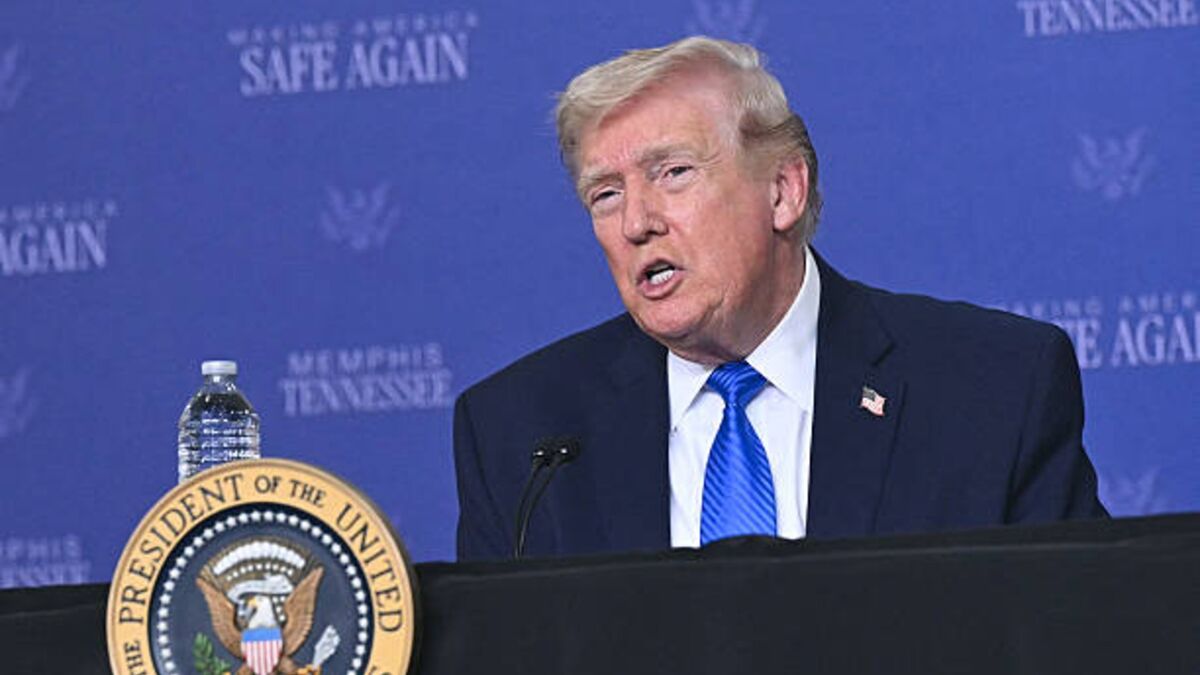
Memphis, Tennessee — In a rare public acknowledgment of diplomatic progress, former U.S. President Donald Trump revealed that the United States is engaged in “very good talks” with Iran, signaling a potential thaw in relations between the two long-standing adversaries. Speaking at a public event in Memphis, Tennessee, Trump addressed concerns over Iran’s nuclear ambitions, admitting that Tehran’s recent assertions about acquiring nuclear weaponry had made him uneasy. While the specifics of these discussions remain undisclosed, Trump’s remarks have reignited debates over the future of U.S.-Iran relations and the broader implications for global security.
The comments come at a crucial juncture, as tensions between Washington and Tehran have remained fraught since Trump’s presidency, marked by the withdrawal from the 2015 Iran nuclear deal, officially known as the Joint Comprehensive Plan of Action (JCPOA). The Obama-era agreement, which aimed to curb Iran’s nuclear program in exchange for sanctions relief, was scrapped by Trump in 2018, leading to a rapid deterioration in bilateral relations and a resurgence of economic sanctions against Iran. Since then, Iran has progressively ramped up its nuclear activities, enriching uranium to levels closer to weapons-grade and reducing cooperation with international inspectors.
Context of Growing Tensions
Recent months have seen a troubling escalation in Iran’s rhetoric regarding its nuclear capabilities. Senior Iranian officials have made public statements suggesting Tehran is closer than ever to developing a nuclear weapon, framing it as a response to perceived threats from the U.S. and its allies. These declarations have sparked widespread alarm among Western powers and regional stakeholders, who fear that a nuclear-armed Iran could destabilize an already volatile Middle East.
Trump’s admission of nervousness underscores the gravity of the situation. “When Iran brags about getting a nuclear weapon, it’s concerning,” he told the audience in Memphis. “But we’re talking, and the talks are going well.” While the former president did not elaborate on the nature or participants of these discussions, analysts speculate that the dialogue may involve backchannel communications facilitated by intermediaries, a tactic often employed in sensitive diplomatic negotiations.
A Rocky History of U.S.-Iran Relations
The relationship between the U.S. and Iran has been fraught with mistrust and conflict for decades. The roots of animosity trace back to the 1979 Islamic Revolution, which toppled the U.S.-backed Shah and established the Islamic Republic under Ayatollah Khomeini. The subsequent hostage crisis at the U.S. Embassy in Tehran further entrenched hostilities, leaving a legacy of distrust that persists to this day.
Efforts to mend ties have been sporadic and often met with setbacks. The JCPOA, negotiated under the Obama administration, was hailed as a landmark achievement in diplomacy but faced staunch criticism from Republicans and conservatives, including Trump, who labeled it a “bad deal” that failed to address Iran’s ballistic missile program or its role in regional conflicts. Since withdrawing from the agreement, the Trump administration pursued a “maximum pressure” campaign, imposing crippling sanctions aimed at curtailing Iran’s economy and forcing concessions on its nuclear and regional activities.
However, the strategy yielded mixed results. While the sanctions inflicted economic pain on Iran, they also emboldened hardliners within the country, who used the U.S. withdrawal to justify accelerating nuclear advancements. The election of President Ebrahim Raisi in 2021 further complicated matters, as his administration adopted a more uncompromising stance, demanding guarantees that future agreements would not be overturned by subsequent U.S. administrations.
The Path Forward
Trump’s latest remarks suggest a possible shift in approach, though details remain scarce. Experts caution that any meaningful progress will require addressing the deep-seated grievances on both sides. For Iran, this includes demands for sanctions relief and assurances of long-term U.S. commitment to any new agreement. For the U.S., the priority remains preventing Iran from developing nuclear weapons and addressing its influence in volatile regions such as Yemen, Syria, and Lebanon.
The Biden administration, which has expressed a willingness to re-enter the JCPOA under certain conditions, will likely play a pivotal role in shaping the trajectory of these talks. However, domestic political dynamics in both countries pose significant challenges. In the U.S., bipartisan consensus on Iran policy remains elusive, with Republicans wary of any agreement perceived as lenient and Democrats divided between pragmatic engagement and skepticism of Iran’s intentions. Meanwhile, Iran’s leadership faces pressure from hardliners opposed to any concessions to the West.
Global Implications
The stakes of U.S.-Iran diplomacy extend far beyond bilateral relations. A nuclear-armed Iran could trigger a regional arms race, with countries such as Saudi Arabia and Turkey seeking their own nuclear capabilities to counterbalance Tehran. Moreover, the ongoing tensions have already disrupted global energy markets, as Iran’s oil exports remain constrained by sanctions, contributing to volatility in crude prices.
The international community, including European powers and China, has a vested interest in seeing tensions de-escalate. The European Union has repeatedly urged both the U.S. and Iran to return to the negotiating table, emphasizing the importance of diplomacy in averting a potential crisis. China, a key ally of Iran, has also positioned itself as a mediator, advocating for dialogue and mutual respect in resolving disputes.
Conclusion
As talks between the U.S. and Iran reportedly gain momentum, the world watches with cautious optimism. While the path to reconciliation is fraught with challenges, the potential rewards—a more stable Middle East, reduced nuclear proliferation risks, and revitalized global diplomacy—are immense. Whether these discussions will lead to a breakthrough or falter under the weight of historical grievances and political complexities remains to be seen. For now, Trump’s acknowledgment of progress offers a glimmer of hope in an otherwise strained relationship, reminding the world that even the most entrenched disputes can find resolution through dialogue.
The journey ahead is uncertain, but as diplomatic efforts continue, the global community waits, hopeful that peace and stability may yet prevail.
