



Tokyo’s Surging Condominium Market Hits a Crossroads as Inflation and Policy Changes Cool Demand
By [Your Name]
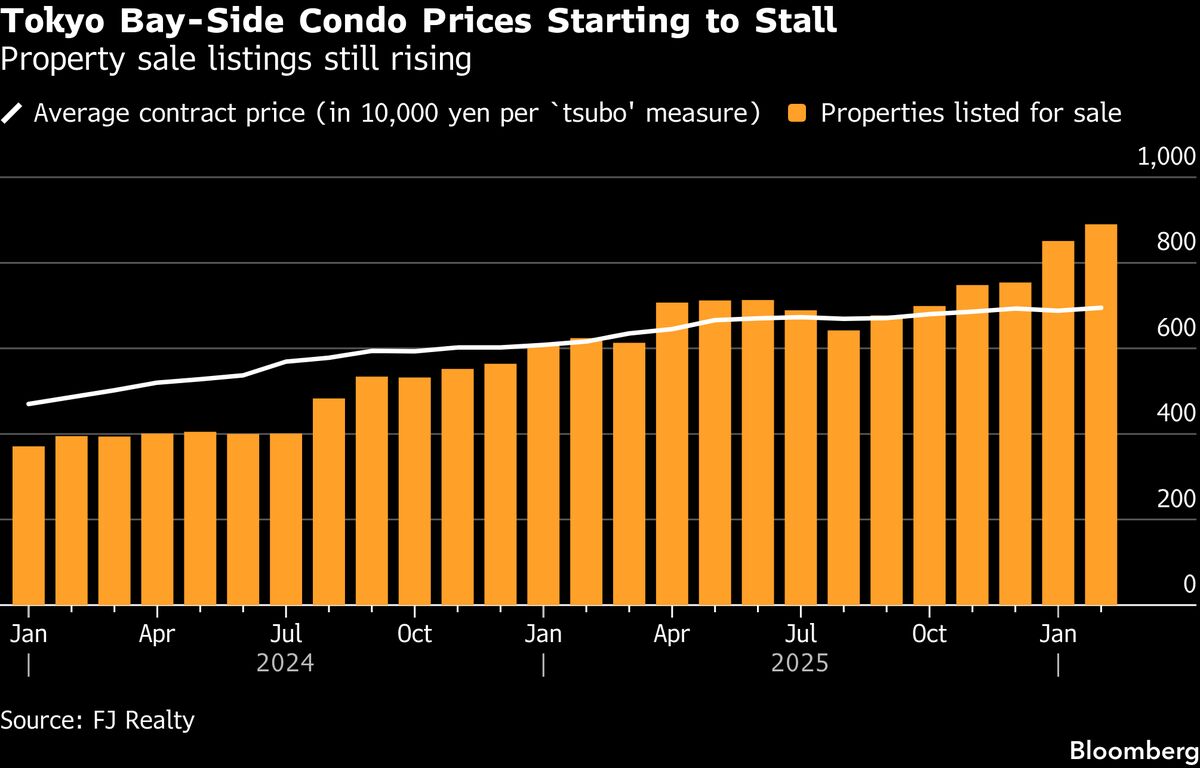
Tokyo, Japan – For years, the bustling metropolis of Tokyo has been a beacon for real estate investors, with its central neighborhoods drawing global attention for their soaring property values. However, the once-relentless ascent in the price of used condominiums in the heart of Japan’s capital is showing signs of stalling, as a confluence of economic pressures and government interventions begins to reshape the market. Rising inflation, escalating interest rates, and targeted policy measures designed to curb housing costs are now tempering investor enthusiasm, marking a pivotal moment in Tokyo’s housing landscape.
A Decade of Growth Meets New Challenges
Over the past decade, Tokyo’s central districts have seen a steady climb in the value of condominiums, fueled by robust demand from both domestic and international buyers. The appeal of these properties was rooted in Tokyo’s status as a global financial hub, its reputation for safety, and the relative affordability of its housing market compared to other major cities like New York or London. Additionally, Japan’s prolonged period of low interest rates following the Bank of Japan’s aggressive monetary easing policies created fertile ground for real estate investment.
However, the dynamics of the market are shifting. Recent data indicates that the upward trajectory of used condominium prices in central Tokyo is flattening, with some areas even experiencing slight declines. Analysts attribute this trend to several interconnected factors, including mounting inflationary pressures, rising borrowing costs, and deliberate government efforts to address housing affordability concerns.
Inflation and Interest Rates Dampen Investor Sentiment
Inflation, which has been a growing concern globally, is now making its presence felt in Japan. After years of grappling with deflation, the country has seen consumer prices rise steadily, spurred by a combination of higher energy costs, supply chain disruptions, and a weakening yen. While inflation remains moderate compared to other economies, it has begun to erode purchasing power and increase the cost of living for households.
This inflationary backdrop coincides with a gradual tightening of monetary policy by the Bank of Japan. After years of holding interest rates near zero, the central bank has signaled a shift, allowing long-term borrowing costs to rise. Higher interest rates have made mortgages more expensive, reducing the affordability of housing for potential buyers. For investors, the increased cost of capital has diminished the appeal of real estate as a lucrative asset class, leading to a slowdown in transactions.
Government Measures Aim to Ease Housing Costs
In tandem with macroeconomic pressures, the Japanese government has introduced measures aimed at curbing the rapid escalation of housing prices. Policymakers have expressed concern that soaring real estate values could exacerbate income inequality and make housing inaccessible for middle- and lower-income residents.
Among the steps taken are stricter regulations on speculative investments and enhanced support for affordable housing initiatives. The government has also proposed tax incentives for developers to focus on mid-range and lower-cost housing projects, rather than luxury condominiums catering to high-net-worth individuals. While these measures are still in their early stages, they reflect a broader commitment to ensuring that Tokyo’s housing market remains inclusive and sustainable.
Market Implications and Broader Trends
The slowdown in Tokyo’s condominium market is emblematic of a broader trend reshaping global real estate markets. Cities from Sydney to San Francisco have seen housing prices plateau or decline in recent months, as central banks worldwide raise interest rates to combat inflation. In Tokyo’s case, the cooling market highlights the delicate balance between maintaining economic stability and addressing affordability challenges.
For buyers, particularly first-time homeowners, the pause in price growth offers a glimmer of hope. While affordability remains a hurdle, the stabilization of prices could provide an opportunity for those who had previously been priced out of the market. On the other hand, sellers and investors face a more uncertain landscape, as the days of guaranteed returns on property investments appear to be waning.
A Turning Point for Tokyo’s Housing Market
Tokyo’s real estate market has long been a symbol of Japan’s economic resilience and its ability to adapt to changing circumstances. The recent cooling of condominium prices underscores the intricate interplay between economic forces and policy decisions. As inflation, interest rates, and government interventions continue to shape the market, stakeholders will be closely watching for signs of whether this slowdown is a temporary blip or the beginning of a more profound shift.
While the future trajectory of Tokyo’s housing market remains uncertain, one thing is clear: the city’s real estate landscape is entering a new chapter, one where affordability and inclusivity are increasingly taking center stage. Whether this recalibration will lead to a more balanced and sustainable market or introduce new challenges remains to be seen.
In the meantime, Tokyo’s condominium market serves as a microcosm of the broader global real estate narrative, offering lessons and insights for cities grappling with similar issues worldwide. As the world watches, Tokyo’s next steps could provide a roadmap for navigating the complex interplay of economic pressures and housing policy in an era of uncertainty.
