


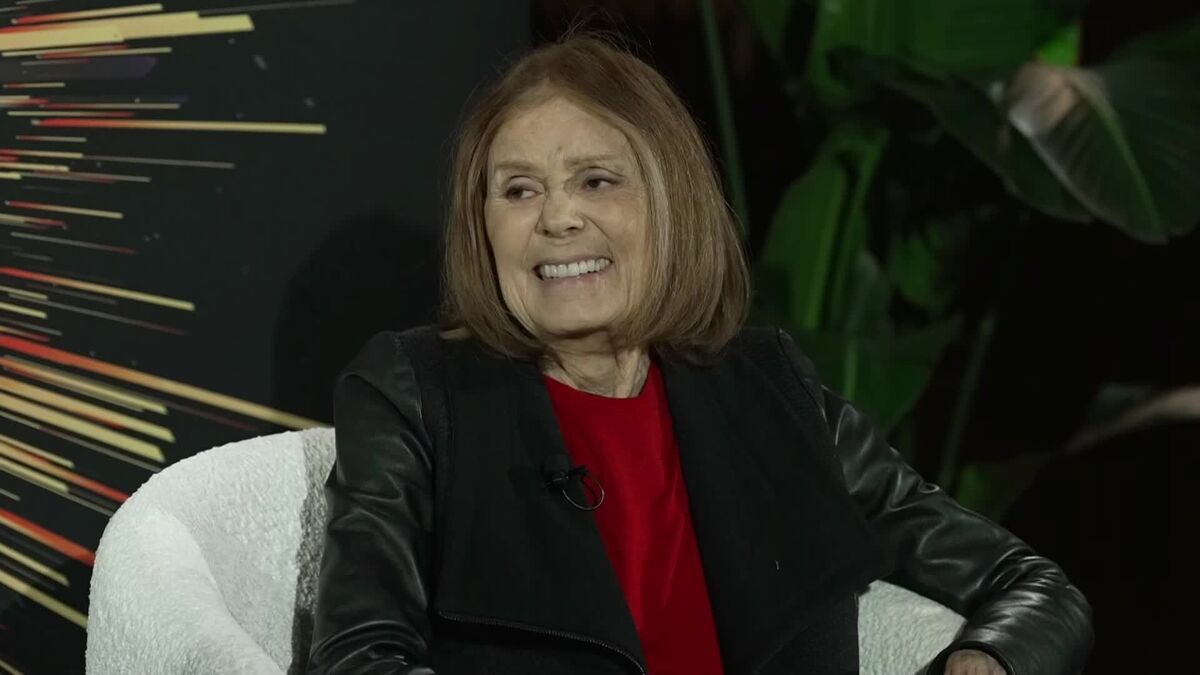

Feminist Luminary Gloria Steinem Champions Women’s Empowerment in Landmark Discussion with Sherry Paul
In a rare and riveting exchange, Gloria Steinem, the iconic feminist pioneer whose advocacy has shaped generations of gender equality movements, joined Sherry Paul, a leading voice in workplace inclusivity, for a profound conversation on women’s participation in the workforce and the relentless drive needed to foster enduring societal transformation. Held against the backdrop of a rapidly evolving global landscape, the discussion underscored the persistent challenges women face in achieving parity while highlighting the strides made over decades of activism. Their dialogue, rich with historical context and forward-looking insights, resonated deeply with audiences worldwide, offering both a sobering reflection on the present and a clarion call for the future.
Steinem, whose name has become synonymous with the feminist movement since the 1960s, has long been a catalyst for societal change. From co-founding Ms. Magazine to spearheading campaigns for reproductive rights and gender equality, her contributions have been instrumental in reshaping the narrative around women’s roles in society. Sherry Paul, a trailblazer in corporate diversity and inclusion, brought to the table her expertise in dismantling systemic barriers within professional environments. Together, they explored the complexities of women’s workplace participation, emphasizing the intersectionality of gender, race, and class in shaping experiences of inequality.
The event, hosted in partnership with Bloomberg, served as a timely reminder of the unfinished business of feminism. Despite significant progress—women now occupy boardrooms, political offices, and leadership positions in unprecedented numbers—systemic inequities persist. Steinem remarked on the paradox of advancements coexisting with stagnation, noting that while “glass ceilings” have been shattered in some sectors, “glass walls” of invisible barriers still confine many women. “We’ve come a long way, but the journey is far from over,” she stated, her words echoing the sentiment shared by millions globally.
One of the central themes of the conversation was the importance of collective action in driving change. Steinem reflected on the early days of the feminist movement, emphasizing that progress was never the result of individual efforts but of a united front. “Change doesn’t happen because one person rises up; it happens because communities mobilize,” she asserted. Paul echoed this sentiment, highlighting the role of allyship and solidarity in dismantling workplace hierarchies. She pointed to initiatives such as mentorship programs, pay transparency, and inclusive hiring practices as essential tools for leveling the playing field.
The discussion also delved into the evolving nature of feminism in the 21st century. Steinem acknowledged the strides made by younger generations in broadening the movement’s scope to encompass issues such as LGBTQ+ rights, environmental justice, and digital activism. However, she cautioned against complacency, urging continued vigilance in the face of pushback against gender equality. “Every gain we’ve made has been met with resistance, and every generation must fight to protect and expand those gains,” she warned.
Paul, drawing from her experience in corporate America, emphasized the economic imperative of gender parity. She cited studies showing that companies with diverse leadership teams outperform their peers, underscoring the business case for inclusion. Yet, she lamented the slow pace of progress, particularly for women of color and those in marginalized communities. “Diversity is not just a moral obligation; it’s a strategic advantage. But until we address the systemic biases that perpetuate inequality, we’re leaving untapped potential on the table,” she argued.
The conversation also touched on the impact of the COVID-19 pandemic, which has exacerbated existing inequalities. Women, particularly those in caregiving roles, have borne the brunt of the crisis, with many forced to leave the workforce or scale back their careers. Steinem and Paul called for policies that support working mothers, such as paid family leave, affordable childcare, and flexible work arrangements. They stressed that without such measures, the pandemic’s gendered repercussions could endure for generations.
As the discussion drew to a close, Steinem and Paul issued a rallying cry for renewed commitment to the feminist cause. Steinem invoked the spirit of the Women’s Marches that swept the globe in 2017, urging activists to channel that energy into sustained advocacy. “The power of people united is unstoppable,” she declared. Paul, meanwhile, emphasized the importance of leveraging technology and data to drive change, urging corporations to adopt measurable goals for diversity and inclusion.
Their dialogue was a powerful reminder that while the path to gender equality is fraught with challenges, it is also paved with immense possibility. Steinem and Paul’s insights illuminated the interconnectedness of individual actions and collective progress, offering a roadmap for those committed to building a more equitable world.
As the world continues to grapple with entrenched inequalities, the voices of Steinem and Paul serve as both inspiration and instruction. Their conversation was not merely a reflection on the past but a call to action for the future—a reminder that the fight for gender equality is far from over, yet within reach if we dare to persist.
In a world still striving for balance, their message resonates: the arc of history may bend toward justice, but it requires the hands of many to guide it.
