



Ultrahuman Secures U.S. Approval for Ring Pro, Sets Stage for Renewed Battle with Oura
Bengaluru, March 2026 — Ultrahuman, the Indian health-tech startup known for its smart rings, is gearing up for a major U.S. comeback after receiving regulatory clearance for its latest device, the Ring Pro. The approval marks a pivotal moment for the company, which had been locked in a bruising patent dispute with Finnish rival Oura—a conflict that cost Ultrahuman millions in lost sales and market share. Now, with a redesigned product and a fresh legal pathway, Ultrahuman is preparing to reclaim its position in the world’s most lucrative smart ring market.
A Rocky Road to U.S. Reentry
The U.S. International Trade Commission (ITC) dealt Ultrahuman a severe blow in October 2025 when it ruled in favor of Oura, effectively blocking imports of Ultrahuman’s earlier model, the Ring Air. The decision forced the Bengaluru-based firm to halt U.S. shipments, leading to an estimated $50 million revenue loss, according to CEO Mohit Kumar.
The setback came at a critical juncture. The U.S. smart ring market, valued at 2.6 million units in 2025—60% of global sales—has been expanding rapidly, with year-over-year growth hitting 59%. Ultrahuman’s U.S. market share had surged to nearly 25% by mid-2025 before plummeting to single digits amid the import restrictions. Meanwhile, Oura capitalized on its rival’s absence, swelling its dominance to 85% of the market by year’s end.
“The restrictions were a temporary hurdle,” Kumar told TechCrunch in an interview. “We’ve used this time to refine our technology and supply chain. The Ring Pro isn’t just a response to legal challenges—it’s a leap forward in design and functionality.”
The Ring Pro: A Strategic Reinvention
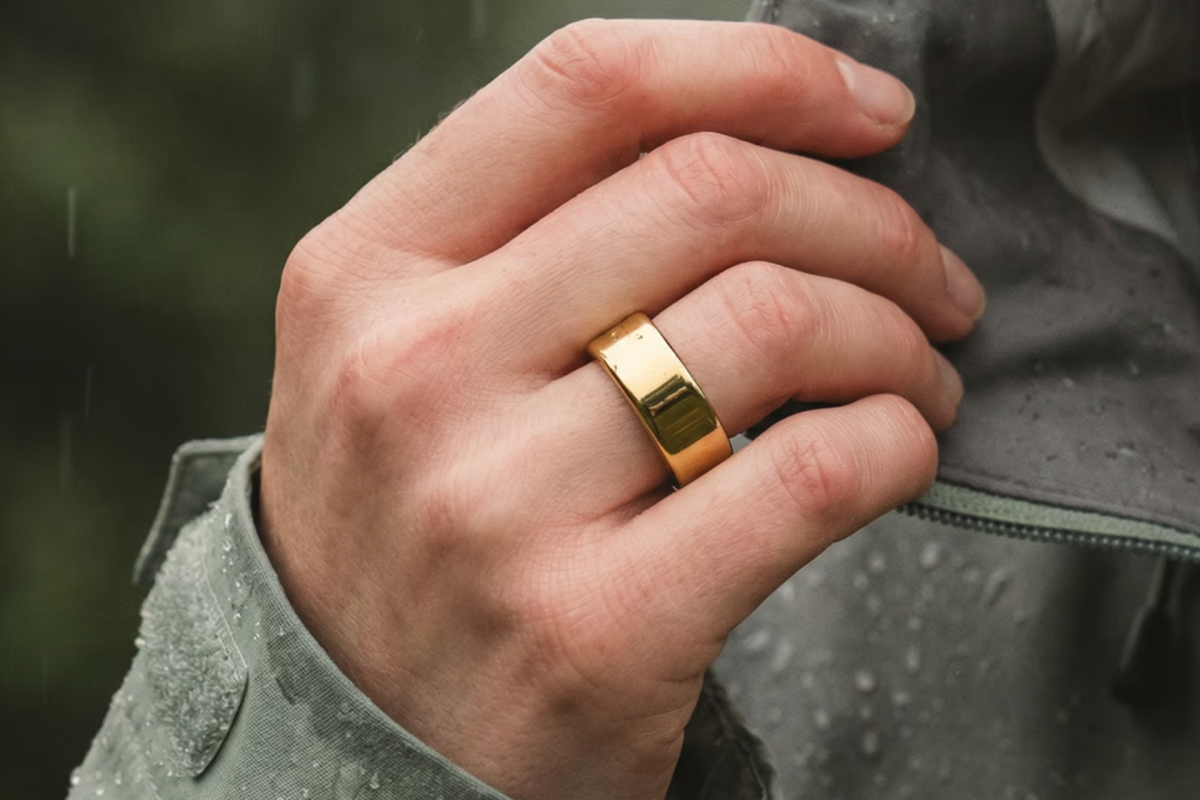
At the heart of Ultrahuman’s revival strategy is the Ring Pro, a sleek, unibody metal device boasting extended battery life and enhanced on-device processing. The redesign was instrumental in securing U.S. Customs and Border Protection approval, allowing the company to bypass earlier patent disputes.
Pre-orders for the Ring Pro opened this week, with shipments slated to begin May 15. Priced at $399 (with an introductory $349 offer for early buyers), the device targets fitness enthusiasts and biohackers seeking advanced health tracking. Unlike its predecessor, the Ring Pro integrates improved sleep staging, blood oxygen monitoring, and real-time skin temperature analysis—features that put it in direct competition with Oura’s latest offerings.
Global Expansion Amid U.S. Challenges
While the U.S. remains Ultrahuman’s largest revenue driver—accounting for 45% of its 700,000 daily active users—the company has diversified its footprint during the import freeze. Europe and Asia now contribute a growing share of sales, cushioning the blow from its U.S. setbacks.
India, Ultrahuman’s home market, presents a mixed picture. Though the company leads with a 30.4% share, the broader Indian smart ring sector shrank by 30.6% in 2025, according to IDC. Average selling prices have also dipped to $160, reflecting intense competition and price sensitivity.
Adding to the pressure, Oura recently entered India with its Ring 4, signaling a new front in the rivalry between the two firms. Kumar remains optimistic, framing the competition as a catalyst for market expansion. “Smart rings are still a nascent category here,” he said. “More players mean greater awareness, which benefits everyone.”
The Road Ahead: Wearables and Beyond
Ultrahuman isn’t limiting its ambitions to rings. Kumar hinted at an upcoming wearable focused on a novel biomarker, though details remain under wraps. The company already tracks metrics like heart rate variability, sleep cycles, and movement, but the new device could position Ultrahuman in an adjacent—and less saturated—market.
Industry analysts caution that reclaiming U.S. market share won’t be easy. “Oura has entrenched itself during Ultrahuman’s absence,” said Jitesh Ubrani, IDC’s research manager. “Rebuilding distribution and consumer trust will take time.” Still, with the smart ring market projected to grow at double-digit rates globally, Ultrahuman’s reinvention could yet pay off.
As the battle for wrist—and finger—real estate heats up, one thing is clear: the wearables wars are far from over.
