


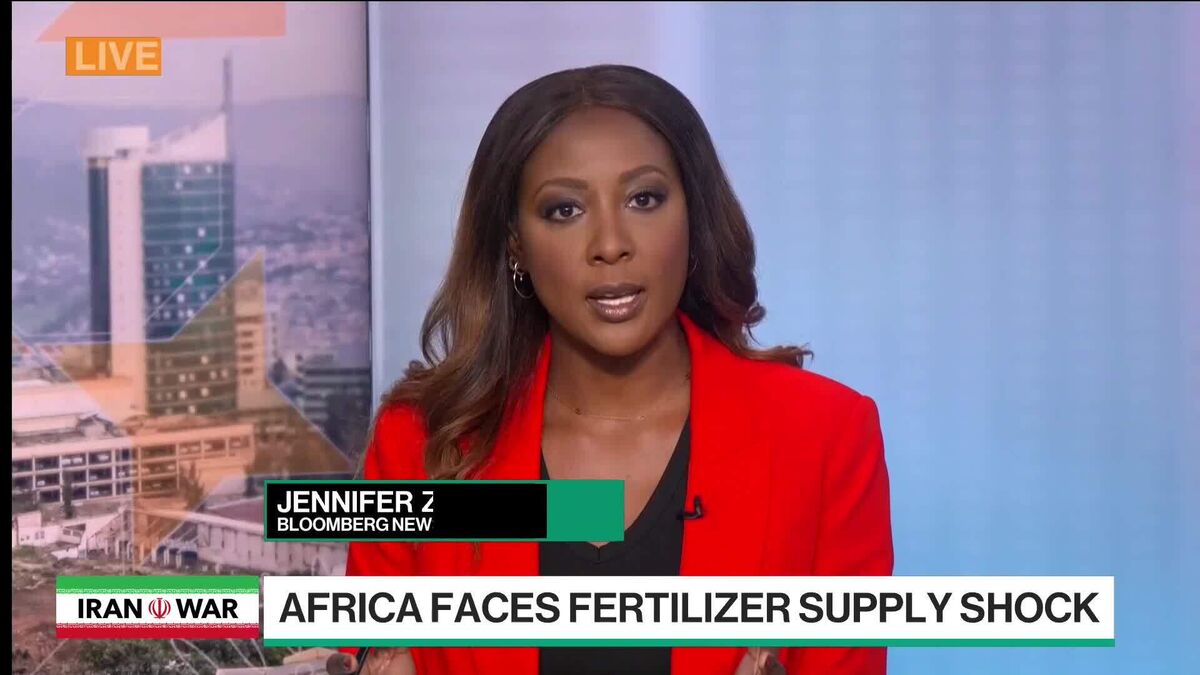

Global Fertilizer Crisis Deepens: Africa Faces Supply Shortages Amid Iran Conflict
The global fertilizer market, already strained by geopolitical tensions and supply chain disruptions, has taken another hit as the escalating conflict in Iran threatens to exacerbate shortages in Africa. Countries like Nigeria, which depend heavily on imported fertilizers from China and Russia, are already experiencing delays, rising costs, and dwindling availability. The situation poses a significant risk to food security across the continent, where agriculture remains a cornerstone of economies and livelihoods for millions. As the world grapples with interconnected crises, Africa’s farmers are bracing for yet another challenging season.
The Backdrop: A Fragile Global Fertilizer Market
Fertilizer production and distribution have been under pressure for years due to a combination of factors, including the COVID-19 pandemic, climate change, and geopolitical conflicts. The Russia-Ukraine war, for instance, disrupted supplies of key fertilizer components like potash and phosphate, both of which are critical for crop production. Russia, a major exporter of fertilizers, saw its shipments curtailed by international sanctions, while Ukraine’s ability to produce and export fertilizers was severely hampered by the conflict.
Compounding these issues, China—another major player in the fertilizer market—has prioritized domestic agricultural needs over exports, further tightening global supplies. These disruptions have sent fertilizer prices skyrocketing, with costs doubling or even tripling in some regions over the past two years. Against this already precarious backdrop, the conflict in Iran has introduced another layer of uncertainty, threatening to destabilize supply chains even further.
Iran’s Role in the Fertilizer Supply Chain
Iran is a significant producer of urea, a nitrogen-based fertilizer widely used in agriculture. The country plays a crucial role in global urea exports, particularly to Africa and Asia. However, the escalating conflict in Iran has disrupted production and export capabilities, creating a domino effect across global supply chains. Ports and logistical networks have been affected, delaying shipments and increasing costs.
For African nations, many of which rely heavily on imports to meet their agricultural needs, this disruption couldn’t have come at a worse time. The continent is already grappling with the impacts of climate change, including prolonged droughts and unpredictable rainfall patterns, which have strained food production. Fertilizer shortages threaten to exacerbate these challenges, potentially leading to reduced crop yields and heightened food insecurity.
Nigeria: A Case Study in Vulnerability
Nigeria, Africa’s most populous nation, serves as a stark example of the challenges posed by the fertilizer crisis. Agriculture accounts for nearly 25% of Nigeria’s GDP and employs more than 70% of its workforce. Despite its agricultural potential, Nigeria remains heavily reliant on imported fertilizers, with China and Russia being its primary suppliers.
In recent months, Nigerian farmers have reported significant delays in receiving fertilizer shipments, coupled with steep price increases. A 50-kilogram bag of urea, for example, now costs nearly double what it did a year ago. For many smallholder farmers, these prices are prohibitively expensive, forcing them to reduce fertilizer usage or abandon it altogether.
The implications are dire. Reduced fertilizer application typically leads to lower crop yields, which not only threatens food security but also impacts farmers’ incomes and livelihoods. In a country where poverty rates remain high, the ripple effects of this crisis could be devastating.
Broader Implications for Africa
The fertilizer crisis extends far beyond Nigeria. Across sub-Saharan Africa, where agriculture is a lifeline for hundreds of millions of people, similar challenges are emerging. Countries like Kenya, Ethiopia, and Ghana are also heavily dependent on imported fertilizers, and they too are facing supply shortages and price hikes.
Experts warn that the situation could have far-reaching consequences. Lower agricultural productivity could lead to increased food prices, exacerbating inflation and placing additional strain on households already struggling to make ends meet. Moreover, reduced crop yields could undermine efforts to achieve food self-sufficiency, forcing countries to rely even more heavily on imports.
The Regional Response
African governments and regional organizations are scrambling to address the crisis. Some countries have introduced subsidies to help farmers afford fertilizers, while others are exploring alternative sources of supply. For example, Morocco, a major producer of phosphate-based fertilizers, has stepped up its exports to neighboring countries.
However, these measures are stopgap solutions at best. Addressing the root causes of the crisis will require long-term strategies, such as investing in domestic fertilizer production and improving agricultural practices to reduce reliance on chemical inputs. Experts also emphasize the need for greater regional cooperation to mitigate the impacts of global disruptions.
A Global Problem Demanding Global Solutions
The fertilizer crisis in Africa is emblematic of broader global challenges. It underscores the interconnectedness of the world’s economies and the vulnerabilities inherent in relying on a handful of countries for critical resources. It also highlights the urgent need for international cooperation to address systemic issues affecting food security and agriculture.
Organizations like the World Bank and the United Nations have called for increased investment in sustainable agriculture and alternative fertilizer production methods. Innovations such as biofertilizers and precision farming techniques could help reduce reliance on chemical fertilizers while boosting productivity.
A Balanced Outlook
While the current situation is undeniably grim, there is room for cautious optimism. Governments, businesses, and international organizations are increasingly recognizing the gravity of the crisis and taking steps to address it. However, the road to recovery will be long and fraught with challenges.
As Africa navigates this turbulent period, the resilience of its farmers and the ingenuity of its people will be critical. The global community must also play its part by fostering stability, investing in sustainable solutions, and ensuring that no one is left behind in the pursuit of food security.
In the words of one Nigerian farmer, “Fertilizer is the lifeblood of our crops. Without it, we cannot survive.” As the world watches the situation unfold, the stakes could not be higher. The time to act is now.
