



Shell Considers Major Venezuelan Gas Investments as Global Energy Demand Surges
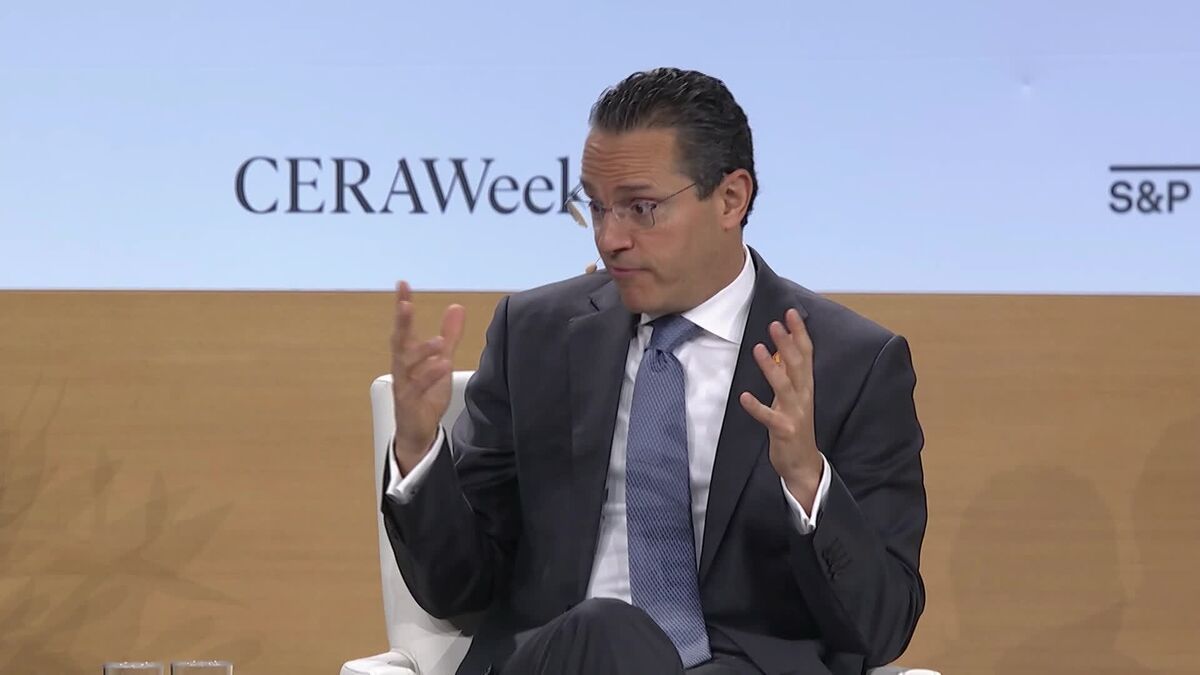
Houston, Texas – Shell PLC is weighing significant investments in Venezuela’s natural gas sector, with CEO Wael Sawan revealing the energy giant could finalize decisions on one or two major projects by year-end. The announcement, made during a high-profile panel at CERA Week in Houston, signals a potential turning point for Venezuela’s sanctions-battered energy industry and reflects growing global competition for reliable gas supplies amid geopolitical instability.
A Strategic Shift in Venezuela’s Energy Landscape
The potential investments, if approved, would mark Shell’s most substantial commitment to Venezuela since the U.S. imposed crushing sanctions on the country’s oil sector in 2019. While Sawan did not disclose specific project details, industry analysts suggest Shell is likely evaluating offshore gas fields in the Perla complex (Latin America’s largest natural gas reserve) and onshore assets in eastern Venezuela’s prolific Orinoco Belt.
“Venezuela holds immense untapped potential, particularly in natural gas,” said Sawan during the energy conference. “As we balance energy security with the transition, these resources could play a critical role in meeting regional and global demand.” His comments come just months after the U.S. temporarily eased some oil sanctions on Venezuela, a move that sparked cautious optimism among foreign investors.
Why Venezuela? Why Now?
Several converging factors make Venezuela an increasingly attractive prospect for Shell:
- Global Gas Shortages: Europe’s pivot from Russian gas and rising Asian demand have intensified competition for LNG supplies. Venezuela’s proximity to key markets gives it a logistical edge.
- Sanctions Relief: The Biden administration’s six-month sanctions waiver (October 2023-April 2024) for Venezuela’s oil and gas sector, contingent on democratic reforms, created a narrow window for negotiations.
- Resource Scale: Venezuela boasts the world’s eighth-largest proven gas reserves (201 TCF), per the BP Statistical Review, but chronic underinvestment has left production at just 2.7 billion cubic feet/day—a fraction of its capacity.
However, risks abound. “Venezuela remains a high-stakes bet,” warned Raúl Gallegos, Associate Director at Control Risks. “Operational challenges, political uncertainty, and the possibility of sanctions snapping back require meticulous risk assessment.”
Shell’s Calculated Approach
Shell’s deliberations reflect its broader strategy to prioritize gas as a “bridge fuel” during the energy transition. The company, which exited Russia after its Ukraine invasion, has been selectively expanding its gas portfolio, including a recent $1.6 billion investment in Australian LNG.
Notably, Shell maintained a minimal presence in Venezuela during the sanctions era through a joint venture (Cardón IV) with state-run PDVSA. This existing foothold could streamline new investments. “They’ve kept the lights on while competitors left,” noted energy analyst Luisa Palacios. “That institutional knowledge is invaluable.”
Geopolitical Tightrope
The Biden administration has sent mixed signals on Venezuela. While temporarily easing sanctions, it reinstated some restrictions in January 2024 after Venezuela’s Supreme Court upheld a ban on opposition leader María Corina Machado’s presidential candidacy.
“Shell must navigate not just commercial risks but also real-time diplomacy,” said former U.S. State Department official David Goldwyn. “The U.S. wants alternatives to Russian gas but won’t tolerate actions that bolster Maduro’s government unconditionally.”
Regional Implications
A Shell investment could catalyze Venezuela’s gas sector revival. Neighboring Colombia and Trinidad & Tobago—both facing declining reserves—have expressed interest in joint ventures. Trinidad’s Atlantic LNG facility, running below capacity due to feedstock shortages, is a likely export route for Venezuelan gas.
Environmental concerns persist, however. Flaring remains rampant in Venezuela, and new projects would face scrutiny over methane emissions. Shell has pledged to achieve net-zero by 2050, adding pressure to implement cleaner technologies.
The Road Ahead
Shell’s final decision will hinge on three factors:
- Sanctions Clarity: Will the U.S. extend or expand sanctions relief post-April 2024?
- Fiscal Terms: Can Venezuela offer competitive profit-sharing agreements amid its economic crisis?
- Stability: Will the 2024 elections (if held) reduce political volatility?
For Venezuela, the stakes are existential. Oil output has plummeted from 3 million bpd in the 1990s to under 800,000 bpd today. Gas could offer a lifeline—if global players like Shell are willing to take the leap.
As the energy world watches, one truth is evident: in an era of upheaval, even the most challenging frontiers are back in play. Whether Venezuela can seize this moment remains the billion-dollar question.
