



Federal Reserve Grapples with Dual Challenges of Inflation and Labor Market Weakness Amid Economic Uncertainty
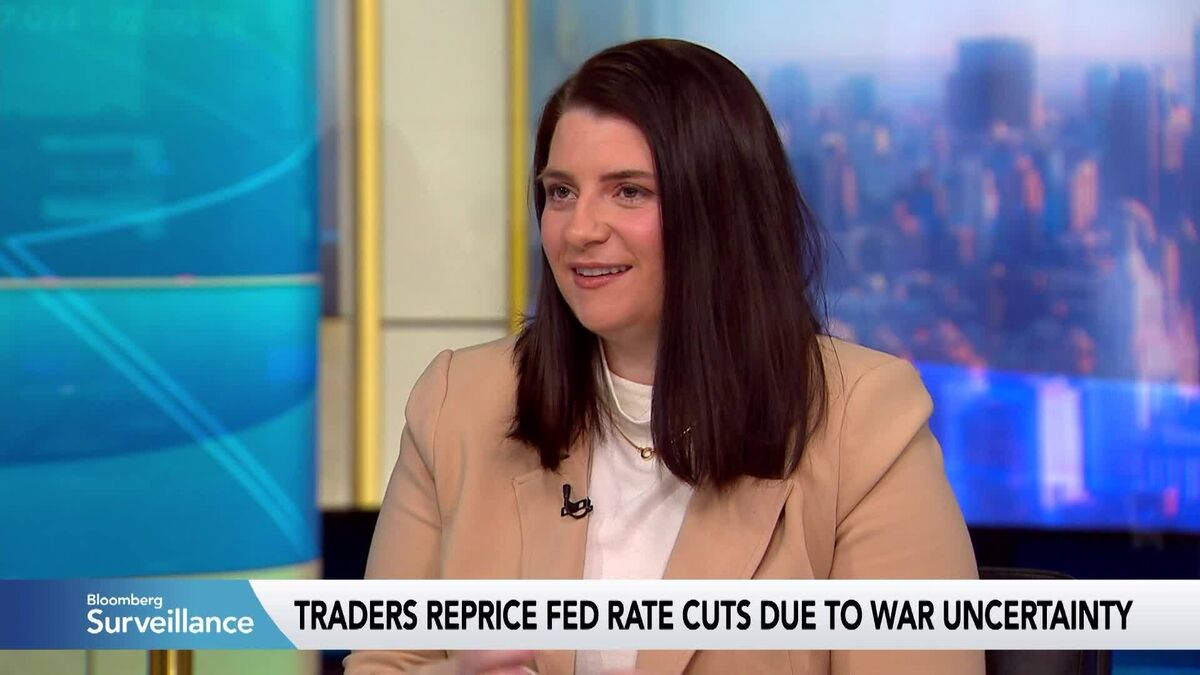
As the Federal Reserve navigates one of the most complex economic landscapes in recent history, policymakers are finding themselves caught between the dual pressures of stubborn inflation and persistent labor market weakness. UBS US Economist Abigail Watt has drawn attention to the delicate balancing act the central bank must perform, warning that the current environment poses significant challenges for achieving macroeconomic stability. Her insights come at a pivotal moment, as the Fed’s decisions in the coming months could shape the trajectory of the US economy—and by extension, the global financial system.
The Federal Reserve’s primary mandate revolves around maintaining price stability and maximizing employment. However, recent data suggests that these two goals are increasingly at odds. Inflation, which surged to multi-decade highs in the aftermath of the COVID-19 pandemic, has proven more persistent than expected. Despite aggressive rate hikes over the past two years, price growth remains above the Fed’s 2% target, fueled by factors such as elevated housing costs, geopolitical tensions, and supply chain disruptions.
At the same time, signs of weakness in the labor market are beginning to emerge, raising concerns about the sustainability of the economic recovery. Job growth has slowed in recent months, and unemployment rates have crept upward, while wage growth—once a driver of consumer spending—has shown signs of moderation. This divergence between inflationary pressures and labor market fragility has left the Fed in a difficult position, as further rate hikes risk exacerbating unemployment, while pausing or cutting rates could reignite inflationary pressures.
A Historical Context
The Federal Reserve’s current predicament is reminiscent of the stagflationary period of the 1970s, when high inflation coincided with stagnant economic growth and rising unemployment. While today’s situation is far from identical, the parallels have not gone unnoticed by economists and policymakers. During that era, the Fed under Chairman Paul Volcker implemented drastic measures to combat inflation, including raising interest rates to unprecedented levels. While these actions ultimately succeeded in taming inflation, they also led to a severe recession and a sharp rise in unemployment.
Today’s Fed, led by Chair Jerome Powell, faces a similar dilemma but operates in a vastly different economic and geopolitical environment. The global economy is more interconnected than ever, and financial markets are highly sensitive to shifts in monetary policy. Moreover, the scars of the pandemic continue to linger, with supply chains still recovering from disruptions and consumer behavior evolving in unpredictable ways.
The Inflation Conundrum
Inflation remains the Fed’s most pressing concern, despite significant progress over the past year. After peaking at 9.1% in June 2022, the Consumer Price Index (CPI) has cooled but remains stuck above 3%, well above the central bank’s comfort zone. Core inflation, which excludes volatile food and energy prices, has also proven sticky, driven largely by persistent increases in housing costs and services such as healthcare and education.
Federal Reserve officials have repeatedly emphasized their commitment to bringing inflation back to target, but the path forward is fraught with uncertainty. Some economists argue that the full impact of previous rate hikes has yet to be felt, suggesting that inflation could continue to ease organically. Others, however, warn that underlying inflationary pressures—such as rising wages and continued strength in the services sector—could keep price growth elevated for longer than anticipated.
Labor Market Weakness Clouds the Horizon
While inflation remains a thorny issue, the labor market’s weakening momentum presents an equally pressing challenge. The US economy added just 187,000 jobs in July, down from the robust gains seen earlier in the recovery. The unemployment rate, meanwhile, has risen to 3.8%, its highest level in over a year. While still historically low, this uptick has sparked concerns that the labor market may be losing steam.
Job openings have also declined sharply, falling from a record high of 12 million in March 2022 to 8.8 million in July 2023. This slowdown in hiring reflects broader economic uncertainties, as businesses grapple with higher borrowing costs and weaker consumer demand. Wage growth, which surged during the pandemic as employers competed for scarce workers, has also moderated, further dampening household purchasing power.
The Fed’s Dilemma
Against this backdrop, the Federal Reserve faces a difficult decision at its upcoming policy meetings. With inflation still above target, further rate hikes cannot be ruled out. Indeed, some policymakers have signaled their willingness to tighten monetary policy further if necessary. However, with the labor market showing signs of strain, there is growing concern that additional rate increases could tip the economy into recession.
Economists like Abigail Watt argue that the Fed must tread carefully, balancing its inflation-fighting mandate with the need to support employment growth. “The Fed is walking a tightrope,” Watt notes. “Missteps on either side could have far-reaching consequences for the economy.”
Global Implications
The Fed’s policy decisions carry significant implications not just for the US but for the global economy as well. Emerging markets, in particular, are vulnerable to shifts in US monetary policy, as higher interest rates can trigger capital outflows and currency depreciation. Meanwhile, major economies such as the Eurozone and China face their own challenges, ranging from sluggish growth to deflationary pressures, complicating the global economic outlook.
As the Federal Reserve prepares for its next moves, all eyes will be on Chair Powell and his colleagues to see how they navigate this complex and volatile environment. With inflation and labor market weakness pulling in opposite directions, the central bank’s decisions will undoubtedly shape the course of the global economy in the months and years ahead.
Conclusion
The Federal Reserve’s current predicament underscores the profound challenges of managing monetary policy in an uncertain and rapidly evolving economic landscape. With inflation stubbornly high and the labor market showing signs of weakness, the central bank faces a delicate balancing act that will require both resolve and flexibility. As Abigail Watt aptly observes, the stakes are high, and the path forward is fraught with risks. The world will be watching closely as the Fed charts its course, hoping for stability in an era of unprecedented complexity.
