


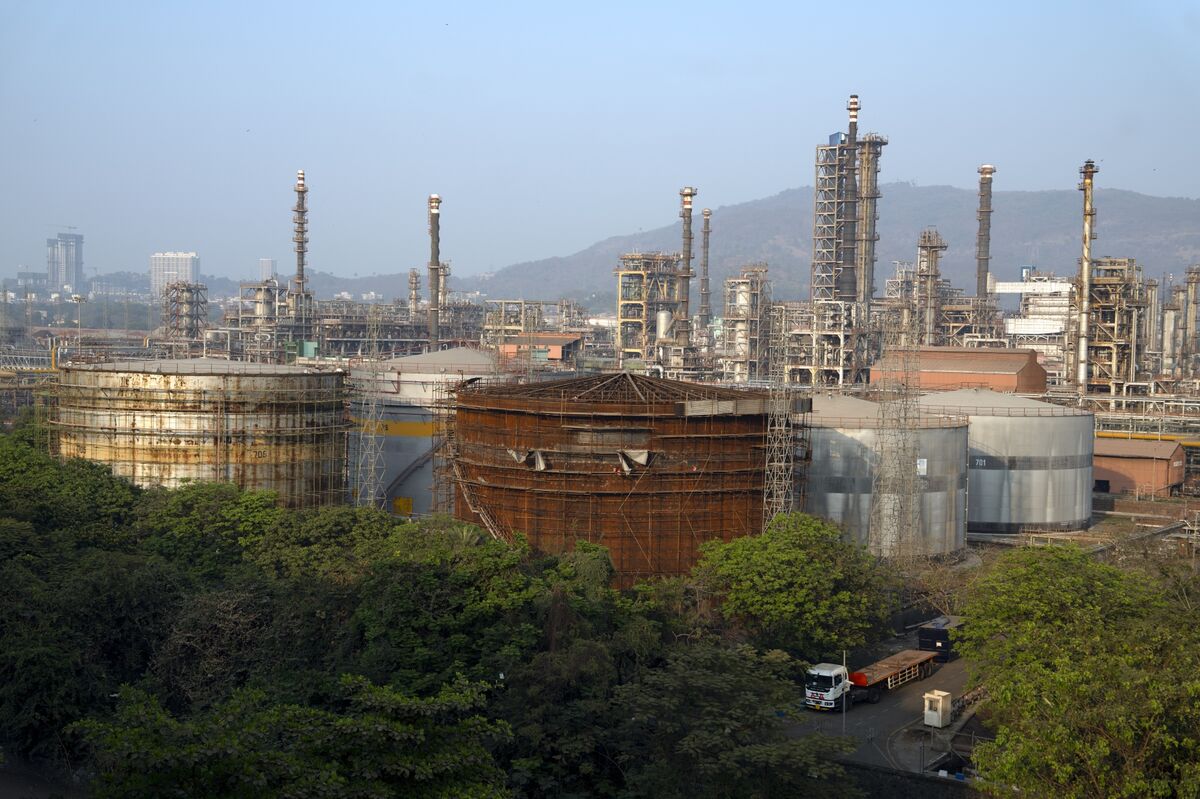

Indian Refiners Strike Major Deal for Russian Oil Amid Middle East Volatility
October 2023
Amid escalating tensions in the Middle East and growing global energy uncertainty, Indian refiners have secured a significant deal to purchase approximately 60 million barrels of Russian crude oil for November delivery, according to sources familiar with the matter. This move highlights India’s strategic pivot to diversify its energy sources and stabilize domestic fuel supplies as the conflict between Israel and Hamas disrupts traditional oil flows from the region. The deal also underscores Russia’s growing reliance on Asian markets, particularly India and China, to offset the impact of Western sanctions imposed since its invasion of Ukraine in February 2022.
The Middle East, home to some of the world’s largest oil producers, accounts for a substantial portion of global crude supplies. However, the recent outbreak of violence between Israel and Hamas has stoked fears of prolonged instability, threatening the steady flow of oil from the region. For India, the world’s third-largest oil importer, ensuring uninterrupted energy supplies is critical to sustaining its rapidly growing economy. With its reliance on Middle Eastern oil historically high, the country has increasingly turned to Russia as a dependable alternative, particularly as Moscow offers discounted rates to attract buyers outside the Western bloc.
A Historic Shift Toward Russian Oil
India’s deepening energy ties with Russia mark a dramatic shift from pre-2022 dynamics, when Russian oil accounted for less than 2% of India’s total imports. Since Western sanctions effectively barred Russian crude from European markets, Moscow has redirected its focus toward Asia. India, in particular, has emerged as a key beneficiary, capitalizing on discounted prices to bolster its strategic reserves and reduce import costs.
Industry analysts estimate that Russian oil now constitutes nearly 40% of India’s total crude imports, up from negligible levels just two years ago. This surge has been facilitated by the flexibility of Indian refiners, who have embraced alternative payment mechanisms and shipping routes to circumvent logistical challenges posed by sanctions. The latest deal, amounting to roughly 60 million barrels, further cements Russia’s position as India’s top oil supplier, surpassing traditional heavyweights like Saudi Arabia and Iraq.
Navigating Geopolitical Complexities
India’s growing reliance on Russian oil has not been without controversy. As a prominent member of the BRICS bloc and a key player in global diplomacy, India has walked a fine line between maintaining its strategic autonomy and addressing concerns from Western allies. While Western nations have largely avoided direct criticism of India’s energy purchases, the issue has occasionally strained diplomatic relations.
For India, however, the economic rationale outweighs geopolitical pressures. The country’s fuel demand continues to rise, driven by urbanisation, industrial growth, and a burgeoning middle class. Securing affordable energy supplies is crucial to sustaining this momentum, particularly as global oil prices remain volatile. The discounted Russian crude has not only helped India manage inflation but also strengthened its position as a regional economic powerhouse.
Middle East Turmoil Drives Urgency
The latest deal comes at a critical juncture, as the escalating Israel-Hamas conflict threatens to destabilise the broader Middle East region. While the immediate impact on oil production has been limited, the potential for prolonged unrest has raised concerns about supply disruptions. Oil prices have already surged in response to the crisis, with Brent crude briefly crossing the $90 per barrel mark.
India’s decision to secure Russian oil for November delivery reflects a proactive approach to mitigating these risks. By locking in supplies from Russia, Indian refiners aim to insulate the domestic market from potential price spikes and shortages. The move also aligns with India’s broader strategy of diversifying its energy portfolio, reducing dependence on any single region or supplier.
Implications for Global Energy Markets
India’s pivot toward Russian oil has broader implications for the global energy landscape. As Western sanctions continue to reshape trade flows, Asian markets are increasingly becoming the dominant destination for Russian crude. China, the world’s largest oil importer, has also ramped up its purchases, further consolidating Moscow’s economic ties with Beijing and New Delhi.
This realignment has significant geopolitical ramifications, as it strengthens Russia’s position vis-à-vis the West and fosters closer cooperation among BRICS nations. For global oil markets, the shift underscores the growing fragmentation of trade routes and the diminishing influence of traditional Western-dominated frameworks like the International Energy Agency (IEA).
Balancing Act Ahead
As India prepares to receive its latest shipment of Russian oil, the deal highlights the complex interplay between economics, geopolitics, and energy security. For Indian policymakers, the challenge lies in balancing the immediate benefits of discounted crude with the long-term implications of deepening ties with Russia.
Meanwhile, global observers are closely watching how this evolving dynamic will impact efforts to curb Russia’s oil revenues, a key objective of Western sanctions. While India’s purchases provide Moscow with a lifeline, they also underscore the limitations of a sanctions-driven strategy in an increasingly multipolar world.
As the Middle East crisis continues to unfold, India’s ability to navigate these competing pressures will be closely scrutinized. For now, however, the deal represents a pragmatic response to a volatile global landscape, ensuring that India’s energy needs remain met even as geopolitical tensions rise.
In the coming months, the trajectory of oil prices and supply chains will depend largely on the duration and intensity of the Israel-Hamas conflict. For India, the focus remains on safeguarding its energy security while maintaining its strategic autonomy on the global stage. The world watches as this balancing act unfolds.
