



Global Investors Maintain Calm Amid Middle East Tensions, UBS Reports
Markets Show Resilience as Geopolitical Risks Fail to Trigger Widespread Panic
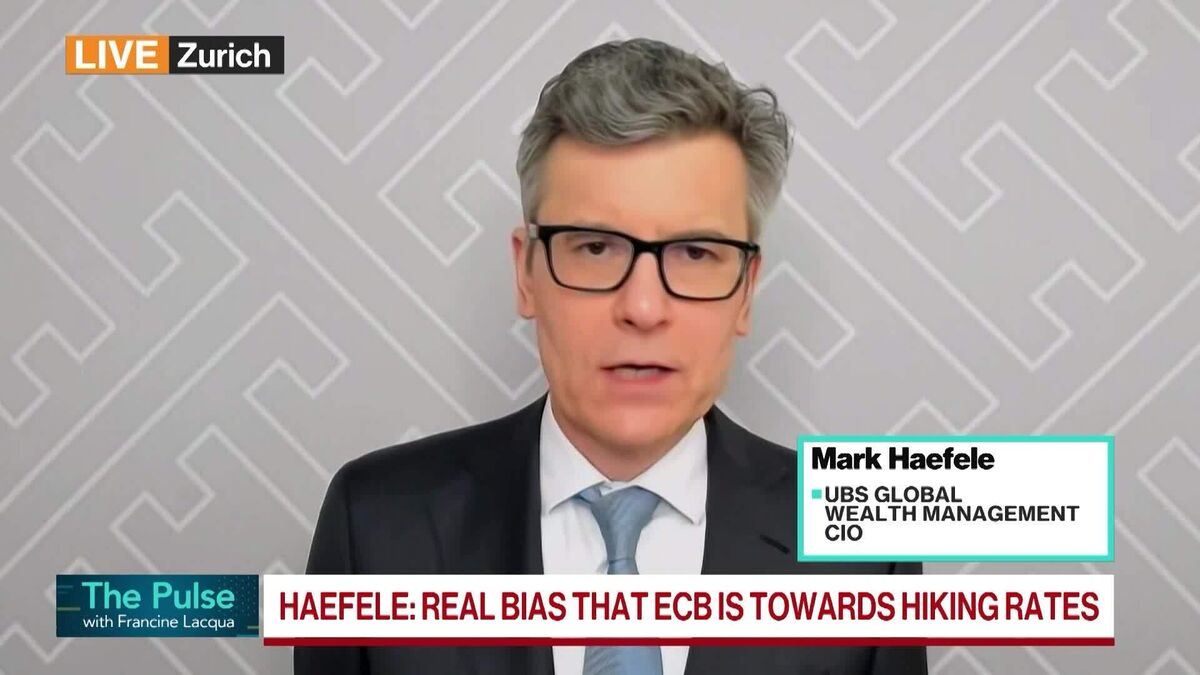
Despite escalating tensions in the Middle East following Iran’s recent missile and drone attacks on Israel, global investors have remained surprisingly composed, according to UBS Global Wealth Management. Mark Haefele, Chief Investment Officer at UBS, told Bloomberg Television that clients have adopted a “moderate” stance, with no significant shifts toward cash or defensive assets. His remarks suggest that, at least for now, markets are weathering the geopolitical storm without the panic seen in previous crises.
The measured response stands in contrast to historical patterns, where sudden escalations in Middle East conflicts have often triggered sharp sell-offs in equities and a flight to safety. However, Haefele noted that UBS’s clients have not rushed to liquidate positions or hoard cash, indicating cautious optimism that the situation may not spiral into a broader regional war.
A Calm Amid the Storm
The muted reaction from investors comes despite Iran’s unprecedented direct strike on Israeli soil, which marked a significant escalation in the long-running shadow war between the two nations. Analysts had initially feared that the attack—launched in retaliation for an alleged Israeli strike on an Iranian consulate in Syria—could provoke a cycle of retaliation, destabilizing global markets.
Yet, Haefele’s observations suggest that institutional and high-net-worth investors are taking a wait-and-see approach. “We’re not seeing elevated cash levels. We’re not seeing any panic at all yet,” he said, emphasizing that clients remain engaged in diversified portfolios rather than retreating to traditional safe havens like gold or government bonds.
Why Markets Are Holding Steady
Several factors may explain the relative calm:
-
Contained Conflict (So Far): While Iran’s attack was dramatic, Israel’s sophisticated air defenses intercepted most projectiles, limiting damage. The lack of immediate Israeli retaliation has also eased fears of an uncontrolled escalation.
-
Energy Markets Remain Stable: Oil prices saw only a brief spike before retreating, as traders bet against major disruptions to supply. Unlike past Middle East crises, Iran has not threatened to block the Strait of Hormuz—a critical chokepoint for global oil shipments.
-
Central Bank Policies Still Dominate: With inflation still above target in major economies, investors remain more focused on interest rate trajectories than geopolitical shocks. The Federal Reserve’s next moves, rather than Middle East headlines, continue to drive asset allocation.
-
Experience from Past Crises: Markets have grown accustomed to geopolitical flare-ups—whether Russia-Ukraine tensions or Houthi attacks on Red Sea shipping—often absorbing initial shocks before stabilizing.
Potential Risks Ahead
Despite the current stability, Haefele and other analysts warn that the situation remains fragile. If Israel retaliates forcefully, triggering a cycle of strikes and counterstrikes, investor sentiment could shift abruptly. Key risks include:
- Oil Supply Disruptions: Any direct threat to Persian Gulf exports could send crude prices soaring, reigniting inflation fears.
- Broader Regional Conflict: Involvement from Hezbollah or other Iranian proxies could destabilize Lebanon, Syria, or Yemen, further complicating the outlook.
- Policy Uncertainty: Prolonged instability might force central banks to delay rate cuts, tightening financial conditions.
Historical Context: How Markets React to Geopolitical Shocks
Historically, markets tend to overreact initially to geopolitical crises before stabilizing. The 1990 Gulf War, the 9/11 attacks, and Russia’s 2022 invasion of Ukraine all triggered sharp sell-offs, only for equities to recover within months.
However, each crisis is unique. Unlike Ukraine, which directly threatened European energy security, the Iran-Israel conflict—unless it spreads—may have limited global economic spillover. This could explain why investors are hesitating to make drastic moves.
What Are Wealth Managers Advising?
UBS’s stance reflects a broader trend among wealth managers: staying invested but vigilant. Recommendations include:
- Diversification: Balancing equities with defensive assets like high-quality bonds.
- Selective Hedging: Using gold or options to mitigate downside risks without exiting positions.
- Focus on Quality: Favoring companies with strong balance sheets and global revenue streams less vulnerable to regional instability.
Conclusion: A Delicate Balance
For now, the markets’ subdued reaction suggests confidence that policymakers will prevent a wider war. Yet, as Haefele’s comments underscore, complacency would be unwise. The coming days will test whether this measured optimism is justified—or whether investors are underestimating the risks of a rapidly evolving conflict.
As one of the world’s largest wealth managers, UBS’s insights offer a barometer of institutional sentiment. Their message is clear: caution, not panic, prevails—but the situation remains on a knife’s edge.
