



Hong Kong Officials Urge Family Offices to Champion Social Impact at Bloomberg Summit
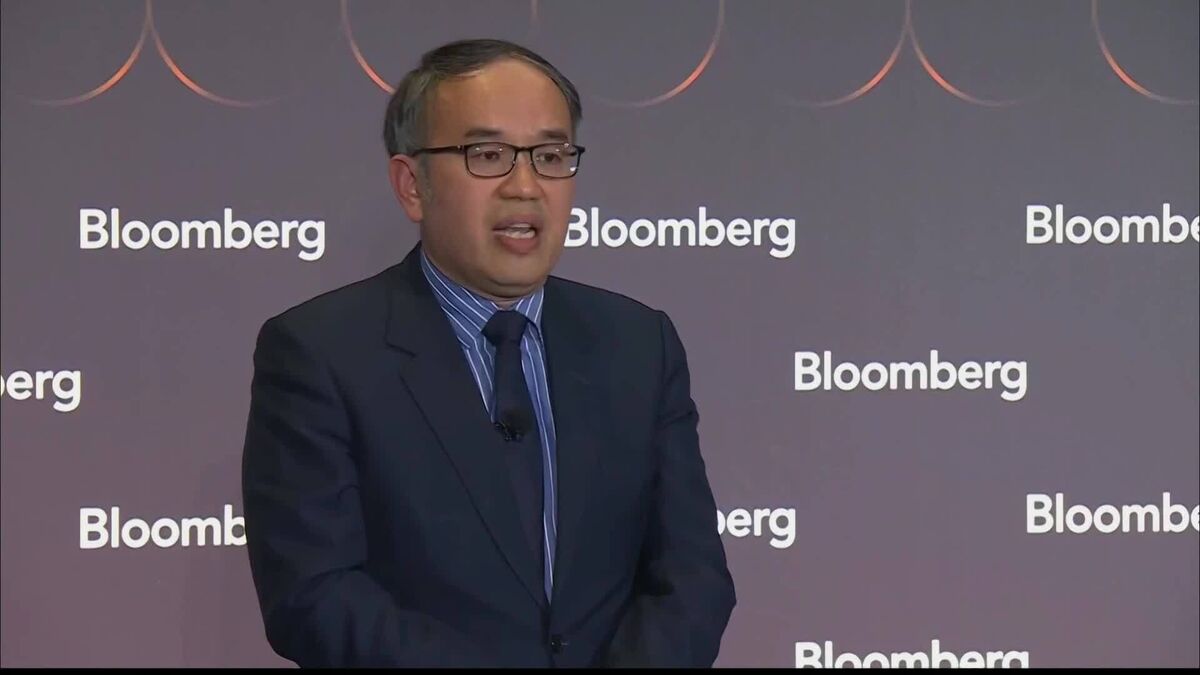
Hong Kong, November 2026 — At the prestigious Bloomberg Family Office Summit 2026, Hong Kong’s Financial Services Secretary Christopher Hui delivered a compelling call to action, urging ultra-high-net-worth families to leverage their wealth for broader societal good. Speaking before an audience of global investors, policymakers, and financial leaders, Hui emphasized that aligning private capital with public welfare isn’t just ethical—it’s essential for sustainable economic growth in an era of rising inequality and climate crises.
The Case for Purpose-Driven Wealth
The summit, held against the backdrop of Hong Kong’s aggressive push to become Asia’s premier hub for family offices, spotlighted a growing trend: the next generation of wealth holders are increasingly prioritizing social impact alongside financial returns. Hui’s address tapped into this shift, framing it as both a moral imperative and a strategic advantage.
“Wealth preservation is no longer just about multiplying assets—it’s about multiplying positive influence,” Hui asserted. “Family offices have the capital, the agility, and the long-term vision to drive transformative projects, from green energy to inclusive education.”
His remarks come as Hong Kong intensifies efforts to attract family offices, offering tax incentives and streamlined regulatory frameworks. Over 200 single-family offices have set up in the city since 2024, drawn by its financial infrastructure and gateway status to mainland China. Yet Hui’s message underscored a deeper ambition: positioning Hong Kong as a nexus for philanthropic capital that bridges profit and purpose.
Global Context: The Rise of Impact Investing
The appeal of socially responsible investing isn’t unique to Hong Kong. Globally, impact investing has surged past $1 trillion in assets under management, according to the Global Impact Investing Network (GIIN). Millennial and Gen Z heirs—set to inherit over $68 trillion in the coming decades—are pushing family offices toward ESG (environmental, social, governance) mandates.
Examples abound: The Rockefeller Foundation’s focus on climate resilience, Singapore’s Temasek funding decarbonization startups, and European families backing affordable housing initiatives. Hui positioned Hong Kong as poised to lead this movement in Asia, citing its unique blend of free-market dynamism and proximity to China’s vast developmental needs.
“The Greater Bay Area alone offers unparalleled opportunities—imagine deploying capital to scale renewable energy or healthcare innovation across 86 million people,” he said.
Challenges and Skepticism
Despite the optimism, hurdles remain. Critics argue that many family offices still prioritize discretion over transparency, with philanthropic pledges often lacking measurable outcomes. Others question whether Hong Kong’s political environment—marked by Beijing’s tightening grip—could deter some investors.
Hui acknowledged these concerns but remained bullish. “Trust is built through action,” he countered, pointing to Hong Kong’s robust legal system and the success of initiatives like the Hong Kong Academy for Wealth Legacy, which trains next-gen heirs in stewardship.
The Road Ahead
The summit closed with a clear takeaway: The future of family offices lies in their ability to balance wealth creation with societal value. For Hong Kong, the challenge is twofold—to retain its competitive edge as a financial hub while fostering a culture where capital serves the greater good.
As Hui put it: “Prosperity shouldn’t be a closed loop. It’s a ripple effect.” Whether the world’s wealthiest families heed that call may well define the next chapter of global finance.
