


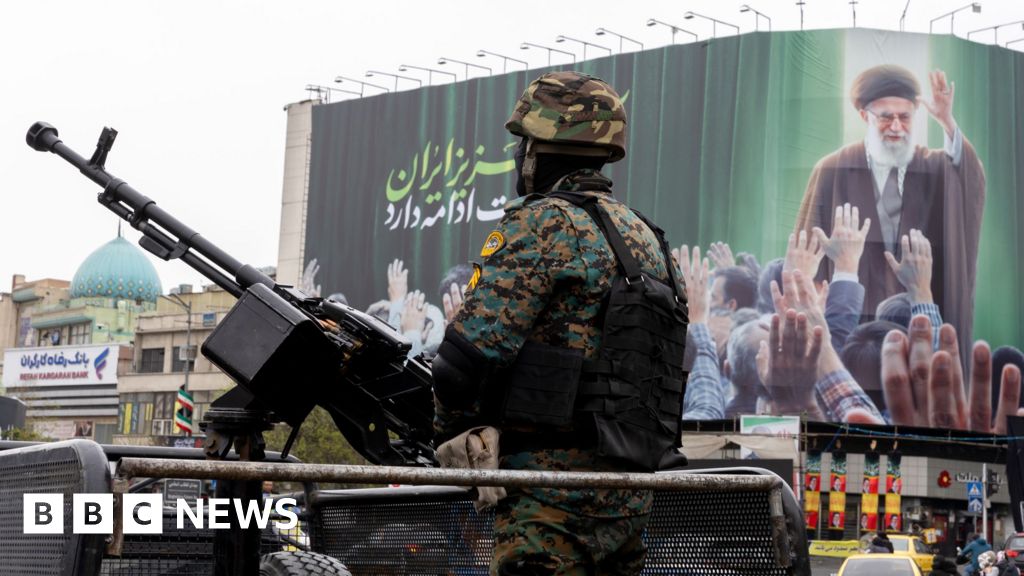

Tehran Residents Caught in the Crossfire as Global Tensions Escalate
Introduction: A City on Edge
Tehran, Iran’s bustling capital, has become a focal point of geopolitical strife as residents find themselves trapped in a perilous tug-of-war between external military pressures and internal authoritarian crackdowns. In recent days, the city has been rattled by reports of U.S. and Israeli airstrikes targeting Iranian military infrastructure, while the Iranian regime intensifies efforts to tighten its grip on dissent. This dual-front crisis underscores the escalating tensions in the Middle East and raises alarms about the potential for broader regional conflict. For Tehran’s population, the situation is not just a geopolitical chess game—it’s a daily struggle for survival and stability.
The Global Context: A Volatile Region and Rising Tensions
The Middle East has long been a hotspot for international conflict, with Iran at the center of many disputes. The country’s nuclear program, its support for proxy groups across the region, and its adversarial relationship with the U.S. and Israel have made it a target of economic sanctions, cyberattacks, and military operations. Recent months have seen a significant uptick in hostilities, particularly after Iran-backed militias launched attacks on U.S. bases in Iraq and Syria. Meanwhile, Israel has repeatedly targeted Iranian assets in Syria, citing concerns over Tehran’s growing influence in the region.
The U.S. and Israel, staunch allies, have coordinated efforts to curb Iran’s nuclear ambitions and military reach. These actions, however, have often resulted in civilian casualties and humanitarian crises, further destabilizing an already volatile region. The latest strikes on Iranian soil have not only heightened tensions but also raised fears of a full-blown war, with global implications for energy security, regional alliances, and international diplomacy.
The Human Toll: Tehran Residents Speak Out
Amid this turmoil, Tehran’s civilians bear the brunt of the crisis. In interviews with the BBC, residents described a city gripped by fear and uncertainty. “We’re caught between two fires,” said one resident, who asked to remain anonymous. “On one side, there’s the threat of foreign bombs. On the other, our own government is cracking down harder than ever.”
The Iranian regime, facing mounting domestic discontent over economic hardships and political repression, has stepped up efforts to silence dissent. Protests, which have flared sporadically over the past year, are met with brutal force, including arrests, internet shutdowns, and violent crackdowns. Many residents feel they have nowhere to turn—trapped between external military aggression and internal oppression.
“It’s like we’re living in a pressure cooker,” said another Tehran resident. “Every day brings new fears—whether it’s the sound of an explosion or the sight of security forces patrolling the streets.”
Why This Matters: Global Implications
The escalating crisis in Tehran is not just a local or regional issue—it has profound global implications. First, Iran’s nuclear program remains a flashpoint in international relations. A fully realized Iranian nuclear capability could trigger an arms race in the Middle East, with Saudi Arabia, Turkey, and other nations seeking their own nuclear programs. This would dramatically alter the global security landscape and increase the risk of nuclear proliferation.
Second, Iran’s role as a key player in the global oil market makes its stability crucial for international energy security. Any major conflict involving Iran could disrupt oil supplies, leading to skyrocketing prices and economic instability worldwide.
Third, the humanitarian impact of this crisis cannot be ignored. Millions of Iranians are already suffering under the weight of economic sanctions and political repression. Further escalation could exacerbate their plight, leading to a refugee crisis and straining neighboring countries’ resources.
Finally, the U.S. and Israel’s actions in Iran have broader implications for international law and norms. Targeted airstrikes, while effective in disrupting military operations, often result in civilian casualties and raise questions about the ethics of such interventions.
Looking Ahead: A Precarious Future
The situation in Tehran is emblematic of the broader challenges facing the Middle East—a region plagued by interlocking conflicts, geopolitical rivalries, and humanitarian crises. As tensions between Iran and its adversaries continue to escalate, the risk of a full-blown war looms larger than ever.
Diplomatic efforts to ease tensions have so far yielded little progress. The 2015 nuclear deal, which aimed to curb Iran’s nuclear program in exchange for sanctions relief, has been effectively abandoned by the U.S., leaving Iran free to ramp up its uranium enrichment activities. Efforts to revive the deal have stalled, leaving the international community with few options to de-escalate the situation.
Conclusion: A Call for Caution
The escalating crisis in Tehran serves as a stark reminder of the fragility of global peace and security. For the city’s residents, the stakes are immediate and personal—survival in the face of external bombardment and internal repression. For the international community, the stakes are equally high—preventing a regional war that could have catastrophic global consequences.
As the world watches tensions rise in the Middle East, there is an urgent need for diplomatic dialogue and de-escalation. The alternative—a spiraling conflict with far-reaching repercussions—is too grim to contemplate. In Tehran, as elsewhere, the true cost of war is measured not in geopolitics but in human lives.
