


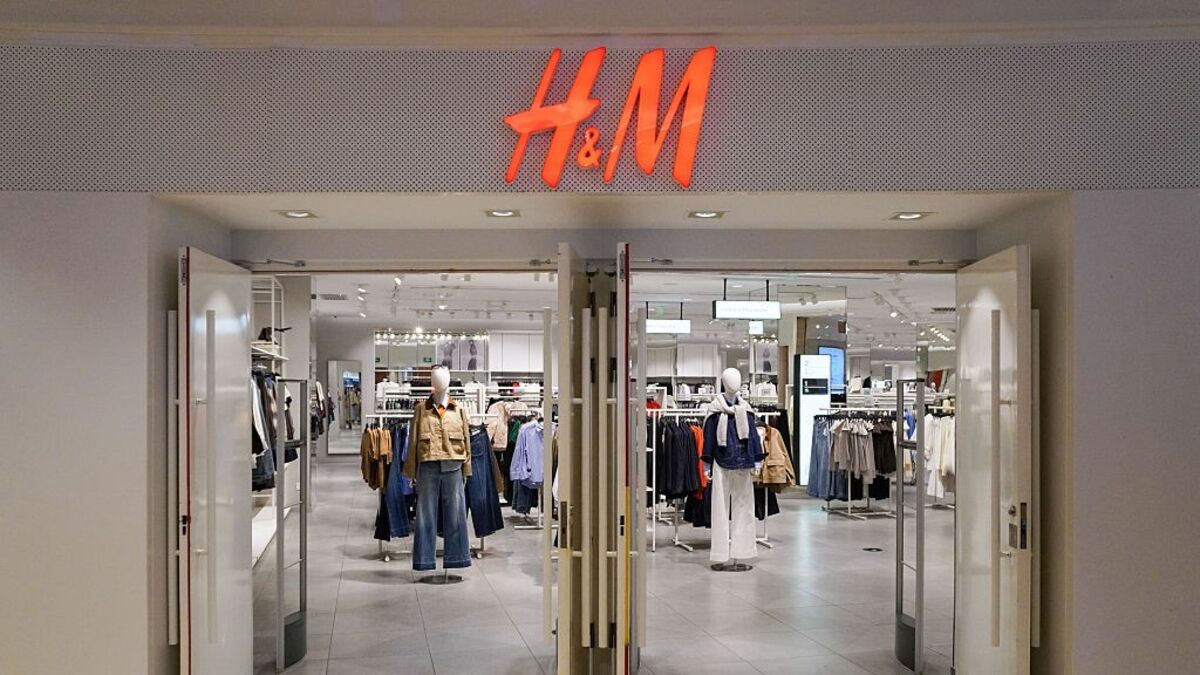

H&M’s First-Quarter Sales Disappoint Amid Weak Consumer Demand and Currency Headwinds
In a stark reminder of the challenges facing the global retail sector, Swedish fast-fashion giant H&M reported first-quarter sales that fell short of market expectations. The company attributed the underperformance to a combination of sluggish consumer spending and significant adverse currency effects, raising concerns about its ability to navigate an increasingly complex economic landscape. The news underscores the growing pressures on retailers as they grapple with shifting consumer habits, inflationary pressures, and volatile foreign exchange markets.
H&M, once a dominant force in the fast-fashion industry, has found itself under mounting pressure in recent years as competitors like Zara owner Inditex and online disruptors like Shein have gained ground. The company’s latest financial results, while not catastrophic, highlight the uphill battle it faces in maintaining its relevance and profitability in a rapidly evolving market.
Weak Consumer Demand and Currency Woes
The first-quarter figures revealed that H&M’s sales grew by a modest 3% year-on-year, falling significantly short of analysts’ forecasts. While the company managed to eke out some growth, the pace was far from robust, reflecting broader trends of tepid consumer confidence and reduced discretionary spending. Rising inflation and economic uncertainty have forced many consumers to tighten their belts, particularly in key markets such as Europe and North America, where H&M derives a substantial portion of its revenue.
Compounding the problem were adverse currency effects, which H&M cited as a major drag on its performance. The Swedish krona’s volatility against major currencies, including the US dollar and the euro, eroded the company’s earnings when translated back into its reporting currency. This foreign exchange challenge is not unique to H&M, but it underscores the sensitivity of global retailers to currency fluctuations, particularly those with extensive international operations.
Competition Intensifies as Fast-Fashion Landscape Evolves
H&M’s struggles come at a time when the fast-fashion industry is undergoing seismic shifts. The rise of ultra-fast fashion brands like Shein, which leverages agile supply chains and social media-driven marketing, has disrupted the traditional retail playbook. Shein’s ability to churn out trendy items at rock-bottom prices has resonated with younger consumers, leaving established players like H&M scrambling to keep pace.
Meanwhile, Inditex, the parent company of Zara, has continued to outperform H&M by focusing on higher-quality offerings, efficient inventory management, and a seamless integration of online and offline channels. Inditex’s recent financial results have shown resilience in the face of economic headwinds, further underscoring H&M’s relative struggles.
H&M’s Strategic Shifts and Challenges Ahead
In response to these challenges, H&M has embarked on a series of strategic initiatives aimed at revitalizing its business. The company has accelerated its efforts to streamline its physical store footprint, closing underperforming locations and investing more heavily in its e-commerce capabilities. The COVID-19 pandemic served as a catalyst for this shift, as lockdowns and changing consumer preferences prompted a surge in online shopping.
H&M has also sought to position itself as a leader in sustainable fashion, launching initiatives such as its Conscious Collection and pledging to achieve net-zero emissions by 2040. While these efforts have garnered praise from environmentally conscious consumers, critics argue that the company must do more to address the fast-fashion industry’s broader environmental impact, including waste and overproduction.
Another significant challenge for H&M is managing its inventory levels effectively. Excess inventory has been a persistent issue for the company, leading to steep markdowns that erode profit margins. Analysts have urged H&M to adopt more sophisticated demand forecasting and supply chain management practices to mitigate this problem.
Broader Economic Context
H&M’s first-quarter woes are emblematic of the broader challenges facing the retail sector. Rising interest rates aimed at curbing inflation have dampened consumer spending, particularly on non-essential items like clothing. At the same time, retailers are grappling with higher costs for labor, transportation, and raw materials, squeezing their margins even further.
The global economic slowdown has also hit emerging markets, which are critical growth drivers for many retailers. Countries like India and China, once seen as engines of retail expansion, have experienced uneven recoveries from the pandemic, complicating efforts to achieve sustained growth.
Analyst Perspectives and Market Reaction
Analysts have offered mixed assessments of H&M’s performance and prospects. While some view the first-quarter results as a wake-up call, others believe the company has the potential to recover if it executes its turnaround strategy effectively. Andrea Felsted, a Bloomberg Opinion columnist, noted that H&M’s challenges are not insurmountable but will require decisive action to address structural issues and regain market share.
Investors, however, appeared less optimistic, with H&M’s shares experiencing a decline following the earnings release. The market reaction reflects concerns about the company’s ability to deliver meaningful improvements in profitability and competitiveness in the near term.
Looking Ahead
As H&M charts its course forward, the company faces a delicate balancing act. On one hand, it must address immediate financial pressures and adapt to changing consumer behavior. On the other hand, it must invest in long-term initiatives such as sustainability and digital transformation to secure its future in an increasingly crowded and competitive market.
The road ahead will not be easy, but H&M’s brand legacy and global reach provide a solid foundation for recovery. Whether the company can reinvent itself and reclaim its position as a fast-fashion leader remains to be seen. For now, H&M’s first-quarter stumble serves as a cautionary tale for retailers navigating the turbulent waters of the post-pandemic economy.
In a world where consumer preferences and economic conditions are in constant flux, adaptability and innovation will be the keys to survival. H&M’s journey will undoubtedly be watched closely by industry observers and competitors alike as it seeks to redefine its place in the ever-evolving retail landscape.
