


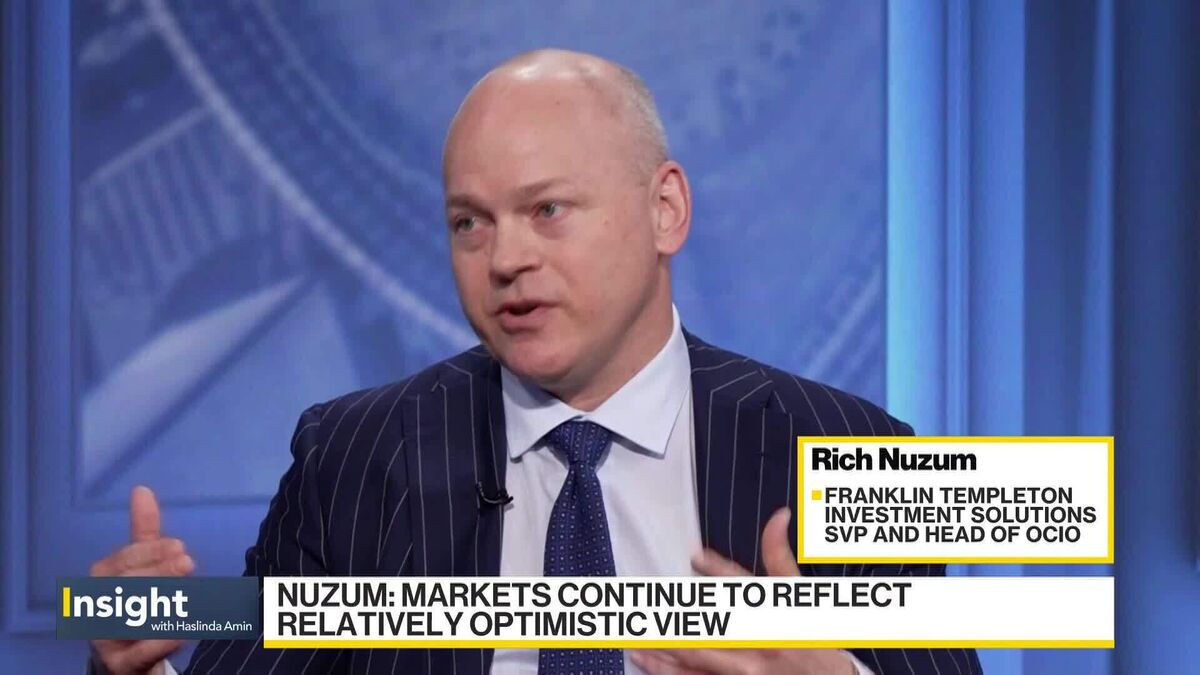

Middle East Conflict Could Fuel Global Inflation Surge, Warns Franklin Templeton Executive
The ongoing conflict in the Middle East threatens to exacerbate global inflationary pressures, a development that financial markets may be underestimating, according to a top executive at Franklin Templeton. Rich Nuzum, the firm’s Executive Vice President and Head of Investment Strategy, has issued a stark warning that the geopolitical instability in the region could have far-reaching economic consequences, particularly in terms of inflation. His remarks come at a time when global economies are still grappling with lingering inflationary effects from the COVID-19 pandemic, supply chain disruptions, and the ripple effects of the Russia-Ukraine war.
“As markets focus on near-term economic data, there’s a risk of overlooking the potential inflationary shockwaves emanating from the Middle East,” Nuzum said in a recent interview. “The volatility in this region could significantly impact energy prices, supply chains, and investor sentiment, creating a perfect storm for inflation.”
The Context: A Fragile Global Economic Recovery
The warning arrives at a critical juncture for the global economy. Central banks worldwide have been striving to tame inflation through aggressive monetary tightening, with mixed success. While headline inflation rates have moderated in many developed economies, underlying inflationary pressures remain persistent, driven by factors such as elevated energy costs, labor market tightness, and structural shifts in global trade.
The Middle East, a cornerstone of the global energy market, has historically been a flashpoint for geopolitical tensions. The region accounts for a significant portion of the world’s oil and gas production, and any disruption to its supply chains can send shockwaves through global markets. Recent escalations in the conflict have already led to increases in oil prices, with Brent crude hovering around $90 per barrel—a level that could strain economies heavily reliant on energy imports.
The Middle East Conflict: A Catalyst for Inflation
The current conflict, which includes tensions between Israel and Palestine, along with broader regional instability, has the potential to disrupt energy production and trade routes. Additionally, the involvement of global powers in the region adds another layer of complexity, raising the specter of prolonged instability.
Nuzum highlighted that energy prices are just one piece of the puzzle. “Beyond oil and gas, the Middle East is a critical hub for global trade. Any disruption to shipping lanes or supply chains could lead to shortages and higher prices for a wide range of goods,” he explained.
The Suez Canal, a vital artery for global commerce, is particularly vulnerable. Any escalation of conflict in nearby areas could threaten the safe passage of goods, forcing ships to take longer, costlier routes. This would not only increase transportation costs but also delay the delivery of goods, further fueling inflationary pressures.
Market Reactions and Missteps
Financial markets, according to Nuzum, have been overly focused on short-term economic indicators such as central bank policy decisions and unemployment data. While these factors are undoubtedly important, they may not fully capture the potential risks posed by geopolitical instability.
“Markets tend to react to immediate shocks but often underestimate the long-term implications of geopolitical events,” Nuzum said. “The Middle East conflict has the potential to trigger a cascading effect on inflation, which could persist for months or even years.”
Historically, geopolitical crises have had a profound impact on global markets. The 1973 oil crisis, triggered by an embargo by Arab oil producers, led to skyrocketing energy prices and stagflation in many developed economies. Similarly, the 1990 Gulf War caused significant volatility in oil markets, with prices doubling in a matter of months.
While the current conflict has yet to reach the scale of these historical events, the underlying risks cannot be ignored. Investors and policymakers must remain vigilant, Nuzum cautioned.
Broader Implications for Global Economies
The potential inflationary effects of the Middle East conflict extend beyond energy prices. Rising costs for transportation and raw materials could squeeze corporate profit margins, leading to higher consumer prices. In turn, this could erode purchasing power and dampen economic growth.
Emerging markets, which are often more vulnerable to external shocks, could face particularly severe challenges. Many of these economies are already grappling with high levels of debt and currency volatility, and a surge in inflation could exacerbate these issues.
For developed economies, the situation could complicate the efforts of central banks to achieve a “soft landing” for inflation. The Federal Reserve, European Central Bank, and other major institutions have signaled a cautious approach to further rate hikes, but a geopolitical shock could force their hand.
A Call for Proactive Measures
Given the potential risks, Nuzum urged policymakers and investors to adopt a proactive approach. “It’s essential to consider the broader geopolitical landscape when making investment decisions,” he said. “Diversifying portfolios, hedging against inflation, and staying informed about global developments are key strategies in this uncertain environment.”
He also emphasized the importance of diplomatic efforts to de-escalate tensions in the Middle East. “While financial markets can adapt to changing conditions, the best outcome would be a peaceful resolution to the conflict,” he added.
Conclusion: Navigating Uncertain Waters
As the world watches the unfolding events in the Middle East, the potential for a new inflationary surge looms large. Rich Nuzum’s warning serves as a timely reminder that geopolitical risks must not be overlooked in the broader economic narrative. While markets remain focused on immediate data and central bank policies, the long-term implications of the Middle East conflict could reshape the global economic landscape in profound ways.
In a world still recovering from multiple crises, vigilance and preparedness will be essential to navigate the uncertain waters ahead. As Nuzum aptly noted, “Inflation is not just a financial challenge—it’s a geopolitical one. And in today’s interconnected world, no region is truly insulated from its effects.”
