


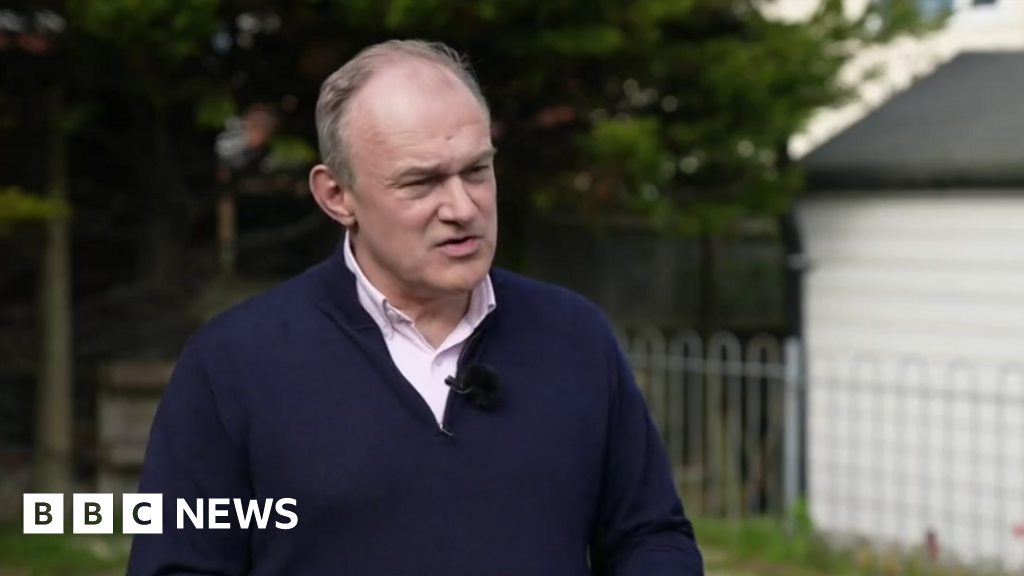

Liberal Democrats Push Cost of Living Crisis to Forefront Ahead of May Local Elections
LONDON, UK — As Britain braces for crucial local elections in May, the Liberal Democrats are sharpening their campaign strategy around one of the nation’s most pressing concerns: the soaring cost of living. The party is positioning itself as the champion of struggling households, aiming to capitalize on voter frustration over rising energy bills, food prices, and housing costs.
With inflation easing but still above target and wages struggling to keep pace, the issue has become a political battleground. Liberal Democrat leader Sir Ed Davey has accused both the Conservative government and Labour opposition of failing to deliver meaningful relief, framing his party as the only viable alternative for voters demanding action.
A Campaign Built on Economic Pain
The Liberal Democrats have unveiled a series of policy proposals aimed at alleviating financial strain, including an emergency cut to VAT on energy bills, increased support for low-income families, and reforms to the social care system. The party argues that these measures would provide immediate relief while laying the groundwork for long-term economic stability.
“Families across the country are being pushed to the brink,” Davey said at a recent campaign stop in Surrey. “The government’s response has been woefully inadequate, and Labour seems content to offer vague promises. We need bold, practical solutions—now.”
The strategy appears designed to win over disillusioned Conservative voters in traditionally Tory strongholds, particularly in southern England, where the party has made gains in recent by-elections. Analysts suggest that focusing on local economic struggles could help the Liberal Democrats peel away support from both major parties.
Why This Matters
The cost of living crisis remains a dominant issue in British politics, with millions still feeling the pinch from high mortgage rates, stagnant wages, and elevated grocery prices. While headline inflation has fallen from its peak, food inflation remains stubbornly high, and energy costs, though lower than in 2022, are still above pre-crisis levels.
For the Liberal Democrats, the local elections represent a critical test of whether their messaging can translate into tangible gains. The party has struggled to break through in national polls but has shown resilience in local contests, where hyper-local concerns often dominate. A strong showing in May could bolster their case as a credible third force in British politics ahead of the next general election.
Political Context and Challenges
The Conservatives, trailing Labour by double digits in national polls, are fighting to limit losses in what is widely seen as a referendum on their economic record. Prime Minister Rishi Sunak has pointed to falling inflation and tax cuts as signs of progress, but critics argue that many households have yet to feel the benefits.
Labour, meanwhile, has sought to position itself as the party of fiscal responsibility while promising reforms to boost wages and reduce inequality. However, the Liberal Democrats are betting that their sharper focus on immediate relief will resonate more with voters tired of partisan gridlock.
The party’s challenge will be turning outrage into votes. While cost-of-living concerns cut across demographics, the Liberal Democrats must overcome perceptions that they lack the influence to enact real change. Their success may hinge on whether they can convince voters that local council seats are a stepping stone to broader policy shifts.
Future Implications
A strong performance in May could reinvigorate the Liberal Democrats’ national ambitions, particularly if they secure key councils in areas where they hope to challenge Tory incumbents in the next general election. Conversely, failure to gain ground may force a reassessment of their strategy.
Beyond party politics, the elections will serve as a barometer of public sentiment on economic hardship. If the Liberal Democrats’ message gains traction, it could pressure both major parties to adopt more aggressive relief measures—or risk ceding ground to a resurgent third party.
For now, the cost of living remains the defining issue of this election cycle. And as voters prepare to head to the polls, the Liberal Democrats are betting that economic pain will translate into political gain.
