



Scottish Politician Denies Homophobia After George Michael Joke Backlash
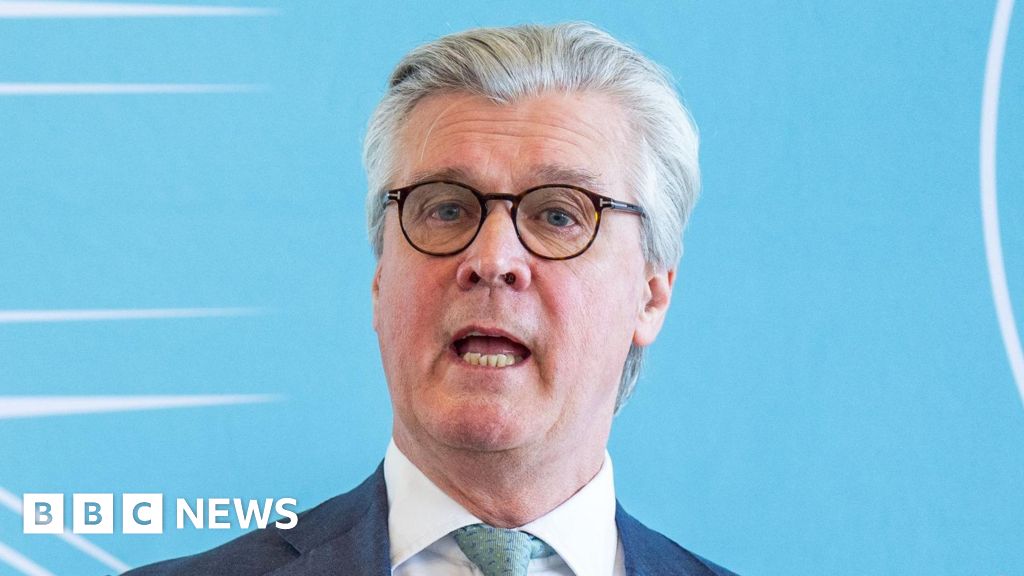
Malcolm Offord, a prominent Scottish politician, has denied accusations of homophobia after facing criticism for a joke about the late singer George Michael during a Burns Night speech. Offord, who serves as the UK Government’s Minister for Scotland, issued an apology but insisted his remarks were taken out of context, sparking a debate over the line between humor and offense.
The incident occurred during a traditional Burns Supper, an event celebrating Scotland’s national poet Robert Burns, where Offord made a quip referencing George Michael’s 1998 arrest for lewd conduct in a public restroom. The joke, met with mixed reactions, quickly drew condemnation from LGBTQ+ advocates and political opponents, who labeled it insensitive and outdated.
Apology and Defense
Offord swiftly apologized, stating, “I regret any offense caused by my remarks. It was never my intention to upset anyone, and I fully support the LGBTQ+ community.” However, he later clarified that the joke was meant in jest and should not be interpreted as reflective of his personal views. “Humour is subjective, and I understand why some found it inappropriate,” he added.
Critics argue that the joke perpetuated harmful stereotypes about gay men, particularly given Michael’s status as an iconic LGBTQ+ figure. Advocacy groups, including Stonewall Scotland, called for greater sensitivity from public figures. “Politicians must recognize the impact of their words, especially when referencing marginalized communities,” a spokesperson said.
Political Repercussions
The controversy comes at a delicate time for Offord, who has positioned himself as a moderate within the Conservative Party. Opponents seized on the incident, with Scottish National Party (SNP) MP John Nicolson describing the remark as “tone-deaf” and demanding further accountability. Meanwhile, allies defended Offord, emphasizing his record on equality issues.
The incident also reignited discussions about the role of humor in political discourse. While some argue that public figures should avoid risqué jokes altogether, others contend that overreactions stifle free expression. “Context matters,” said one political commentator. “But when you’re in the public eye, you have to weigh every word.”
Broader Implications
The backlash highlights ongoing tensions around LGBTQ+ rights in the UK, where progress on equality has been met with occasional resistance. Offord’s remarks, though not explicitly malicious, underscore how seemingly offhand comments can alienate communities and fuel division.
Moving forward, the incident may prompt stricter scrutiny of public figures’ language, particularly at formal events. As debates over inclusivity intensify, politicians face increasing pressure to balance personal expression with social responsibility. For Offord, the fallout serves as a cautionary tale—a reminder that in today’s polarized climate, even a joke can carry lasting consequences.
The controversy is unlikely to derail his career, but it has undoubtedly left a mark. Whether it sparks meaningful reflection or fades as a fleeting scandal remains to be seen. One thing is certain: in the age of instant backlash, public figures must tread carefully—or risk becoming the punchline themselves.
