


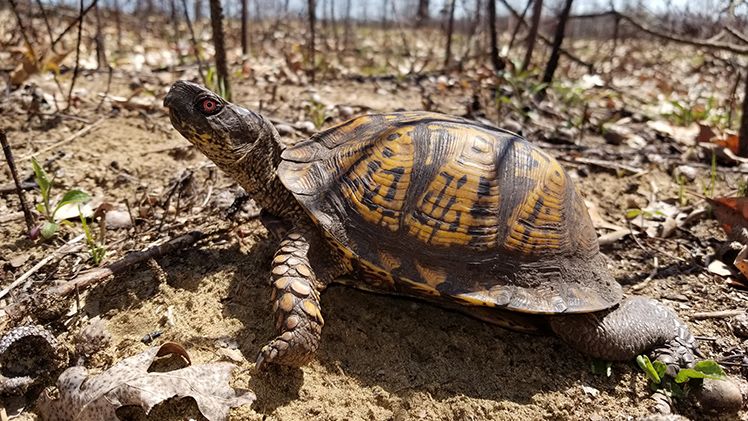

Eastern Box Turtles Face Alarming Inbreeding Rates in Northwest Ohio and Southeast Michigan
TOLEDO, Ohio — A groundbreaking study from the University of Toledo has revealed alarming levels of inbreeding among eastern box turtles in northwest Ohio and southeast Michigan. Published in Ecology and Evolution, the research highlights surprising disparities between eastern box turtles and spotted turtles, with the former facing significant genetic challenges despite not being classified under the Endangered Species Act. This discovery underscores the urgent need for conservation efforts to protect these vital reptiles.
The Study: Uncovering Hidden Genetic Struggles
Researchers analyzed field data collected from three populations of eastern box turtles and three populations of spotted turtles, starting in 2018. Using advanced techniques like radio telemetry and genetic analysis, the team tracked the turtles across forests and wetlands in the Oak Opening Region. The findings were startling: while spotted turtles showed no signs of inbreeding, eastern box turtles exhibited concerningly high levels of genetic interbreeding.
Jeanine Refsnider, an associate professor at the University of Toledo’s Department of Environmental Sciences, explained, “We expected spotted turtles to display inbreeding effects due to their smaller, more isolated populations. Instead, we found the opposite—box turtles are facing significant genetic challenges.”
The study’s co-authors, including field technician Paige Madden, emphasized the challenges of tracking these elusive creatures. Madden noted, “Processing years of raw data felt like solving a complicated puzzle, but the results are both fulfilling and inspiring.”
Why Inbreeding Matters: The Extinction Vortex
Inbreeding occurs when closely related individuals mate, leading to a loss of genetic diversity. Over time, this can result in “inbreeding depression,” where offspring exhibit reduced fitness and reproductive success. Refsnider described this as an “extinction vortex,” where smaller, genetically similar populations become increasingly vulnerable to extinction.
The genetic analysis of blood samples revealed that eastern box turtles had lower egg-hatching and hatchling survival rates compared to spotted turtles, indicating potential inbreeding depression. Researchers hypothesize that habitat loss and fragmentation play a significant role in exacerbating this issue for box turtles.
Habitat Loss and Fragmentation: A Double Blow
One key factor contributing to the inbreeding crisis is habitat loss. Eastern box turtles rely on large, interconnected habitats to disperse and mate with unrelated individuals. However, human activities like urban development and deforestation have fragmented these habitats, isolating turtle populations and limiting gene flow.
Refsnider explained, “Male box turtles typically disperse to mate outside their gene pool, but habitat fragmentation obstructs this behavior. This makes them more prone to inbreeding compared to spotted turtles, which tend to stay closer to home.”
The study underscores the importance of preserving natural habitats and creating wildlife corridors to facilitate turtle movement between isolated populations.
The Role of Human Intervention
The research also highlights the detrimental impact of human interference, such as taking turtles from the wild as pets. Refsnider warned, “Taking one turtle from the wild could represent a significant portion of a local population, further reducing genetic diversity and increasing inbreeding risks.”
Both the Ohio and Michigan Department of Natural Resources supported the study, recognizing its critical implications for conservation efforts. The findings call for increased public awareness and stricter regulations to protect these vulnerable species.
Looking Forward: Conservation Strategies
The study’s insights pave the way for targeted conservation strategies. Key initiatives include:
- Protecting and restoring turtle habitats to reduce fragmentation.
- Implementing wildlife corridors to connect isolated populations.
- Educating the public about the dangers of removing turtles from the wild.
- Monitoring turtle populations to track genetic health and inbreeding levels.
As Refsnider noted, “Understanding the genetic challenges facing box turtles is the first step toward preventing their decline.”
Key Takeaways
- Eastern box turtles in northwest Ohio and southeast Michigan exhibit alarmingly high inbreeding rates.
- Spotted turtles, despite being under review under the Endangered Species Act, showed no signs of inbreeding.
- Habitat loss and fragmentation are major contributors to box turtles’ genetic challenges.
- Human interference, such as taking turtles as pets, exacerbates the inbreeding crisis.
- Conservation efforts must focus on habitat protection, wildlife corridors, and public education.
Conclusion
The University of Toledo’s research sheds light on a hidden crisis facing eastern box turtles. While spotted turtles remain under the Endangered Species Act spotlight, box turtles are quietly grappling with genetic challenges that could push them toward extinction. By addressing habitat loss, fostering greater public awareness, and implementing targeted conservation strategies, we can help ensure these resilient reptiles thrive for generations to come.
Meta Description: University of Toledo researchers reveal alarming inbreeding rates among eastern box turtles in Ohio and Michigan, highlighting urgent conservation needs. Read more here.
