


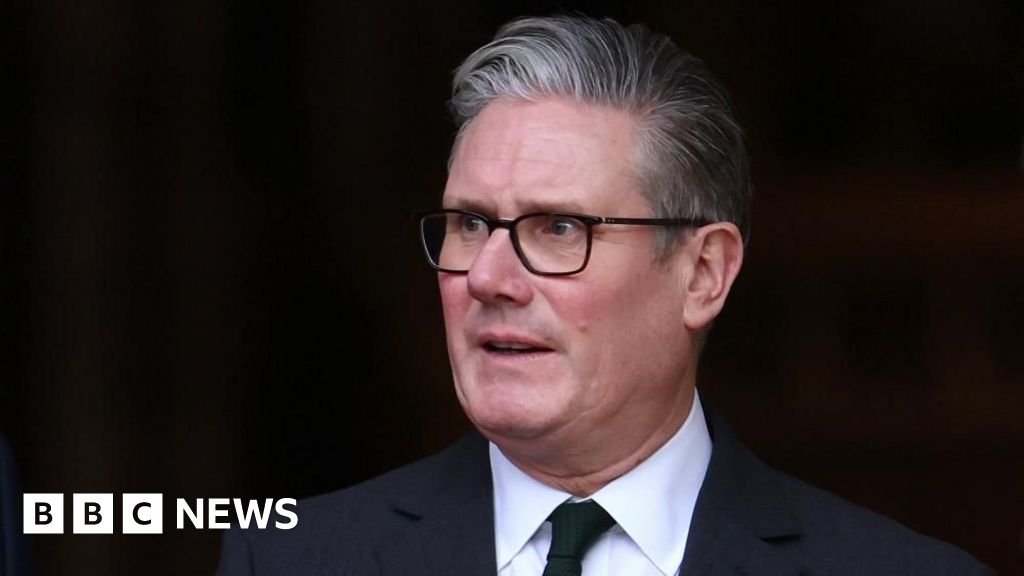

Starmer Warned of Reputational Risk Over Peer’s Ties to Epstein, Documents Reveal
Newly uncovered documents show that UK Labour leader Sir Keir Starmer was explicitly warned about a senior peer’s association with convicted sex offender Jeffrey Epstein, with advisers flagging it as a potential “reputational risk.” The revelation raises fresh questions about due diligence within political circles and the lingering shadow of Epstein’s network years after his death.
The warnings, detailed in internal communications, centered on the peer’s past links to Epstein, the disgraced financier who died in jail in 2019 while awaiting trial on sex trafficking charges. While the peer’s identity remains undisclosed in the documents, the alert underscores the ongoing scrutiny of high-profile figures connected to Epstein’s orbit.
The Warning and Its Implications
Advisers close to Starmer reportedly cautioned that the peer’s ties could damage public trust if exposed. The Labour leader, a former Director of Public Prosecutions, has positioned himself as a reformist figure, emphasizing accountability and transparency. This disclosure, however, places him under pressure to clarify whether he acted on the advice and what steps were taken to address the concerns.
The documents do not suggest any wrongdoing by Starmer or the peer in question. Instead, they highlight the broader challenge faced by institutions and leaders in navigating associations with controversial figures—especially those linked to Epstein, whose connections spanned global elites in politics, business, and academia.
Political Fallout and Public Trust
The timing is sensitive for Starmer, who has sought to distance Labour from past scandals and present the party as a credible alternative ahead of the next general election. Critics argue that failing to act decisively on such warnings could undermine his anti-corruption messaging. Supporters, however, may view it as an unavoidable dilemma in modern politics, where past associations are often unearthed years later.
The Epstein case continues to reverberate globally, with investigations and lawsuits still unfolding. In the UK, the monarchy, political leaders, and business figures have faced scrutiny over ties to Epstein or his associate Ghislaine Maxwell, now serving a 20-year prison sentence.
Broader Context: Epstein’s Shadow
Epstein’s web of influence has ensnared numerous high-profile names, with legal proceedings and media exposés keeping the scandal alive. The UK has not been immune, with Prince Andrew’s settlement in a civil sexual assault case and lingering questions about other elites’ involvement.
For Starmer, the warning about the peer’s connections adds to the delicate balance of managing political alliances while maintaining ethical standards. The Labour leader has previously called for stricter oversight of lobbying and conflicts of interest, making this revelation particularly awkward.
What Comes Next?
The disclosure is likely to prompt calls for transparency from opposition parties and watchdog groups. Starmer may face demands to clarify whether the peer remains in a position of influence and what safeguards were implemented.
Beyond immediate politics, the episode reinforces the enduring challenge for public figures in the post-Epstein era: vetting associations and mitigating reputational risks before they become crises. For Starmer, the test will be whether he can turn this into a demonstration of accountability—or if it becomes another obstacle in his path to Downing Street.
As the Epstein saga continues to unfold, the documents serve as a reminder that its fallout is far from over, and no institution is immune to its reach.
