



Five Years Post-Pandemic: Millions Still Grapple with Long COVID as Disability Challenges Persist
CLEVELAND — Five years after the COVID-19 pandemic brought the world to a standstill, nearly 18 million Americans—6% of the population—are still battling the lingering effects of the virus. Known as long COVID, this condition has left countless individuals struggling with debilitating symptoms, often forcing them to abandon careers, hobbies, and daily routines.
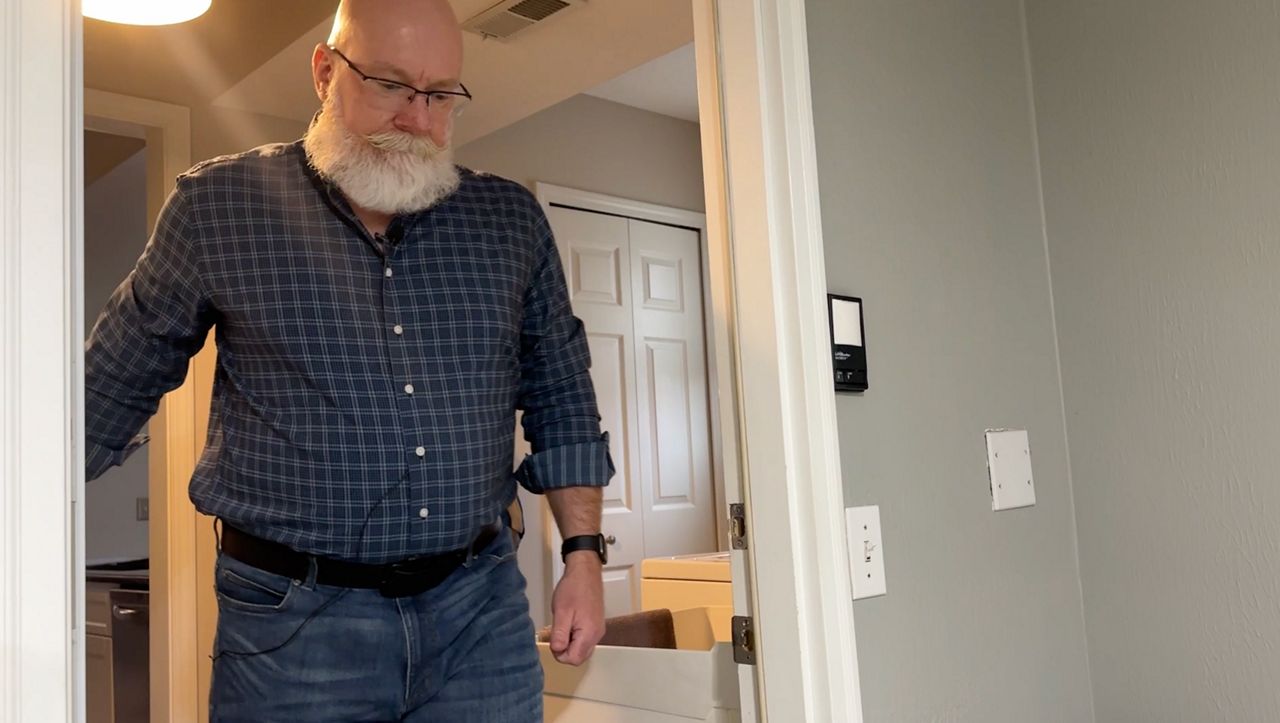
For Greg Erickson, a driving enthusiast, life has taken a dramatic turn. His 5-year-old car, with just 19,000 miles on it, sits parked in his garage—a symbol of the life he once enjoyed. Erickson began experiencing long COVID symptoms shortly after purchasing the vehicle.
“It felt like that stunned sensation you get when you fall on ice or hit your head on concrete—except it was constant,” Erickson said. The neurological symptoms became so severe that he had to quit his job. “I couldn’t make decisions, gather my thoughts, or even find the right words to speak,” he added.
Erickson’s story is far from unique. Across the U.S., millions are facing similar challenges, often in silence due to the lack of quantifiable tests to confirm their condition. This hurdle makes it nearly impossible for many to qualify for disability benefits, leaving them financially vulnerable.
A Growing Crisis
Dr. David Rosenberg, medical director at the University Hospitals COVID Recovery Clinic in Ohio, said his clinic is “busier than ever.” He explained that long COVID is diagnosed when symptoms persist for more than three months after the initial infection.
“We’re seeing people who are still trying to work, but the loss of income and job security can have a devastating impact on their well-being and the economy,” Rosenberg noted.
Juliane Torer, a certified nurse practitioner at the same clinic, emphasized the neurological toll of the condition. Patients report a range of symptoms, including chronic fatigue, brain fog, sleep disturbances, and heart palpitations.
“Not everything shows up on an X-ray or blood test,” Torer said. “Nobody questions that depression is real, yet long COVID sufferers often face skepticism because their symptoms aren’t always visible.”
The Disability Dilemma
One of the major challenges for long COVID patients is proving the severity of their condition to qualify for disability benefits.
“Many of the tests come back normal, so there’s no objective measurement that social security recognizes,” Rosenberg explained.
Erickson, who participated in a four-year study at the University Hospitals COVID Recovery Clinic, continues to manage his symptoms with a daily regimen of medications. From migraines to muscle constriction, his healthcare routine has become a full-time job.
Despite the challenges, Erickson remains hopeful. He’s noticed gradual improvements and dreams of returning to his passion—driving.
“I miss being in my car, with the radio on and the roof open,” he said with a sense of longing.
A Call for Awareness and Support
As the world moves forward, the plight of long COVID patients serves as a stark reminder of the pandemic’s lasting impact. Advocates are urging for greater awareness, improved diagnostic tools, and enhanced support systems to help those still struggling.
For millions like Erickson, the road to recovery is long and uncertain. But with continued research and understanding, there’s hope for a brighter future.
— Reported by Nexio News
