



U.S. Announces Strategic Oil Reserve Exchange to Stabilize Global Energy Markets
In a move aimed at addressing rising energy prices and bolstering global supply, the U.S. Department of Energy announced plans on Sunday to release 172 million barrels of oil from the nation’s Strategic Petroleum Reserve (SPR). The release, structured as an exchange rather than a direct sell-off, underscores the Biden administration’s efforts to stabilize volatile energy markets while maintaining the resilience of the country’s emergency oil stockpile. The decision comes amid mounting geopolitical tensions, supply chain disruptions, and inflationary pressures that have rattled economies worldwide.
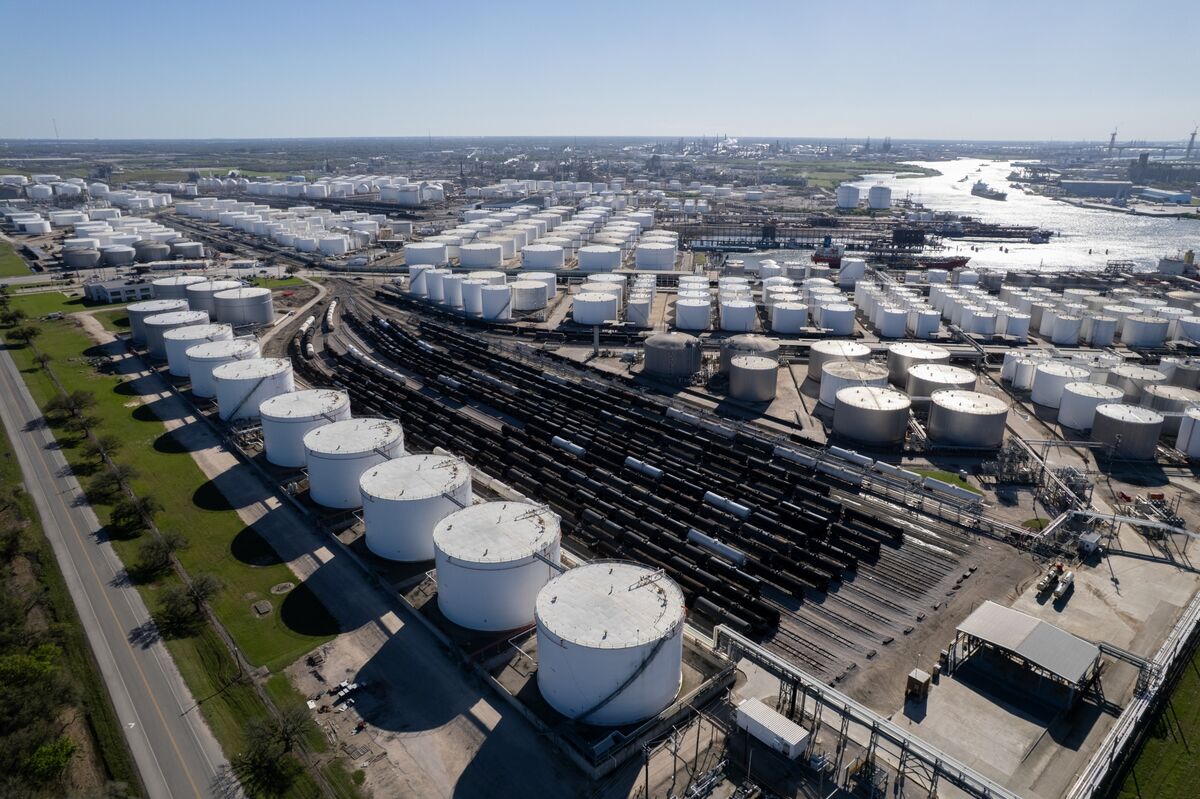
The Strategic Petroleum Reserve, the largest emergency oil stockpile in the world, was established in the aftermath of the 1970s oil crises to safeguard the U.S. against severe supply disruptions. With a capacity of over 700 million barrels stored in underground salt caverns along the Gulf Coast, the SPR has long served as a critical buffer against global energy shocks. The latest announcement marks one of the largest planned releases in the reserve’s history, reflecting the gravity of the current challenges facing global energy markets.
A Strategic Exchange, Not a Fire Sale
Unlike previous releases, which often involved direct sales of oil to private companies, this initiative will operate as an exchange. Under this model, oil companies will borrow barrels from the SPR and return them at a later date, along with an additional premium. This approach aims to provide immediate relief to the market while ensuring the reserve’s long-term replenishment. The Energy Department emphasized that the exchange mechanism allows for a more controlled and sustainable release, minimizing the risk of depleting the reserve during a prolonged crisis.
The decision to structure the release as an exchange has drawn mixed reactions. Proponents argue that it strikes a balance between addressing short-term supply shortages and preserving the SPR’s integrity. Critics, however, question whether the move will have a lasting impact on prices, given the scale of disruptions caused by Russia’s invasion of Ukraine, ongoing OPEC+ supply constraints, and the lingering effects of the COVID-19 pandemic on global energy demand.
Global Energy Markets Face Unprecedented Challenges
The announcement comes at a time of heightened uncertainty in global energy markets. Crude oil prices have surged to multi-year highs, driven by a combination of factors. Russia’s war in Ukraine has disrupted supplies from one of the world’s largest oil producers, while Western sanctions have further tightened the market. Meanwhile, OPEC+ nations have resisted calls to accelerate production increases, opting instead to stick to pre-planned output hikes.
Adding to the complexity, energy demand has rebounded sharply as economies recover from the pandemic, straining already fragile supply chains. The International Energy Agency (IEA) has warned of a potential supply crunch in the coming months, with inventories at historically low levels and refining capacity struggling to keep pace. Against this backdrop, the U.S. SPR release is seen as a critical intervention to prevent prices from spiraling out of control.
Political and Economic Implications
The Biden administration’s decision is also aimed at addressing mounting domestic pressures. Rising energy prices have become a political liability, contributing to stubbornly high inflation that has eroded consumer confidence. Gasoline prices in the U.S. recently hit record highs, with the national average surpassing $5 per gallon in some regions. The administration has faced growing criticism from both sides of the political aisle, with Republicans blaming its energy policies and Democrats urging more aggressive action to curb prices.
The SPR release is part of a broader strategy that includes calls for increased domestic oil production, investments in renewable energy, and diplomatic efforts to encourage OPEC+ producers to boost output. However, the administration has walked a fine line, balancing immediate energy needs with its long-term climate goals. The decision to tap the SPR has drawn criticism from environmental groups, who argue that it undermines efforts to transition away from fossil fuels.
Global Reactions and Future Outlook
The announcement has sparked a wide range of reactions from international stakeholders. Major oil-consuming nations, including members of the IEA, have welcomed the move as a necessary step to stabilize markets. However, oil-producing countries have expressed concern that the release could depress prices and undermine their revenues. The OPEC+ alliance, which includes Russia, has yet to issue an official response, but analysts speculate that the group may adjust its production strategy in response to the U.S. action.
Looking ahead, the effectiveness of the SPR release will depend on a host of factors, including the global demand trajectory, geopolitical developments, and the pace of economic recovery. While the immediate impact on prices may be limited, the move signals the U.S.’s willingness to leverage its strategic resources to address global energy challenges.
A Delicate Balancing Act
As the world grapples with a perfect storm of energy market disruptions, the U.S. SPR release represents a calculated attempt to restore stability. By opting for an exchange mechanism, the Biden administration seeks to mitigate short-term supply pressures without compromising the reserve’s long-term capacity. Yet, as with any intervention in the complex and interconnected world of global energy markets, the ultimate success of this initiative remains uncertain.
For now, the U.S. continues to play a pivotal role in navigating the crisis, leveraging its strategic reserves to ease the burden on consumers and businesses alike. But with challenges ranging from geopolitical tensions to climate change showing no signs of abatement, the path to energy security is likely to remain fraught with uncertainty.
