



Global Tensions Rise as Iran Protests Spark International Concern
In the quiet suburbs of Toronto, Canada, Negar nervously clutches her phone, awaiting another fleeting call from her family in Iran. These brief moments of reassurance—mere snippets of conversation—are her only solace as her loved ones navigate a country engulfed in turmoil. While her family insists they are safe, Negar’s anxiety remains palpable, a stark reminder of the far-reaching human toll of Iran’s escalating anti-government protests. From the streets of Tehran to the diaspora communities across the globe, the unrest has become a rallying cry for change—but also a source of deep unease for those watching from afar.
The Spark That Ignited a Nation
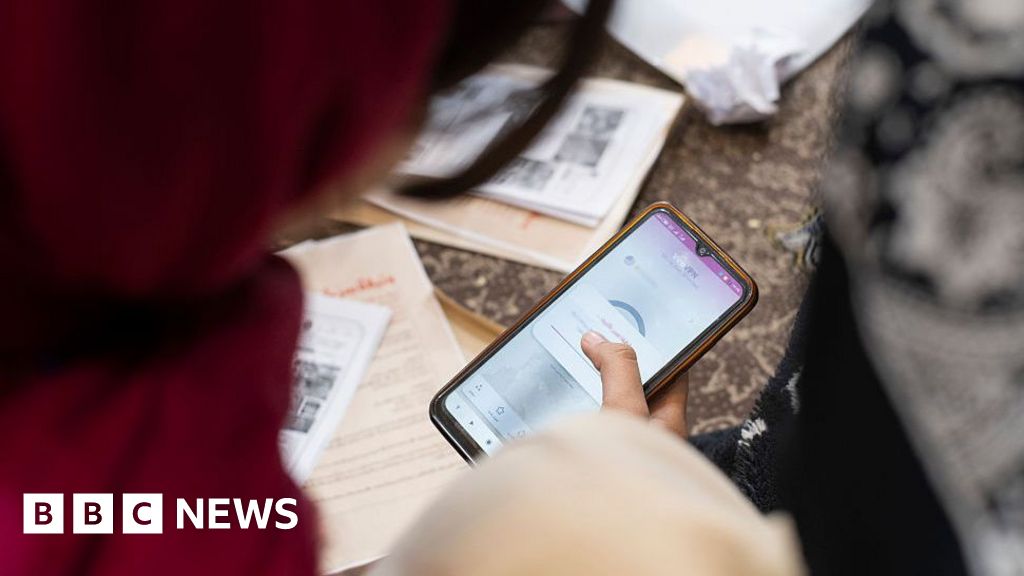
The protests, which erupted in January following widespread dissatisfaction with Iran’s government, have grown into a formidable movement demanding political reform and greater freedoms. Triggered by economic hardships, political repression, and allegations of corruption, the demonstrations have drawn tens of thousands into the streets, including students, workers, and even some members of the middle class. Authorities have responded with a heavy hand, deploying security forces to quell dissent and cutting off internet access to stifle communication and organizing efforts.
According to human rights organizations, the crackdown has been brutal, with reports of hundreds killed, thousands arrested, and countless others injured. The government’s refusal to acknowledge the scale of the protests or engage with protestors has only fueled anger, further polarizing an already divided society.
A Global Lens on Domestic Unrest
While the protests are rooted in Iran’s internal struggles, their implications extend far beyond its borders. Iran’s geopolitical significance—its role in the Middle East, its nuclear program, and its relationships with global powers—makes the unrest a matter of international concern.
Western nations, particularly the United States and European Union, have condemned the Iranian government’s crackdown, urging restraint and calling for accountability. However, their ability to influence the situation is limited, given Iran’s longstanding resistance to external interference. Meanwhile, regional players like Saudi Arabia and Israel are closely monitoring the developments, wary of how a weakened or destabilized Iran could shift the balance of power in the region.
For Iranians living abroad, like Negar, the protests are a deeply personal crisis. The diaspora has mobilized to amplify the voices of protestors, using social media to share updates and lobby for international support. Yet, their efforts are often hampered by Iran’s internet blackouts and the slow pace of global diplomacy.
The Human Cost of Silence
The protests have underscored the precariousness of life under Iran’s regime, where dissent is met with severe consequences. Families have been torn apart, with parents fearful for their children’s safety and siblings separated by prison walls. The psychological toll is immense, as citizens grapple with the fear of reprisals and the uncertainty of what lies ahead.
For many, the government’s refusal to address legitimate grievances has eroded trust in the state. The protests are not merely a demand for economic relief but a broader call for systemic change—a rejection of decades of authoritarian rule. As one protestor in Tehran told a journalist, “We are not just fighting for bread; we are fighting for our dignity.”
Why This Matters to the World
Iran’s instability has far-reaching consequences. As one of the world’s largest oil producers, any disruption to its economy could ripple through global markets, driving up energy prices and exacerbating inflation. Moreover, Iran’s role in regional conflicts—from Yemen to Syria—means that its internal strife could have external ramifications, potentially destabilizing an already volatile Middle East.
The protests also highlight the challenges of addressing human rights abuses in an increasingly multipolar world. While Western nations have been vocal in their criticism, countries like China and Russia have largely remained silent, reflecting their own authoritarian tendencies and strategic alliances with Iran. This divergence underscores the difficulty of building a unified international response to crises of this nature.
A Fragile Hope for the Future
Despite the risks, the protests have ignited a sense of hope among many Iranians, both at home and abroad. They represent a rare moment of collective defiance against a regime that has long stifled dissent. Yet, hope is tempered by the harsh realities of the situation.
As Negar waits for her next call, her unease mirrors that of millions of others watching from afar. The protests are a reminder of the resilience of the human spirit—but also of the fragility of freedom.
In the end, Iran’s fate will be shaped not just by the courage of its protestors but by the willingness of the international community to stand in solidarity with them. The world is watching, and the stakes could not be higher.
