



Belgian Ex-Diplomat Accused in Assassination of African Independence Hero: A Cold War Shadow Revisited
Brussels, Belgium – The past has come knocking with a vengeance. Etienne Davignon, a 93-year-old former Belgian diplomat and European Commission vice-president, now stands accused of involvement in one of the most infamous political assassinations of the 20th century—the killing of Patrice Lumumba, Congo’s first democratically elected leader. The explosive allegations, emerging from a new investigative report, threaten to reopen old wounds in a country still grappling with its colonial legacy and cast a fresh spotlight on the covert power struggles of the Cold War era.
The Allegations: A Diplomat’s Dark Legacy?
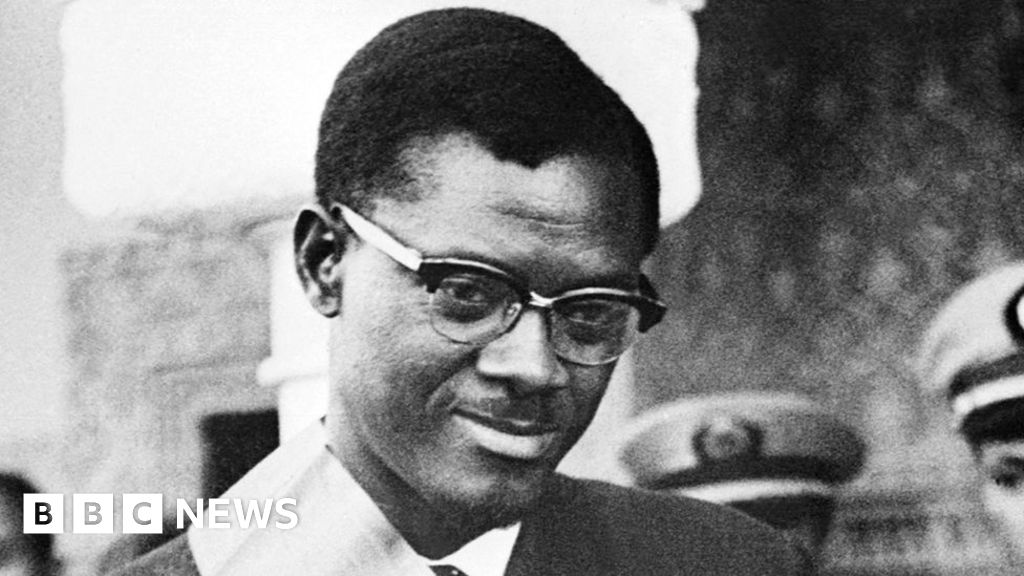
Davignon, once a key architect of European integration and a respected statesman, is named in documents alleging he played a role in the events leading to Lumumba’s 1961 execution. Lumumba, a fiery anti-colonialist who led Congo to independence from Belgium in 1960, was overthrown in a Western-backed coup just months into his tenure. After being captured by separatist forces, he was tortured and executed with the alleged complicity of Belgian officers and intelligence operatives.
The new claims suggest Davignon, then a young diplomat in Congo, may have facilitated communications between Belgian authorities and the secessionist Katanga regime, which held Lumumba before his murder. While Davignon has denied any direct involvement, historians and legal experts are demanding further scrutiny of Belgium’s role in the assassination—a wound that has never fully healed in Central Africa.
Global Context: Cold War Intrigue and Colonial Reckoning
Lumumba’s death was not just a Congolese tragedy but a pivotal moment in Cold War geopolitics. The U.S. and Belgium, fearing his Soviet-aligned leanings, reportedly conspired to remove him, setting off decades of dictatorship under Mobutu Sese Seko and fueling regional instability. The allegations against Davignon resurface as former colonial powers—including France, Germany, and the Netherlands—face growing demands to confront their imperial pasts.
Belgium, in particular, has been forced to reckon with its brutal rule in Congo, marked by forced labor, mass killings, and the plundering of resources. In 2022, King Philippe expressed “deepest regrets” for colonial abuses, but reparations and accountability remain contentious. The Davignon case could reignite calls for justice—not just in Belgium but across former colonies seeking redress for historical crimes.
Why This Matters Now
The timing is striking. As Western nations champion human rights and democracy abroad, revelations of past covert interventions undermine their moral authority. For Congo, where Lumumba remains a symbol of resistance, the case is a reminder of foreign interference that shaped its troubled trajectory. Meanwhile, Belgium’s political establishment faces uncomfortable questions about how deeply its elite were entangled in Lumumba’s murder.
Globally, the accusations arrive amid a broader reassessment of Cold War-era covert actions—from CIA-backed coups in Latin America to French operations in Africa. With Russia and China weaponizing historical grievances to challenge Western influence, unresolved cases like Lumumba’s provide potent ammunition for geopolitical rivals.
Legal and Political Fallout
While Davignon is unlikely to face trial due to his age and Belgium’s statute of limitations, the allegations could have diplomatic repercussions. Congo’s government, led by President Félix Tshisekedi, has long sought accountability for Lumumba’s death; in 2021, Belgium returned the slain leader’s tooth—the only known remains—to his family.
Human rights lawyers argue that symbolic gestures are insufficient. “If these allegations are substantiated, they reveal a systemic effort to eliminate a democratically elected leader,” says Dr. Amara Nkosi, a Congolese historian. “This isn’t just about one man—it’s about acknowledging a pattern of Western impunity in Africa.”
A Test for Belgium’s Conscience
For Belgium, the Davignon case is a litmus test. Will it confront the darkest chapters of its past, or will the truth remain buried? The country has taken tentative steps toward reconciliation, including a parliamentary inquiry into Lumumba’s assassination in 2001, which concluded Belgium bore “moral responsibility.” Yet critics say accountability has been elusive for the individuals involved.
Davignon, who later became a influential business leader and EU policymaker, represents the uneasy intersection of colonial history and modern European power. His legacy, once celebrated, now risks being overshadowed by the ghosts of Congo’s suffering.
Conclusion: The Unfinished Business of History
Six decades after Lumumba’s murder, the quest for justice endures. The allegations against Davignon are more than a historical footnote—they are a stark reminder of how the Cold War’s shadow still looms over global politics. For Congo, Belgium, and the wider world, the case underscores a painful truth: until colonial crimes are fully acknowledged, the wounds of the past will continue to shape the present.
As archives are unsealed and survivors demand answers, the Lumumba affair serves as a cautionary tale—about the cost of foreign intervention, the fragility of democracy, and the long road to reconciliation. The world is watching whether Belgium, and the West, will finally reckon with their roles in one of history’s darkest deeds.
