


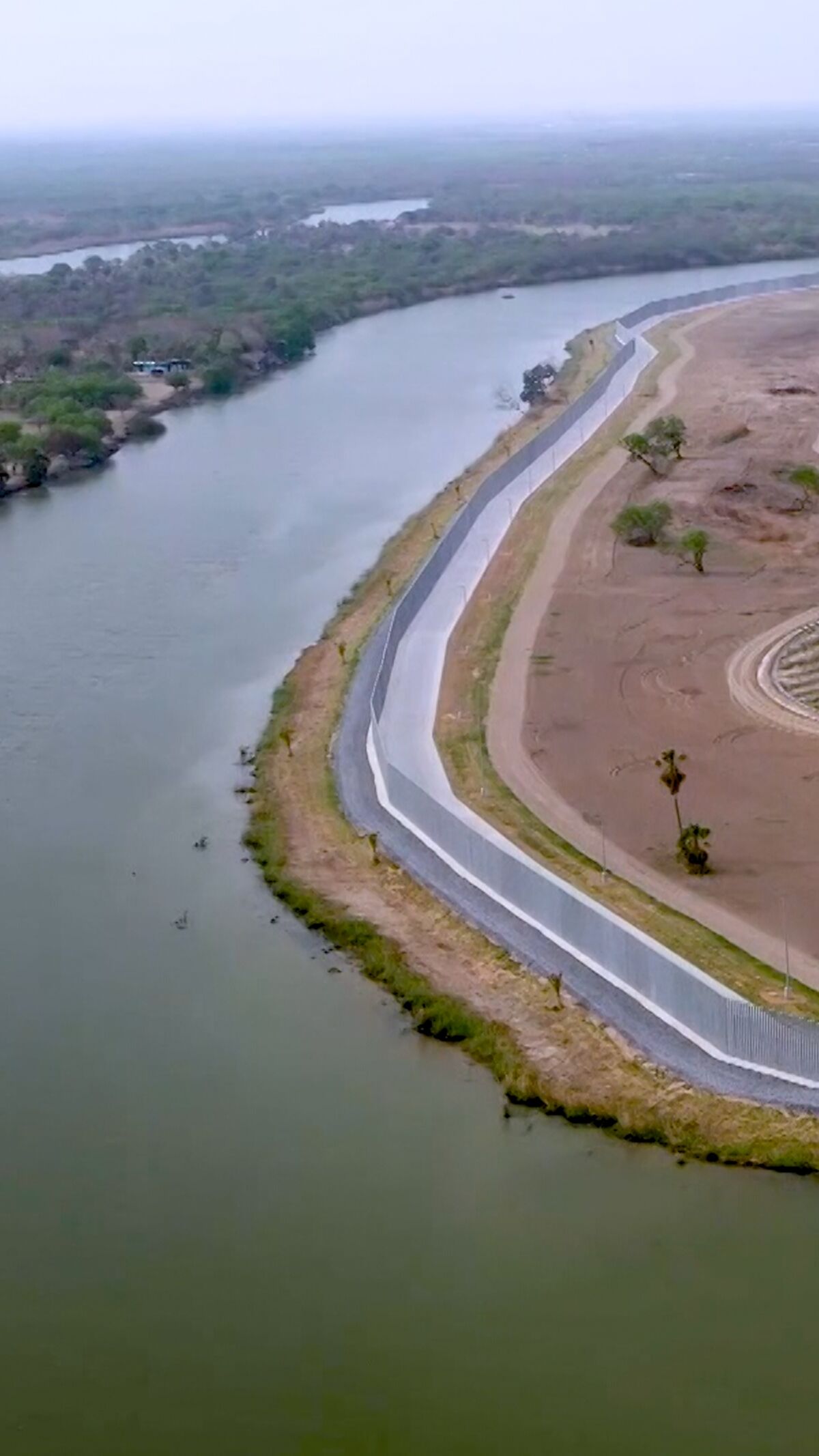

Fisher Sand & Gravel: The Construction Firm Riding America’s Border Wall Wave to Billions in Contracts
In the heart of North Dakota, a family-owned construction company has become an unlikely emblem of America’s polarizing immigration policies and the lucrative opportunities tied to federal contracts. Fisher Sand & Gravel, a firm with humble beginnings in the Midwest, has emerged as a dominant player in the construction of the U.S.-Mexico border wall, leveraging its alignment with Trump-era immigration rhetoric to secure more than $8 billion in government contracts since July. This meteoric rise, however, has not been without controversy, as critics question the firm’s connections, bidding practices, and the broader implications of its growing influence in national infrastructure projects.
From Local Roots to National Prominence
Founded in 1952 by brothers Eugene and Earl Fisher, Fisher Sand & Gravel started as a modest gravel and asphalt supplier in Dickinson, North Dakota. Over the decades, the company expanded its operations, carving out a niche in road construction and infrastructure projects across the Midwest. Despite its steady growth, the firm remained largely out of the national spotlight—until the Trump administration’s aggressive push to build a border wall along the U.S.-Mexico frontier thrust it into the limelight.
The company’s alignment with the MAGA (Make America Great Again) agenda proved pivotal. Fisher Sand & Gravel positioned itself as a vocal supporter of stricter immigration policies, echoing the administration’s calls for a fortified southern border. This stance not only ingratiated the firm with Trump loyalists but also positioned it as a prime candidate for federal contracts tied to wall construction.
A Controversial Path to Billions in Contracts
Fisher Sand & Gravel’s ascent to becoming one of the largest recipients of government contracts has raised eyebrows among industry experts and watchdog groups. Since July, the company has been awarded more than $8 billion in federal contracts, a staggering sum that underscores its pivotal role in the border wall project. Critics argue that the company’s success is less a testament to its technical prowess and more a reflection of its political connections and astute lobbying efforts.
The firm’s CEO, Tommy Fisher, has been a prominent advocate for the border wall, frequently appearing in media interviews and testifying before Congress to champion the project. His enthusiasm resonated with the Trump administration, which prioritized speed and ideological alignment over traditional procurement processes. In 2019, Fisher Sand & Gravel was awarded its first major border wall contract, valued at $400 million, despite initially ranking poorly in a government assessment of its capabilities.
According to Bloomberg, the company’s aggressive pursuit of federal funding included leveraging its relationships with key political figures. Notably, Fisher was seen posing for photos with President Trump during a 2019 rally in Minnesota, further cementing the firm’s image as a MAGA-aligned contractor. Critics have pointed to such connections as evidence of preferential treatment, raising concerns about transparency and fairness in the bidding process.
Technical and Environmental Concerns
While Fisher Sand & Gravel has delivered on its promise to expedite construction, its work has faced scrutiny from engineers, environmentalists, and local communities. The border wall project has been criticized for its environmental impact, with critics arguing that it disrupts fragile ecosystems and endangers wildlife. In some instances, construction has encroached on protected lands, leading to legal challenges and public outcry.
Technical concerns have also been raised. In 2020, a federal watchdog report found that some sections of the wall built by Fisher Sand & Gravel were at risk of erosion and flooding, potentially compromising their long-term effectiveness. The report highlighted the need for greater oversight and adherence to engineering standards, issues that critics say have been overlooked in the rush to complete the project.
Despite these challenges, Fisher Sand & Gravel has continued to secure lucrative contracts, underscoring its central role in the border wall initiative. The firm’s ability to adapt and expand its operations has solidified its position as a major player in the construction industry, with projects spanning multiple states and sectors.
The Broader Implications
Fisher Sand & Gravel’s rise reflects the complex interplay between politics, policy, and profit in modern America. The company’s success underscores how firms that align themselves with the ideological priorities of a particular administration can reap significant financial rewards. However, it also raises questions about the integrity of federal procurement processes and the potential for political favoritism to influence government spending.
The border wall project itself remains a contentious issue. While proponents argue that it enhances national security, opponents view it as a symbol of divisive and ineffective immigration policies. Fisher Sand & Gravel’s central role in this debate highlights the broader societal implications of its work, as well as the challenges faced by companies navigating the intersection of politics and business.
Looking Ahead
As the Biden administration reevaluates the future of the border wall project, questions loom over Fisher Sand & Gravel’s trajectory. While the company has diversified its portfolio to include infrastructure projects unrelated to the wall, its identity remains closely tied to the Trump-era initiative. Whether it can sustain its momentum in a shifting political landscape remains to be seen.
For now, Fisher Sand & Gravel stands as a testament to the transformative power of federal contracts—and the controversies that often accompany them. Its story is a microcosm of a larger debate about the role of private companies in public policy, the influence of political ideology on business success, and the enduring tensions surrounding America’s immigration policies.
As the dust settles, one thing is clear: Fisher Sand & Gravel’s journey from a local gravel supplier to a national powerhouse is a tale as complex and divisive as the wall it helped build.
