



Iran Threatens to “Set Fire” to Ships in Strategic Strait of Hormuz, Escalating Global Tensions
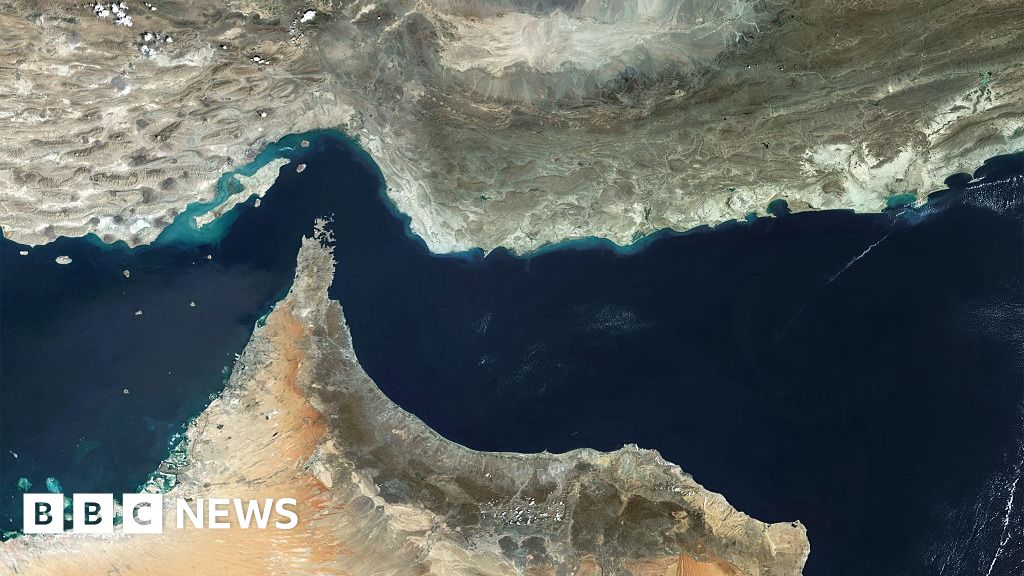
In a chilling declaration that has sent ripples across the global security landscape, Iran has vowed to “set fire” to any vessels attempting to navigate the Strait of Hormuz, the world’s most critical oil transit chokepoint. The incendiary rhetoric, delivered by Iranian Navy Commander Alireza Tangsiri, underscores the escalating tensions in a region already fraught with geopolitical volatility. The Strait, a narrow waterway separating Iran from the Arabian Peninsula, serves as a lifeline for global energy supplies, with nearly one-fifth of the world’s oil passing through its waters daily. This latest threat raises the specter of a potential maritime crisis that could disrupt global trade, spike energy prices, and destabilize an already fragile international order.
The Strategic Importance of the Strait of Hormuz
The Strait of Hormuz is no ordinary waterway. Spanning just 21 miles at its narrowest point, it connects the Persian Gulf to the Gulf of Oman and beyond to the Arabian Sea. This stretch of water is indispensable to global energy markets, facilitating the transport of approximately 17 million barrels of oil per day—equivalent to around 20% of the world’s oil consumption. Key oil-producing nations such as Saudi Arabia, the United Arab Emirates, Kuwait, and Qatar rely heavily on the Strait to export their crude to markets in Asia, Europe, and the Americas.
Any disruption to this maritime artery would have immediate and far-reaching consequences. Oil prices, already sensitive to geopolitical shocks, could skyrocket, triggering inflationary pressures and economic instability worldwide. Moreover, the Strait is a cornerstone of global trade, with liquefied natural gas (LNG) and other vital commodities also traversing its waters. The threat of Iran targeting shipping lanes is not merely a regional concern—it is a global one.
Iran’s Motives and Regional Context
Iran’s aggressive stance comes amid a backdrop of heightened tensions with Western powers, particularly the United States and its allies. The Islamic Republic has long viewed the Strait of Hormuz as a strategic lever in its geopolitical arsenal, capable of exerting pressure on adversaries. Tehran has repeatedly warned that it could close the waterway in response to sanctions, military threats, or perceived acts of aggression.
The latest threat follows a series of confrontations between Iran and the U.S. Navy in the region. Earlier this year, Iranian forces seized two tankers in the Strait, accusing them of violating maritime laws. These incidents, coupled with ongoing nuclear negotiations and U.S. sanctions targeting Iran’s oil exports, have fueled a cycle of brinkmanship. For Iran, the Strait represents both a vulnerability and a weapon—one that it is increasingly willing to wield.
Global Implications and the Risk of Escalation
The prospect of Iran targeting ships in the Strait of Hormuz carries profound implications for global security. Such actions would likely provoke a swift and forceful response from the international community, particularly the United States, which has long committed to ensuring freedom of navigation in the region. The U.S. Fifth Fleet, stationed in Bahrain, plays a key role in patrolling the waters of the Persian Gulf and deterring hostile actions.
A maritime conflict in the Strait could also draw in regional powers, including Saudi Arabia and the UAE, both of which have strained relations with Tehran. The involvement of these countries could further complicate the situation, potentially escalating into a broader regional confrontation. Beyond the Middle East, nations dependent on Middle Eastern oil—such as China, India, and Japan—would face severe economic disruptions, underscoring the global stakes of any instability in the Strait.
The Human Cost of Conflict
While the geopolitical ramifications are immense, the human cost of such a conflict cannot be overlooked. The crews of commercial vessels navigating the Strait of Hormuz—many of whom hail from countries like the Philippines, India, and Indonesia—would be on the front lines of any hostilities. Maritime workers already face significant risks in the region, including piracy and accidental collisions. The threat of deliberate attacks adds a dangerous new dimension to their peril.
Moreover, a disruption in oil supplies could exacerbate energy shortages and drive up costs for consumers worldwide, disproportionately affecting low-income households. In developing countries, where energy access is already a challenge, the ripple effects could be particularly severe.
Why This Matters Globally
The Strait of Hormuz is not just a Middle Eastern waterway—it is a linchpin of the global economy. Its stability is crucial for maintaining the flow of energy supplies, sustaining economic growth, and preventing geopolitical conflict. Iran’s threats highlight the fragility of this critical chokepoint and the interconnectedness of global security.
In an era of rising geopolitical tensions and energy insecurity, incidents like these serve as a stark reminder of the risks posed by regional flashpoints. The international community’s ability to navigate these challenges—through diplomacy, deterrence, and cooperation—will shape the trajectory of global peace and stability in the years to come.
A Call for De-escalation and Diplomacy
As the world watches the situation in the Strait of Hormuz unfold, the need for de-escalation and dialogue has never been more urgent. While Iran’s threats are undoubtedly alarming, they also underscore the importance of addressing the underlying grievances driving its actions. Diplomatic engagement, particularly in reviving the Iran nuclear deal, could help reduce tensions and create a pathway to lasting stability.
The alternative—a descent into conflict in one of the world’s most vital waterways—is a scenario that no nation can afford. The stakes are high, the risks are real, and the consequences of failure would reverberate far beyond the shores of the Persian Gulf. In a world increasingly defined by uncertainty, the Strait of Hormuz serves as a sobering reminder of the delicate balance between peace and peril.
As tensions mount, the international community must tread carefully, recognizing that the fate of global security—and the lives of millions—hangs in the balance.
