


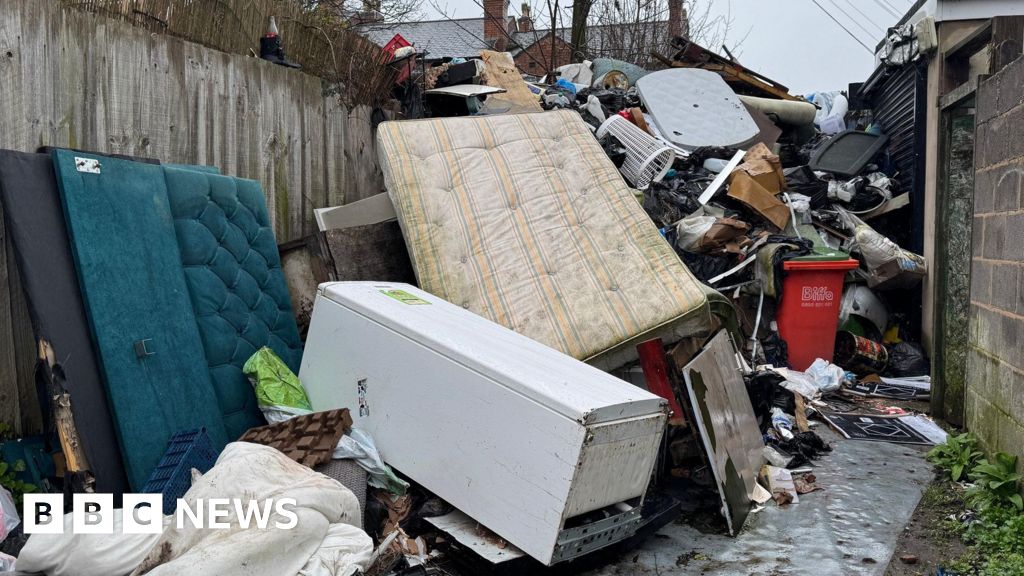

Fly-Tippers to Face Mandatory Cleanup Duty Under New Crackdown
Fly-tippers in the UK could soon be forced to spend up to 20 hours removing illegally dumped waste as part of a tough new enforcement strategy aimed at curbing the country’s growing litter crisis. The proposed community service penalties, backed by environmental agencies and local councils, mark a significant escalation in efforts to hold offenders accountable for blighting public spaces.
A Zero-Tolerance Approach
The move comes amid rising public frustration over the surge in illegal dumping, which costs taxpayers an estimated £1 billion annually in cleanup costs. Under the new measures, offenders caught discarding furniture, construction debris, or household waste in unauthorized areas would be required to personally clear the mess they created—or face steeper fines and potential prosecution.
Local authorities, working alongside the Environment Agency, have pushed for stricter penalties after years of ineffective deterrents. “Fly-tipping isn’t just an eyesore—it’s a serious environmental hazard,” said a spokesperson for the Local Government Association. “Making offenders clean up their own waste sends a clear message: if you dump it, you’ll be held directly responsible.”
Why the Crackdown Matters
Fly-tipping has surged by nearly 30% in the past five years, with rural roadsides, abandoned lots, and even residential streets increasingly treated as illegal landfills. The problem worsened during the pandemic, as waste disposal centers closed and some households resorted to unlicensed operators to avoid fees.
Beyond the financial burden, dumped waste often contains toxic materials that contaminate soil and waterways. Wildlife groups have reported cases of animals injured by discarded sharp objects or trapped in plastic waste. Meanwhile, communities in hotspot areas say the persistent litter undermines neighborhood pride and attracts further antisocial behavior.
How Enforcement Would Work
Under the proposed system, offenders would be issued cleanup orders alongside existing fines, which can reach £1,000 for minor cases or unlimited penalties for severe violations. Council enforcement officers and private landowners would be empowered to report incidents, with courts determining the hours of service based on the severity of the offense.
Critics argue that tracking down offenders remains a challenge, given the frequent use of unregistered vehicles and false identities. However, advocates counter that increased surveillance, including CCTV in known dumping zones, has already led to a rise in prosecutions. “Naming and shaming offenders, combined with hands-on consequences, could be a game-changer,” said a waste management expert.
Public Reaction and Challenges
While the plan has drawn broad public support, some question its practicality. “Will councils really follow through, or is this just another empty threat?” asked one resident in a fly-tipping hotspot in Manchester. Others warn that without accessible, affordable waste disposal options, the underlying causes of illegal dumping will persist.
Local authorities acknowledge the need for better infrastructure but insist punitive measures must go hand-in-hand with education and convenience. Several councils are piloting free bulky waste collection days and mobile recycling units to reduce incentives for illegal disposal.
Future Implications
If successful, the policy could set a precedent for other countries grappling with similar waste crises. The UK’s approach mirrors strategies in places like Singapore, where strict enforcement has kept littering rates low. However, experts caution that long-term success hinges on consistent enforcement and cultural shifts in public attitudes toward waste.
For now, the threat of cleanup duty serves as a stark warning. As one council leader put it: “If you dump your trash where it doesn’t belong, be prepared to pick it up—or pay the price.”
