


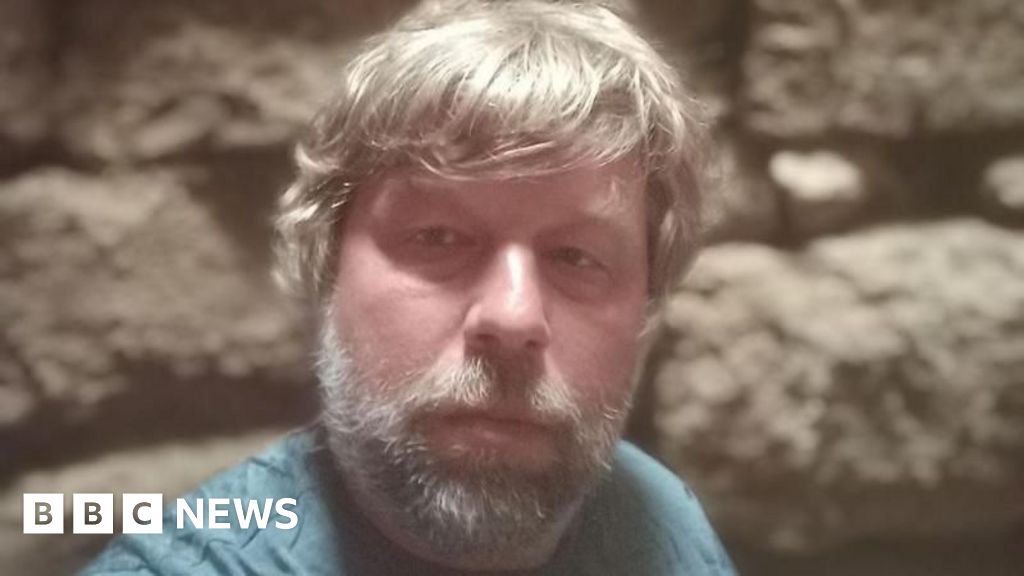

Global Tensions Rise as Russian Archaeologist Faces Charges Over Illegal Crimea Excavations
The contested sands of Crimea have once again become a flashpoint in the simmering conflict between Russia and Ukraine, as a prominent archaeologist stands accused of violating international law in a case that underscores the peninsula’s volatile status as both a cultural treasure and a geopolitical battleground.
The Allegations and Their Immediate Impact
Dr. Alexander Butyagin, a Russian archaeologist affiliated with the Hermitage Museum in St. Petersburg, has been charged by Ukrainian authorities with conducting illegal excavations in Crimea. The peninsula, internationally recognized as part of Ukraine but under Russian control since its 2014 annexation, remains a disputed territory where cultural heritage has become entangled with political strife.
Ukrainian prosecutors allege that Butyagin led unauthorized digs at ancient Greek and Scythian sites, potentially damaging irreplaceable artifacts. If convicted in absentia—since Russia does not recognize Ukrainian jurisdiction over Crimea—he could face fines or imprisonment. Moscow has dismissed the charges as politically motivated, further straining diplomatic relations.
Crimea: A Contested Historical Crossroads
Crimea’s rich archaeological heritage spans millennia, from Greek colonies to medieval Tatar settlements. However, since Russia’s annexation, the region has seen a surge in excavations led by Russian institutions, raising concerns among international scholars about the politicization of archaeology. UNESCO has repeatedly condemned the removal of artifacts from occupied territories, citing the 1954 Hague Convention, which prohibits cultural property destruction during conflicts.
Ukraine asserts that Russia is exploiting Crimea’s history to legitimize its occupation, while Russian officials frame their work as preserving heritage. The Butyagin case exemplifies this clash, with Kyiv accusing Moscow of “cultural looting” and Russia defending the digs as academic pursuits.
Why This Matters Beyond Crimea
The controversy transcends archaeology, touching on broader issues of sovereignty, international law, and cultural preservation in conflict zones.
- Legal Precedents: The case tests the enforcement of international law in occupied territories. If Ukraine’s charges gain traction, it could set a precedent for prosecuting similar actions in other disputed regions, from Western Sahara to the South China Sea.
- Diplomatic Fallout: The dispute exacerbates tensions between Moscow and Kyiv at a time when Western support for Ukraine remains critical. It also complicates cultural exchanges, with European museums now scrutinizing collaborations with Russian institutions.
- Heritage at Risk: Unregulated excavations threaten to erase evidence of Crimea’s multicultural past, a loss not just for Ukraine but for global history.
Global Reactions and Scholarly Concerns
The international academic community is divided. Some Western archaeologists have boycotted Russian-led projects in Crimea, while others, wary of politicizing science, call for dialogue. The European Association of Archaeologists has urged compliance with UNESCO protocols, but enforcement remains elusive.
Meanwhile, Ukrainian scholars, barred from accessing Crimean sites, warn of a “historical blackout.” “This isn’t just about stones and pottery—it’s about who gets to write Crimea’s story,” said Dr. Kateryna Kovalenko, a Kyiv-based archaeologist.
The Human Cost of Cultural Conflict
Behind the legal and political rhetoric are local researchers and communities caught in the crossfire. Crimean Tatar activists, who view the peninsula as their ancestral homeland, accuse both sides of neglecting their heritage. “Our history is being dug up and weaponized,” said activist Alim Aliev. “We’re losing our connection to the land.”
A Microcosm of a Larger Struggle
The Butyagin case mirrors wider patterns of cultural appropriation in wartime, from ISIS’s destruction of Palmyra to Azerbaijan’s erasure of Armenian monuments in Nagorno-Karabakh. In an era where history is increasingly instrumentalized, the fight over Crimea’s past reflects a global battle over truth, memory, and identity.
As the world watches, the sands of Crimea continue to shift—not just under the boots of soldiers, but beneath the trowels of archaeologists whose work, once a pursuit of knowledge, has become another front in a relentless geopolitical war.
