


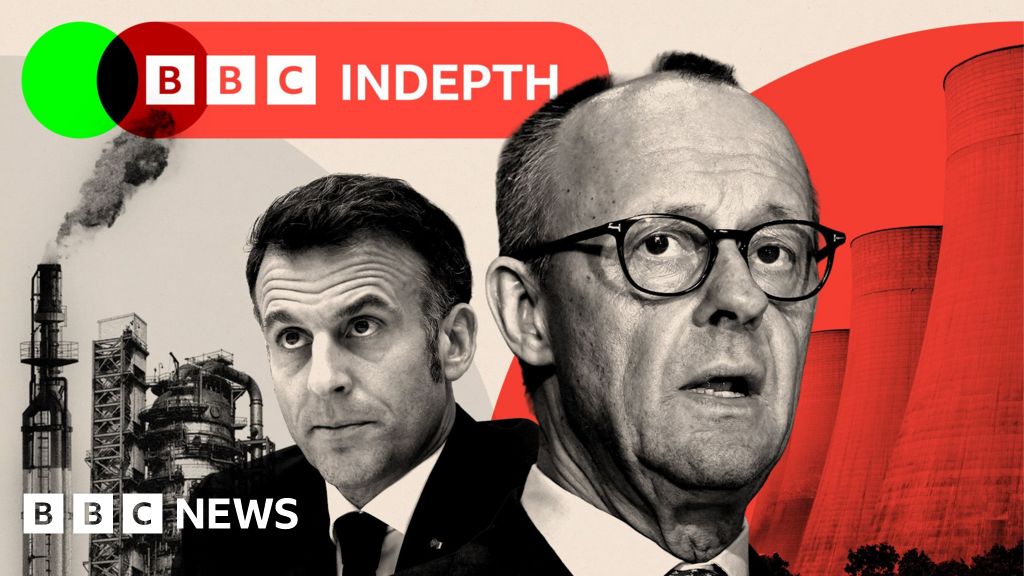

Global Energy Crisis Deepens as Middle East Conflict Sparks Calls for EU Policy Overhaul
A Ticking Time Bomb for Europe’s Energy Security
The Middle East conflict has sent shockwaves through global energy markets, reigniting fears of supply disruptions and price volatility. As tensions escalate, European leaders are scrambling to mitigate the economic fallout, with Italy’s Prime Minister Giorgia Meloni leading calls for urgent reforms to the EU’s carbon pricing system. The crisis threatens to destabilize an already fragile energy landscape, raising critical questions about Europe’s long-term energy resilience.
Meloni’s Push to Suspend EU Carbon Pricing
Last week, Italian Prime Minister Giorgia Meloni urged the European Union to temporarily suspend the Emissions Trading System (ETS) for electricity production, warning that the Middle East conflict could exacerbate energy price spikes. The ETS, a cornerstone of EU climate policy, imposes costs on carbon emissions, but critics argue it inflates electricity bills—especially during geopolitical crises.
Meloni’s appeal reflects growing unease among European leaders as energy costs strain households and industries. With winter approaching and global oil markets on edge, the debate over balancing climate goals with economic stability has reached a boiling point.
Why the Middle East Crisis Matters for Global Energy
The conflict’s ripple effects extend far beyond regional borders. The Middle East supplies nearly a third of the world’s oil, and any prolonged instability could trigger fuel shortages and price surges. Europe, still recovering from the energy shocks of the Ukraine war, faces renewed pressure to secure alternative supplies.
Meanwhile, the U.S. and China—the world’s top energy consumers—are closely monitoring the situation, with potential implications for inflation and trade. If the crisis escalates, developing nations reliant on imported fuel could face severe economic strain, worsening global inequality.
A Test for Europe’s Green Transition
The EU has long championed aggressive climate policies, but geopolitical turmoil is forcing a reckoning. The ETS, designed to curb emissions by making polluters pay, now faces scrutiny as leaders weigh short-term economic survival against long-term environmental goals.
Germany and France have yet to endorse Meloni’s proposal, signaling a potential rift within the bloc. Some experts warn that suspending carbon pricing could undermine the EU’s credibility on climate action, while others argue flexibility is necessary to prevent economic collapse.
Global Reactions and Market Jitters
Oil prices have surged since the conflict began, with Brent crude briefly topping $90 a barrel. Analysts fear further disruptions could push prices even higher, reigniting inflation fears in Western economies. Gas markets are also on high alert, as any spillover into key transit routes like the Strait of Hormuz could disrupt liquefied natural gas (LNG) shipments.
In Asia, major importers like Japan and India are bracing for potential supply shocks. Meanwhile, Russia—already under Western sanctions—could exploit the turmoil to strengthen its energy leverage, complicating efforts to isolate Moscow economically.
What Happens Next?
The EU must now decide whether to prioritize immediate energy affordability or stay the course on emissions reduction. The European Commission is expected to review Meloni’s proposal in the coming weeks, but divisions among member states could delay action.
Beyond Europe, the crisis underscores the fragility of global energy systems. If diplomacy fails to de-escalate tensions, nations may be forced into reactive policies—stockpiling reserves, rationing supplies, or even delaying climate targets.
A Defining Moment for Energy and Security
The Middle East conflict has exposed the precarious balance between energy security and climate policy. As winter looms and markets remain volatile, leaders worldwide must navigate an increasingly complex landscape—one where geopolitical instability can upend economies overnight.
For Europe, the stakes couldn’t be higher. The choices made in the coming weeks will shape not only energy prices but also the continent’s strategic future. In a world where energy is power, the crisis serves as a stark reminder: global security and economic stability are inextricably linked. Failure to act decisively could leave millions in the cold—both literally and politically.
