



Qatar Investigates “Extensive Damage” at Energy Site Amid Escalating Tensions with Iran
A Sudden Escalation in the Gulf
The Persian Gulf, a strategic artery for global energy supplies, became a flashpoint of conflict this week as Qatar reported “extensive damage” to a critical energy site. The incident occurred in the wake of growing tensions between Iran and its Gulf neighbors, with Tehran retaliating for what it claims was an attack on its gas fields. This escalation has sent shockwaves through the international community, raising concerns about the stability of one of the world’s most vital energy corridors.
The Incident: What Happened?
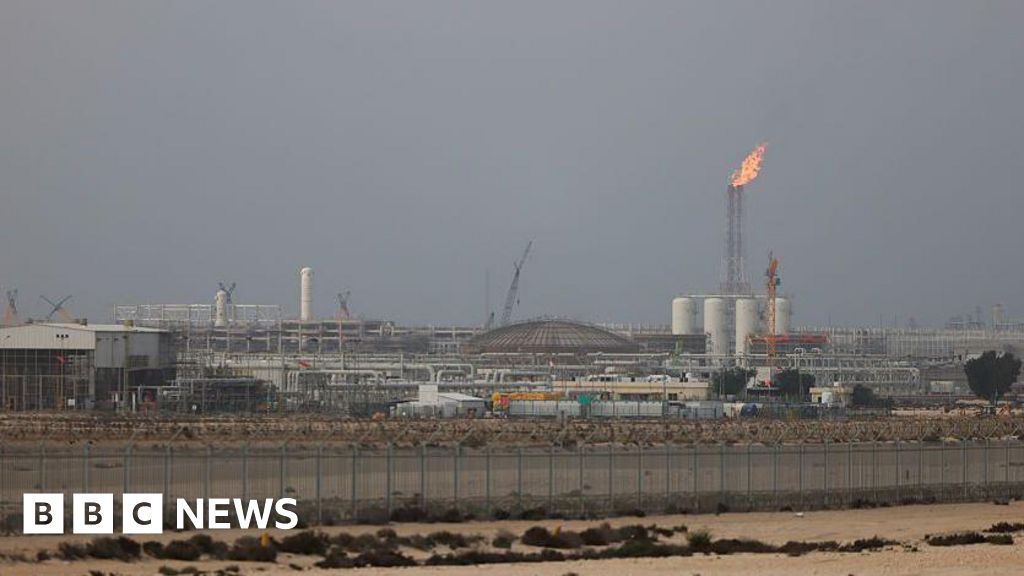
Qatari authorities have launched an investigation into the damage inflicted on an undisclosed energy facility, believed to be part of the country’s vast natural gas infrastructure. While details remain scarce, preliminary reports suggest that the site was targeted in a sophisticated operation, likely involving drones or missiles. The Qatari government has stopped short of directly accusing Iran, but the timing and nature of the incident point to a deliberate act of retaliation.
Iran’s actions come in response to what it describes as an unprovoked attack on its South Pars gas field, the largest natural gas field in the world, which it shares with Qatar. Tehran has blamed unnamed “hostile forces” for the earlier incident, though no group or nation has claimed responsibility. The South Pars field is a cornerstone of Iran’s energy economy, and any disruption to its operations carries significant geopolitical and economic implications.
Global Context: Why This Matters
The Persian Gulf is a linchpin of the global energy market, with approximately 20% of the world’s oil and a significant portion of its liquefied natural gas (LNG) passing through its waters. Qatar, in particular, is the world’s largest exporter of LNG, supplying energy to countries across Asia, Europe, and beyond. Any disruption to its infrastructure could have far-reaching consequences, potentially leading to price spikes, supply shortages, and increased geopolitical instability.
This latest incident also underscores the fragile state of relations between Iran and its Gulf neighbors. Tensions have simmered for years, fueled by territorial disputes, competing energy interests, and broader regional rivalries. The United States and its allies have long sought to counter Iranian influence in the region, while Tehran has accused Gulf states of complicity in economic sanctions and military provocations.
The Human Cost: Beyond the Headlines
While the focus has been on the geopolitical implications, the incident also highlights the human cost of such conflicts. Workers at the damaged Qatari site were reportedly evacuated safely, but the psychological toll on employees and their families is significant. The Persian Gulf is home to millions of expatriates who work in the energy sector, and any escalation in hostilities puts their safety at risk.
Moreover, the broader regional population could feel the ripple effects of this crisis. Energy disruptions could lead to power shortages, economic instability, and increased living costs in countries reliant on Gulf imports. For Iran, already grappling with severe economic challenges due to international sanctions, further disruptions to its energy sector could exacerbate domestic unrest.
International Reactions: A Delicate Balancing Act
The international community has reacted cautiously to the incident. The United States, a key ally of Qatar, has called for calm and urged all parties to avoid further escalation. European nations, heavily dependent on Gulf energy supplies, have echoed similar sentiments, emphasizing the need for diplomatic solutions.
Meanwhile, Russia and China have seized the opportunity to position themselves as mediators, calling for dialogue and highlighting the dangers of unchecked provocations. The United Nations has also weighed in, urging restraint and warning of the potential for a wider conflict.
However, diplomatic efforts are complicated by long-standing alliances and rivalries. The Gulf Cooperation Council (GCC), a regional bloc led by Saudi Arabia, has traditionally been wary of Iranian influence, while Tehran views the GCC as a proxy for Western interests. Navigating these fault lines will require deft diplomacy and a commitment to de-escalation.
Looking Ahead: What’s Next?
The immediate focus will be on assessing the extent of the damage and its impact on Qatar’s energy exports. Experts warn that even minor disruptions in the Gulf can have outsized effects on global markets, given the region’s centrality to the energy supply chain.
Longer-term, the incident underscores the need for stronger regional security frameworks and mechanisms for conflict resolution. Without meaningful dialogue, the risk of further escalations remains high, with potentially devastating consequences for global stability.
A Call for Calm in a Volatile Region
As the world watches anxiously, the unfolding crisis in the Persian Gulf serves as a stark reminder of the fragility of global security in an interconnected world. The stakes are immense: not just for the nations directly involved, but for economies and populations far beyond the region’s shores. In a moment fraught with tension and uncertainty, the international community must prioritize diplomacy and restraint, lest a localized conflict spiral into a broader crisis with irreversible consequences. The time for decisive action is now—before the next headline signals an even greater catastrophe.
