


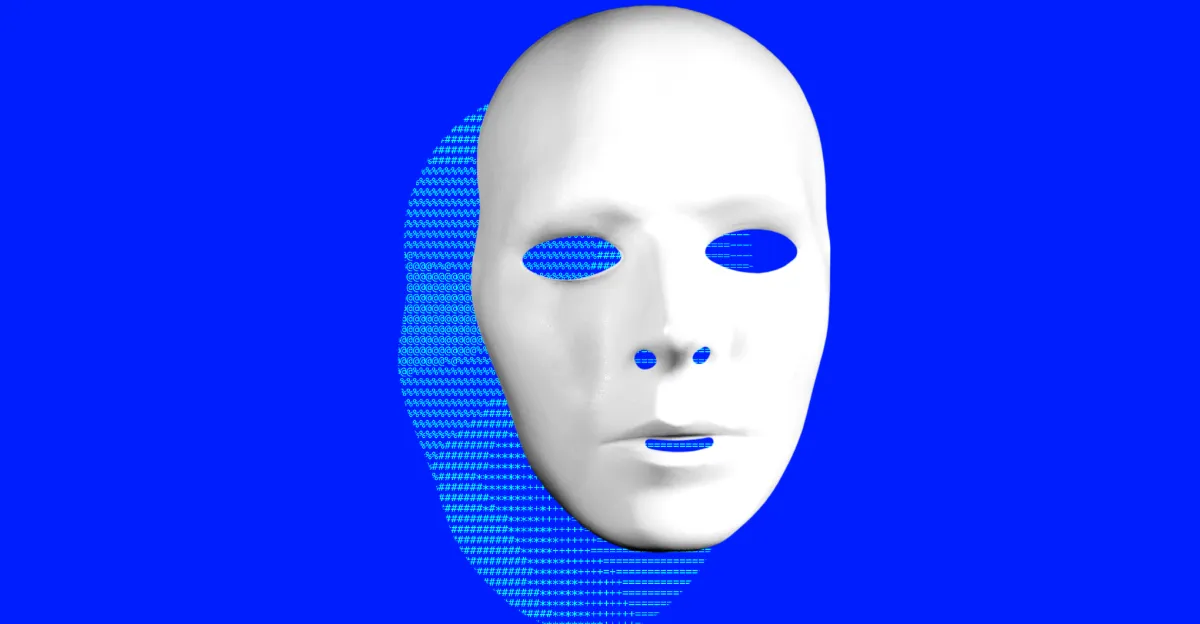

The Rise of Synthetic Stardom: AI Personality of the Year Awards Signal a New Era for Digital Influencers
By [Your Name]
Global Technology Correspondent
The Next Frontier in Digital Fame
In an era where artificial intelligence is reshaping industries, the concept of celebrity is undergoing its most radical transformation yet. The launch of the AI Personality of the Year awards marks a pivotal moment in the evolution of synthetic influencers—a booming sector that has rapidly shifted from novelty to a multi-million-dollar industry.
Backed by generative AI studio OpenArt, creator platform Fanvue, and AI voice company ElevenLabs, the competition seeks to crown the most compelling AI-generated personalities across categories like fitness, comedy, music, and fantasy. With a $20,000 prize pool and an Oscars-style gala planned for May, the event underscores the growing cultural and commercial influence of virtual beings—raising both excitement and ethical questions about authenticity in the age of artificial personas.
From Beauty Pageants to AI Stardom
This contest follows a string of high-profile AI competitions, including AI beauty pageants and music battles, reflecting the rapid mainstreaming of synthetic media. The AI influencer economy, once dismissed as a fringe experiment, now boasts stars like Spain’s Aitana Lopez, an AI model earning up to $10,000 per month, and Solomon Ray, an AI-generated gospel singer with a devoted following.
Participants must submit AI personalities developed on OpenArt’s platform, complete with social media profiles, backstories, and brand collaborations. Judges—including Emmy-winning comedy writer Gil Rief and the creators behind Aitana Lopez—will evaluate entries based on quality, social influence, brand appeal, and narrative depth. Even technical details, like ensuring AI avatars have the “correct number of fingers,” will be scrutinized.
“We’re celebrating the creative talent behind these AI influencers,” said Matt Jones, Fanvue’s head of brand, in an interview. “It’s not just about the avatar—it’s about the vision driving it.”
Anonymity and the Illusion of Authenticity
One striking feature of the competition is that creators can remain anonymous. While this protects privacy, it also fuels debates about accountability in an ecosystem already rife with fabricated personas.
AI influencers thrive on carefully crafted illusions—backstories, personalities, and even political stances—raising concerns about misuse. Past controversies include Danny Bones, an AI rapper linked to far-right groups, and Jessica Foster, a MAGA-aligned virtual persona accused of spreading propaganda. Critics argue that without transparency, synthetic influencers could deepen misinformation and reinforce harmful stereotypes.
Fanvue itself has faced backlash. Its Miss AI beauty pageant drew criticism for perpetuating unrealistic beauty standards, with one Guardian columnist calling it a “bundle of toxic gendered norms.” Jones acknowledges these concerns but insists that creators inevitably imprint their own perspectives on AI characters. “You can’t help but put a bit of yourself into the stories you tell,” he said.
The Broader Implications of AI Fame
The rise of AI influencers signals a broader shift in digital culture. Brands increasingly favor synthetic spokespeople for their 24/7 availability, flawless aesthetics, and immunity to scandals. Meanwhile, audiences—particularly younger demographics—are embracing virtual personalities as legitimate entertainers and role models.
Yet challenges persist. Legal gray areas surround copyright and likeness rights, with some AI avatars accused of appropriating human creators’ work. There’s also the risk of homogenization, as algorithms tend to replicate existing biases, favoring conventionally attractive or marketable traits.
“AI influencers are a paradox,” says Dr. Elena Petrov, a digital ethics researcher at MIT. “They’re designed to feel authentic, yet their very existence challenges what authenticity means. The question isn’t whether they’ll replace human influencers—it’s how we navigate the blurred line between reality and simulation.”
A Glimpse Into the Future
As submissions open for the AI Personality of the Year awards, the competition is poised to spotlight the best—and most controversial—of this emerging art form. Winners will not only claim cash prizes but also validation in an industry where credibility is still being defined.
For now, the phenomenon shows no signs of slowing. Whether viewed as creative innovation or a dystopian harbinger, AI influencers are undeniably reshaping fame, storytelling, and human connection in the digital age.
As Jones puts it: “This isn’t about replacing humans. It’s about expanding what’s possible.” Whether that expansion leads to enrichment or exploitation remains to be seen.
What do you think about AI influencers? Share your thoughts with us on social media.
[Your Name] is a global technology correspondent with a focus on AI, digital culture, and the future of human-machine interaction. Follow for more in-depth reporting.
