



Asia’s Busiest Earnings Week: AI Hype Meets Economic Reality as Investors Scrutinize Corporate Performance
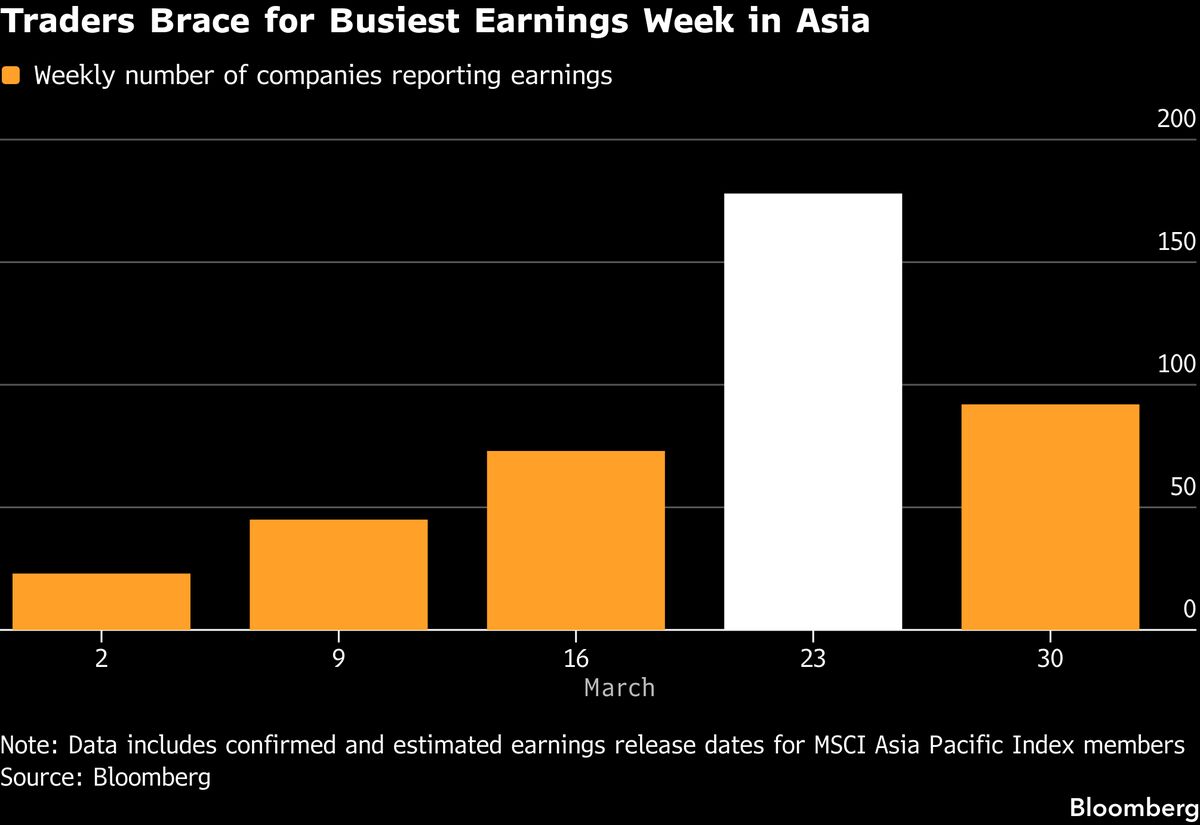
As Asia’s corporate giants unveil their latest financial results during what is widely regarded as the region’s busiest earnings week, investors and analysts are zeroing in on two critical themes: the tangible financial impact of the artificial intelligence (AI) revolution and the resilience of consumer demand in a post-pandemic economic landscape.
The flurry of earnings reports comes at a pivotal moment for global markets, with Asia’s economies navigating a complex mix of challenges and opportunities. While the AI boom has fueled investor optimism worldwide, questions linger over whether the technology is delivering measurable profits or remains more speculative in nature. At the same time, the region’s consumer-driven economies are under the microscope as households grapple with inflationary pressures and uneven economic recoveries.
AI’s Promise Under Scrutiny
The AI industry has been a magnet for investment and hype over the past year, driven by breakthroughs in generative AI and machine learning. Companies across sectors, from tech giants to manufacturing firms, have scrambled to integrate AI into their operations, promising enhanced efficiency, new revenue streams, and transformative innovations. However, this earnings season will serve as an early litmus test for whether these ambitious investments are translating into concrete financial gains.
Several major Asian tech firms, including South Korea’s Samsung Electronics, Japan’s SoftBank Group, and China’s Baidu, are expected to provide updates on their AI initiatives. Analysts will be closely watching for signs of profitability, particularly in segments such as AI-powered hardware, cloud computing, and software solutions.
Kevin Chen, a senior technology analyst at Hong Kong-based investment firm Alliance Capital, notes that while AI has undoubtedly captured imaginations, the financial returns remain uncertain. “We’re seeing a lot of excitement around AI, but the real question is whether it’s actually driving revenue growth or just inflating valuations,” Chen said. “This earnings season will be crucial in separating the hype from genuine progress.”
The stakes are particularly high for chipmakers like Taiwan Semiconductor Manufacturing Company (TSMC) and South Korea’s SK Hynix, which have positioned themselves as key players in the AI supply chain. With their advanced semiconductors powering AI applications, investors will be looking for evidence that rising demand for AI-related products is offsetting declines in traditional consumer electronics markets.
Consumer Demand: A Mixed Picture
Beyond the tech sector, investors are also assessing the strength of consumer demand across Asia’s diverse economies. The region’s recovery from the COVID-19 pandemic has been uneven, with some countries like India and Vietnam experiencing robust growth while others, including China and Japan, face more muted prospects.
In China, the world’s second-largest economy, consumer spending has been subdued amid a lingering property crisis, high youth unemployment, and weak consumer confidence. Earnings reports from retail giants like Alibaba and JD.com will offer insights into whether consumers are opening their wallets or continuing to tighten their belts.
Meanwhile, in Japan, a weaker yen and rising inflation have weighed on household spending, complicating the outlook for consumer-focused companies like Uniqlo parent Fast Retailing. Analysts will be watching for signs of a turnaround, particularly as wage growth and government stimulus measures aim to bolster domestic demand.
India, on the other hand, presents a more optimistic narrative. The country’s fast-growing middle class and expanding digital economy have fueled strong demand for everything from smartphones to luxury goods. Earnings from companies like Tata Consultancy Services and Reliance Industries will provide a snapshot of India’s economic momentum.
Broader Economic Context
The earnings bonanza unfolds against a backdrop of broader economic challenges. Rising interest rates, geopolitical tensions, and supply chain disruptions continue to weigh on corporate profitability globally. In Asia, the impact is compounded by regional-specific factors such as China’s economic slowdown, Japan’s aging population, and the ripple effects of the U.S.-China tech rivalry.
Moreover, the AI-driven rally in tech stocks this year has raised concerns about market valuations. While companies like Nvidia have seen their stock prices soar on the back of AI optimism, skeptics warn that the sector could face a reckoning if earnings fail to meet lofty expectations.
“We’re at a crossroads where the market needs to see proof that AI is more than just a buzzword,” said Linda Zhang, chief investment officer at Singapore-based Pinnacle Asset Management. “This earnings season will be a critical test for whether the AI narrative holds up under scrutiny.”
Balancing Optimism and Caution
As investors digest the deluge of earnings reports, the overarching theme is one of cautious optimism. While there are reasons to believe that AI and consumer resilience could drive growth, the path forward remains fraught with uncertainties. Companies that can demonstrate tangible progress in AI adoption and adaptability to shifting consumer trends are likely to emerge as winners.
For now, the markets are watching closely. The outcome of this earnings season could set the tone for Asia’s corporate landscape in the months ahead, shaping investor sentiment and strategic decisions across industries. As the dust settles, one thing is clear: the intersection of technology and consumer behavior will remain central to Asia’s economic narrative.
In the end, while the promise of AI and the resilience of consumers offer glimmers of hope, the true measure of success will lie in the numbers. As Asia’s corporate giants unveil their financial results, the world will be watching to see if the region can deliver on its potential—balancing ambition with pragmatism in an increasingly complex global economy.
