



Global Energy Crisis Deepens as Iran Conflict Disrupts Strait of Hormuz, Sending Oil Prices Soaring
The escalating conflict between Iran and its adversaries has plunged global energy markets into turmoil, with the blockade of the Strait of Hormuz—a vital maritime chokepoint for oil shipments—triggering a dramatic surge in crude prices. This geopolitical upheaval has sent shockwaves across industries heavily reliant on fuel, particularly aviation, as airlines brace for prolonged economic fallout. Amid rising tensions, governments worldwide are scrambling to secure energy reserves, while experts warn of broader implications for the global economy, including the specter of recession.
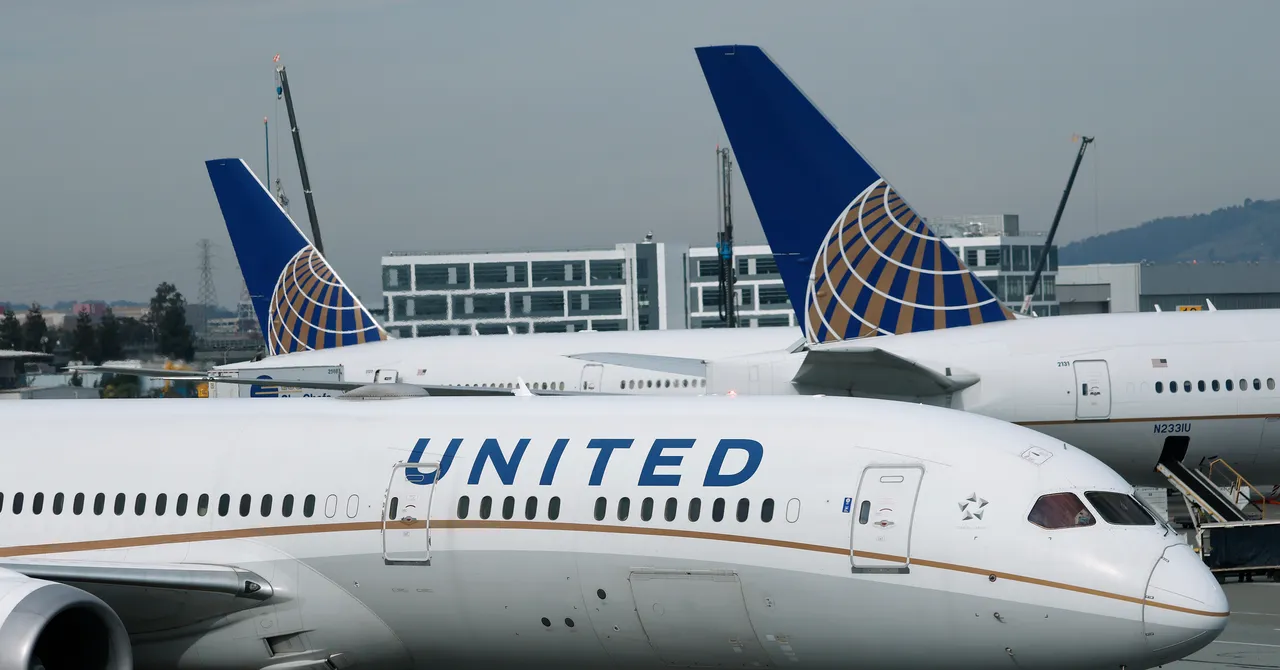
The Strait of Hormuz, located between the Persian Gulf and the Gulf of Oman, is one of the world’s most critical waterways, facilitating the transit of nearly 20% of global oil consumption. Its blockade has disrupted supply chains, causing crude oil prices to skyrocket from $70 to over $140 per barrel in just four weeks. United Airlines CEO Scott Kirby, in a stark internal memo to employees, outlined his company’s contingency plans, forecasting oil prices could soar to $175 per barrel and remain elevated above $100 until at least 2027.
This grim prediction underscores the aviation industry’s vulnerability to fluctuating fuel costs. Jet fuel, which accounts for 25-30% of airlines’ operating expenses, has already doubled in price since the conflict began. United Airlines has responded by trimming its flight schedule by 5% during the second and third quarters of 2024, focusing on off-peak periods such as overnight flights and less popular travel days like Tuesdays, Wednesdays, and Saturdays.
“There’s a good chance it won’t be that bad,” Kirby acknowledged in his memo, “but there isn’t much downside for us to prepare for that outcome.” His cautious optimism reflects the broader uncertainty shrouding the crisis, which has far-reaching implications for both the travel industry and the global economy.
Airlines as the Canary in the Coal Mine
The aviation sector is often viewed as a bellwether for economic health due to its heavy reliance on refined petroleum products. Jason Miller, a professor of supply chain management at Michigan State University, notes that air transportation ranks just below asphalt paving as the U.S. industry most dependent on refined petroleum. The spike in oil prices, coupled with geopolitical instability, threatens to erode airlines’ profitability and ripple through the broader economy.
“This would be incredibly unwelcome news to everyone who is not in the oil refining business,” Miller said. The crisis arrives at an inopportune moment, compounding existing economic challenges such as a sluggish job market and the fallout from erratic U.S. tariffs. Economists are increasingly concerned that the combination of these factors could push global markets toward recession.
The prolonged nature of the crisis has also raised alarms. Initially, many analysts expected a swift resolution, but the conflict has dragged on, prolonging uncertainty over the Strait of Hormuz’s reopening. “Hormuz may not be open for business very quickly,” Miller warned, echoing Kirby’s sober assessment.
Travel Industry Feels the Heat
The impact of rising fuel costs is already being felt across the aviation sector. Last week, American Airlines CEO Robert Isom revealed that the company had spent an additional $400 million on fuel due to the price surge. Despite strong demand for air travel in recent weeks—United Airlines reported record booking revenues over the past 10 weeks—experts caution that this spike may reflect travelers’ haste to lock in plans before prices climb further rather than genuine enthusiasm for travel.
“If oil prices remain high, we’re certainly going to be nimble in terms of capacity to ensure supply and demand stay in balance,” Isom said. This balancing act highlights the aviation industry’s precarious position as it navigates fluctuating demand and escalating costs.
The long-term outlook remains uncertain, hinging on how long oil prices stay elevated and how quickly geopolitical tensions ease. Ahmed Abdelghany, a professor of airline operations at Embry-Riddle Aeronautical University, emphasized the compounding complexity of prolonged uncertainty. “The longer it goes, the more problematic it becomes for airlines,” he said.
Broader Implications for the Global Economy
Beyond aviation, the energy crisis threatens to destabilize industries ranging from manufacturing to transportation, while rising fuel costs could drive inflation higher, squeezing consumers and businesses alike. Governments dependent on oil imports are under increasing pressure to secure alternative energy sources, while exporters grapple with the dual challenges of volatile prices and disrupted trade routes.
The Strait of Hormuz’s strategic significance cannot be overstated. Its closure not only disrupts oil flows but also destabilizes global energy markets, raising the stakes for diplomatic efforts to resolve the Iran conflict. Without a swift resolution, the crisis could exacerbate existing economic vulnerabilities, casting a long shadow over global recovery efforts.
As the world watches and waits, the aviation industry’s response serves as a microcosm of broader economic challenges. While United Airlines’ contingency measures reflect a pragmatic approach to uncertainty, they also underscore the fragility of industries reliant on stable energy markets. The crisis’s duration and severity will ultimately determine its impact on airlines, passengers, and the global economy.
In a world already grappling with economic headwinds, the Iran conflict and its fallout serve as a stark reminder of the interconnectedness of geopolitics and global trade. As industries adapt to the new reality, the path forward remains uncertain—balancing cautious optimism with urgent preparedness.
