



Cheshire New Town Plan Faces Backlash as Critics Label It “Wrong Proposal in the Wrong Place”
A controversial proposal to build a new town in Cheshire, England, has ignited fierce opposition from local residents, environmental groups, and planning experts, who have branded the project the “wrong proposal in the wrong place.” The plan, spearheaded by the Cheshire East Council, aims to address housing shortages and economic growth in the region but has been met with skepticism over its potential environmental impact and suitability.
The proposed development, which would see the construction of thousands of homes, schools, and commercial spaces, is situated in a predominantly rural area near Middlewich. Critics argue that the site is ill-suited for such a large-scale project, citing concerns over the loss of greenbelt land, increased traffic congestion, and strain on local infrastructure. The project has also raised alarm bells about its potential impact on biodiversity, as the area is home to several protected species and habitats.
“Cheshire’s countryside is a precious resource, and building a new town here would irreversibly damage the environment,” said Helen Green, spokesperson for the Cheshire Greenbelt Alliance, a local environmental advocacy group. “This is not just about preserving the landscape; it’s about protecting the quality of life for residents and ensuring sustainable development.”
The Cheshire East Council has defended the plan, emphasizing the urgent need for affordable housing in the region. Councillor David Thompson, who chairs the council’s planning committee, stated, “We are facing a housing crisis, and this development is a necessary step to meet the demands of our growing population. We are committed to balancing development with environmental considerations.”
However, critics argue that the council’s approach misses the mark. They contend that the proposed location is too remote from existing urban centers, making it impractical for residents who rely on public transportation and local amenities. Additionally, they question whether the project will truly address the housing crisis, as many of the planned homes are expected to be higher-end properties rather than affordable housing.
The controversy has also drawn attention to the broader issue of greenbelt development in England. Greenbelt land, which is designated to prevent urban sprawl and protect the countryside, has increasingly come under threat as local authorities grapple with housing shortages. Over the past decade, several greenbelt sites have been approved for development, sparking debates about the balance between economic growth and environmental preservation.
“This isn’t just a local issue; it’s a national one,” said Dr. Michael Harris, an urban planning expert at the University of Manchester. “The way we approach housing development will have long-term consequences for our environment and communities. We need to rethink how and where we build.”
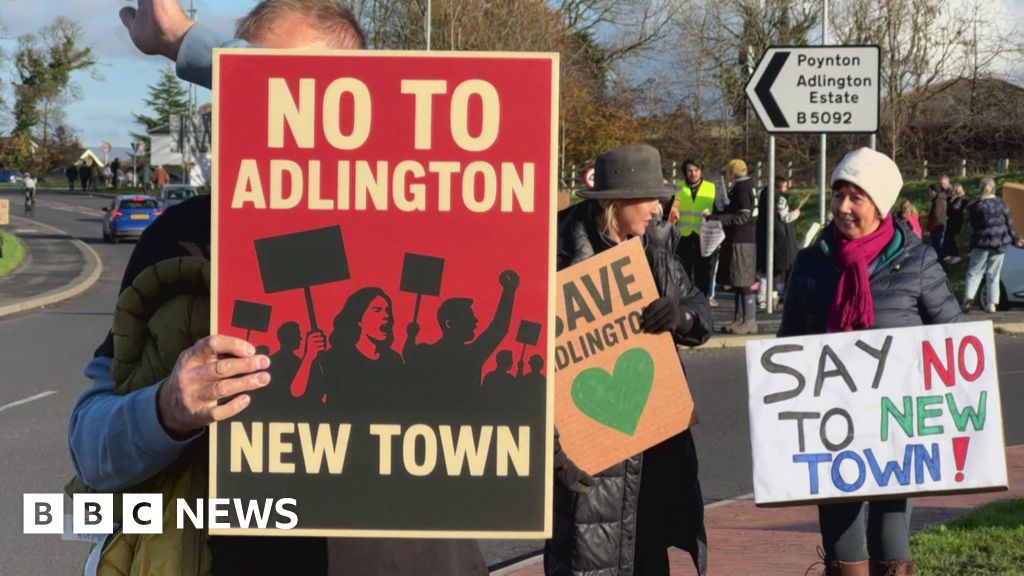
Local residents have also voiced their frustrations, organizing protests and petitions to halt the project. Many feel that their concerns have been overlooked by the council, which they accuse of prioritizing developers over the community. “We’re not against progress, but this plan is being pushed through without proper consultation,” said Sarah Bennett, a Middlewich resident and organizer of the “Save Cheshire Countryside” campaign.
The Cheshire East Council has announced plans to hold a series of public consultations in the coming months, but critics remain skeptical. They argue that the council has already made up its mind and that the consultations will be little more than a formality.
As the debate continues, the future of the Cheshire new town project remains uncertain. The council’s decision will likely hinge on whether it can address the mounting opposition while staying true to its goals. Meanwhile, the controversy has sparked a broader conversation about sustainable development and the preservation of green spaces in an era of rapid urbanization.
Looking ahead, the outcome of this battle could set a precedent for similar projects across the UK. If the Cheshire new town goes ahead, it may embolden other councils to push forward with greenbelt developments, despite public resistance. Conversely, if the project is scrapped or significantly revised, it could signal a shift toward more environmentally conscious planning policies.
For now, the people of Cheshire and their allies remain determined to protect their countryside. Their fight underscores the challenges of balancing growth and conservation in a world increasingly shaped by urban expansion.
