



Fuel Rationing in Slovenia Sparks Fears of Wider Energy Crisis in Europe
Ljubljana, Slovenia – In a move that has sent ripples across Europe, Slovenia has imposed strict fuel rationing, limiting motorists to just 50 litres of petrol or diesel per day. The sudden restrictions come amid growing concerns over global energy instability, raising fears that other nations may soon follow suit as supply chains falter and geopolitical tensions escalate.
A Sudden and Sweeping Measure
The Slovenian government announced the fuel cap without prior warning, citing “temporary logistical disruptions” as the primary reason. While officials have downplayed the long-term implications, analysts warn that the decision could signal deeper vulnerabilities in Europe’s energy infrastructure.
“This isn’t just about Slovenia—it’s a symptom of a much larger problem,” said energy expert Dr. Elena Kovac. “Supply chains are under strain, reserves are dwindling, and any further disruptions could trigger a domino effect across the continent.”
Global Context: A Perfect Storm of Instability
Slovenia’s fuel restrictions arrive at a precarious moment for global energy security. The ongoing war in Ukraine continues to disrupt oil and gas exports, while Houthi attacks on shipping in the Red Sea have forced rerouted deliveries, increasing costs and delays. Meanwhile, refinery outages in the U.S. and OPEC+ production cuts have tightened supplies worldwide.
Europe, still recovering from the energy shocks of 2022, remains particularly vulnerable. Countries like Germany and Hungary have already reintroduced fuel subsidies to ease public frustration, but Slovenia’s rationing suggests more drastic steps may be on the horizon if conditions worsen.
Why This Matters Beyond Slovenia
Fuel rationing is rare in peacetime Europe, making Slovenia’s decision a potential harbinger of broader crises. If sustained, such measures could:
- Disrupt trade and logistics, increasing costs for businesses and consumers.
- Heighten political tensions, as governments face pressure to secure energy supplies.
- Accelerate inflation, complicating central banks’ efforts to stabilize economies.
“The last thing Europe needs right now is another energy crisis,” said geopolitical analyst Marko Vukovic. “But with conflicts raging in multiple regions and global supply chains under siege, contingency plans are being tested like never before.”
Public Reaction and Economic Fallout
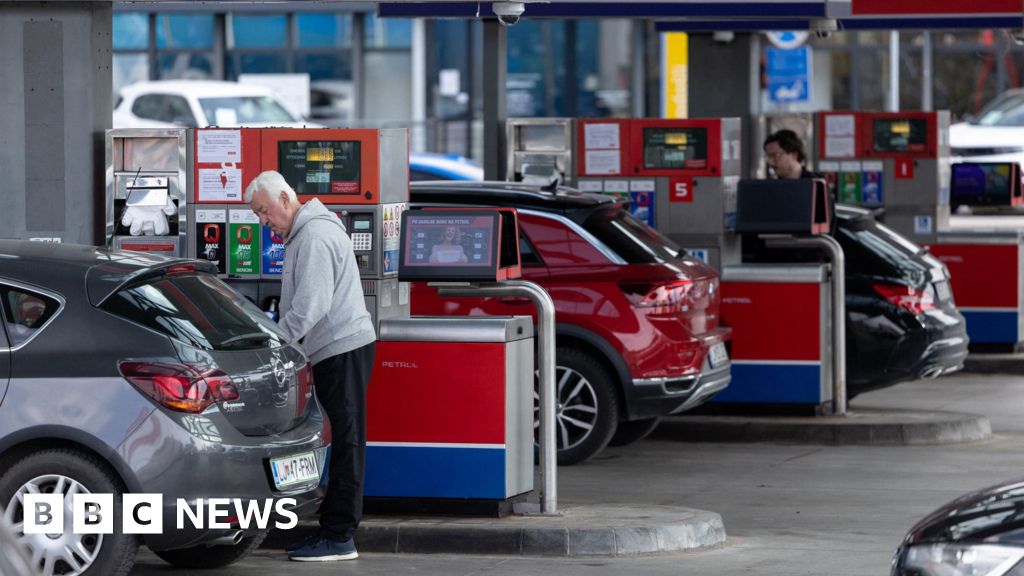
Within Slovenia, the announcement has sparked frustration and confusion. Long queues formed at petrol stations within hours of the decree, with some drivers stockpiling fuel in anticipation of further restrictions.
“Fifty litres might sound like a lot, but for truckers or delivery drivers, it’s barely enough to operate,” complained one Ljubljana-based transport worker. Small businesses, particularly in agriculture and freight, fear the limits could cripple operations if prolonged.
Economists warn that even short-term rationing could dent Slovenia’s GDP, which relies heavily on cross-border trade. Neighboring Austria, Croatia, and Italy are monitoring the situation closely, wary of spillover effects on regional commerce.
A Test of Europe’s Resilience
The European Commission has yet to issue an official response, but behind the scenes, emergency discussions are reportedly underway. The bloc’s reliance on Russian energy has diminished since 2022, but alternative suppliers—from Norway to the Middle East—are now grappling with their own constraints.
Some experts argue that Slovenia’s move could prompt other nations to preemptively conserve fuel, triggering a wave of similar policies. Others believe strategic reserves and diversified imports will prevent a wider meltdown.
“Europe has learned hard lessons from past energy shocks,” noted Claudia Weber, a senior fellow at the European Council on Foreign Relations. “But the system is only as strong as its weakest link—and right now, every nation is watching Slovenia with concern.”
The Road Ahead
For now, Slovenian officials insist the rationing is temporary, linked to a “technical delay” in deliveries rather than a systemic shortage. Yet with no clear timeline for normalization, skepticism is growing.
Global markets, already jittery over Middle Eastern volatility and fluctuating oil prices, will scrutinize whether this is an isolated incident or the first sign of a deeper crisis. For ordinary citizens, the implications are immediate: higher costs, tighter budgets, and the unsettling sense that stability is slipping away.
Conclusion: A Warning Sign for the World
Slovenia’s fuel cap may seem like a minor regulatory tweak, but in the fraught landscape of modern geopolitics, it carries disproportionate weight. As wars rage, supply chains fracture, and nations scramble to adapt, the episode serves as a stark reminder of how fragile global energy security remains.
The coming weeks will reveal whether this is a temporary hiccup or the opening act of a broader emergency. One thing, however, is certain: in an interconnected world, no nation is truly insulated from the shocks of war and scarcity. The question now is who will be next.
