



Stranded Whale Sparks Global Concerns Over Marine Safety and Environmental Crises
Lübeck Bay, Germany – October 2023
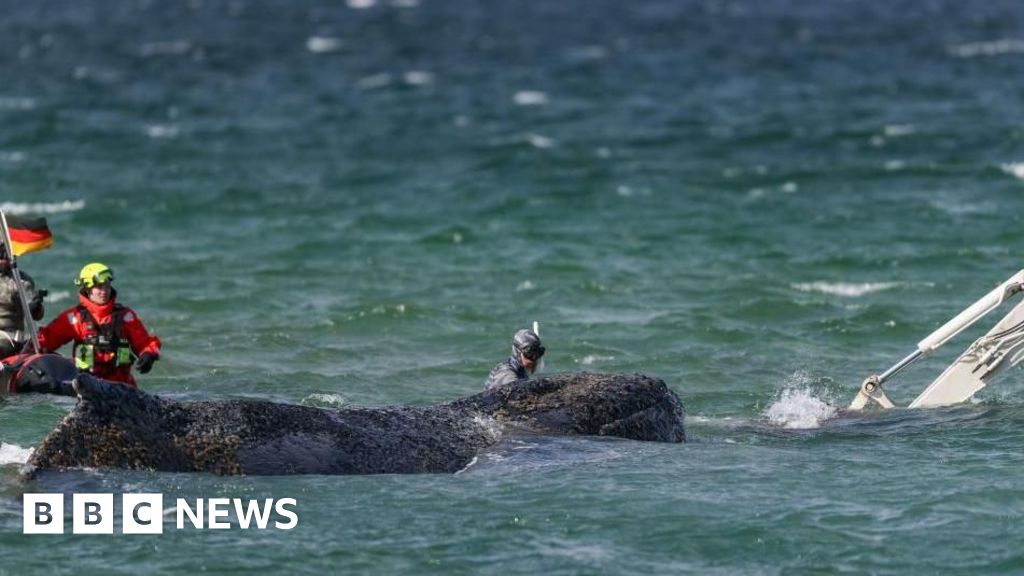
In a dramatic scene that has captured global attention, a massive marine mammal has been stranded on a sandbank in Lübeck Bay, Germany, since Monday. The sighting of the distressed whale, struggling against the elements, has not only alarmed local residents but also reignited urgent global conversations about marine conservation, climate change, and the increasing vulnerability of ocean ecosystems. As rescue efforts intensify, the incident serves as a stark reminder of the interconnected challenges facing humanity in an era of environmental uncertainty.
The Incident: A Race Against Time
The stranded whale was first spotted by a local fisherman on Monday morning, who immediately alerted authorities. Rescue teams, including marine biologists, veterinarians, and environmental organizations, have since mobilized to save the creature. Initial reports suggest that the whale, believed to be a humpback or fin whale, may have been disoriented due to changing ocean currents or navigational errors caused by underwater noise pollution.
Efforts to free the whale have been fraught with challenges. The sandbank’s shallow waters make it difficult for large vessels to approach, and the whale’s immense size—estimated at over 15 meters—has added complexity to the operation. Specialized equipment and coordination among international marine rescue teams are being deployed to ensure the animal’s survival. “Every minute counts,” said Dr. Elena Müller, a marine biologist leading the rescue operation. “Whales are incredibly sensitive creatures, and prolonged stranding can lead to severe dehydration, organ failure, or even death.”
Global Context: A Growing Crisis
This incident is not an isolated event but part of a troubling global trend. Over the past decade, whale strandings have increased significantly, with notable cases reported in New Zealand, Australia, and the United States. According to the International Whaling Commission (IWC), rising ocean temperatures, plastic pollution, and disruptions in marine ecosystems are contributing factors. Industrial activities such as offshore drilling, shipping, and military sonar use have also been linked to disturbances in whale migration patterns.
The plight of marine mammals has broader implications for global biodiversity. Whales play a crucial role in maintaining ocean health by regulating marine food chains and sequestering carbon dioxide. Their decline could have cascading effects on marine ecosystems, exacerbating climate change and threatening food security for millions of people who rely on fisheries.
Why This Matters: A Symptom of Larger Woes
The stranded whale in Lübeck Bay is more than just a local incident; it is a microcosm of the environmental and geopolitical challenges facing the world today. Experts argue that the increasing frequency of marine strandings reflects the accelerating impact of human activity on the planet’s oceans.
For Germany, the incident has sparked renewed debate over the country’s environmental policies, particularly its reliance on offshore wind farms and their potential impact on marine life. Globally, it underscores the need for cohesive international action to address marine pollution, climate change, and habitat destruction. “This whale’s struggle is a wake-up call,” said Dr. James Carter, an environmental scientist at the University of Cambridge. “If we don’t act now, we risk losing not just these majestic creatures but the delicate balance of our planet’s ecosystems.”
Human Stories: A Community United
The stranding has also brought together the local community in an unprecedented display of solidarity. Hundreds of volunteers have joined rescue efforts, offering everything from logistical support to emotional encouragement. Social media platforms have been flooded with messages of hope and concern, with hashtags like #SaveLübeckBayWhale trending globally.
For many residents, the incident has been deeply personal. “It’s heartbreaking to see such a magnificent creature suffer,” said Anna Schmidt, a Lübeck resident who has been following the rescue operation closely. “But it’s also inspiring to see so many people come together to help. It gives me hope that we can make a difference.”
The Road Ahead: Lessons and Legacy
As rescue teams continue their efforts, the stranded whale serves as a poignant symbol of the challenges and opportunities facing humanity in the 21st century. The incident highlights the urgent need for comprehensive marine conservation strategies, international cooperation, and public awareness.
Governments, NGOs, and individuals must work together to address the root causes of marine distress, from reducing greenhouse gas emissions to curbing plastic waste. Investments in research and technology are also critical to better understand and mitigate the impact of human activity on marine life.
Conclusion: A Call to Action
The stranded whale in Lübeck Bay is a story of struggle, resilience, and hope. It reminds us of the fragility of marine ecosystems and the profound consequences of our actions on the planet. As the world watches this unfolding drama, it is imperative that we seize this moment to rethink our relationship with the oceans and take meaningful steps toward a more sustainable future.
In the words of Dr. Müller, “This whale’s fight for survival is our fight too. If we fail, we risk losing more than just a single life—we risk losing the very essence of our planet’s biodiversity.” The clock is ticking, and the world must act now to ensure that such tragedies become a thing of the past.
