


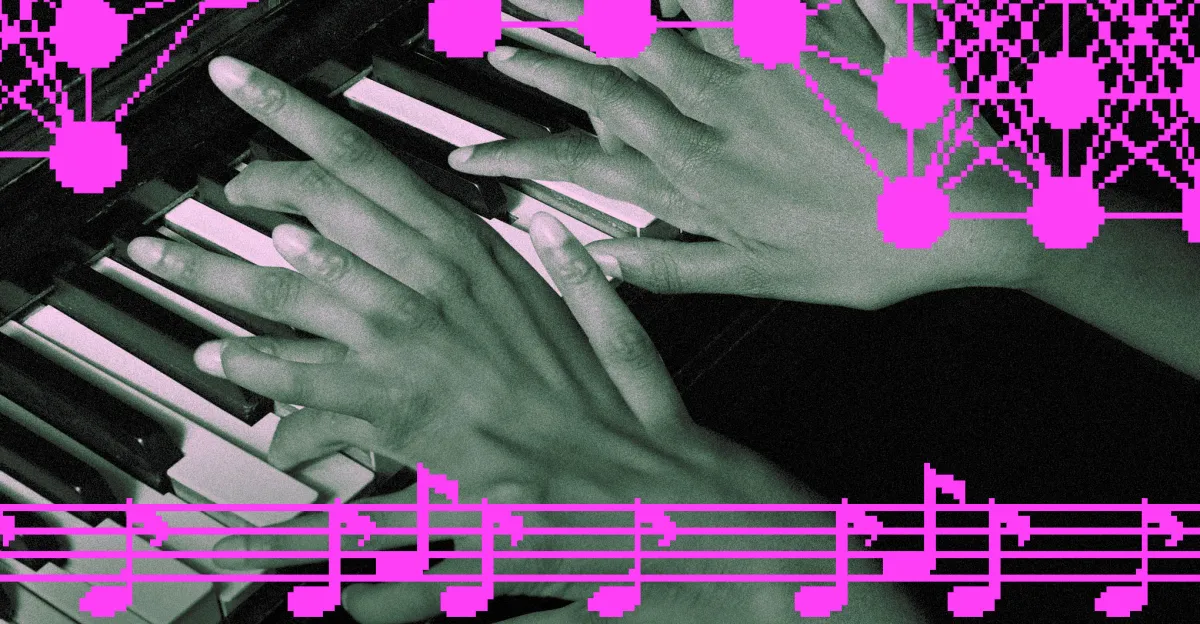

The AI Music Revolution: Innovation, Controversy, and the Future of Sound
As artificial intelligence continues to reshape industries worldwide, its impact on music has sparked both awe and apprehension. AI-generated music, once a niche experiment, is now a pervasive force, influencing everything from songwriting and production to playlisting and distribution. Yet, as this technology infiltrates the creative world, it raises profound questions about artistry, authenticity, and the very definition of music itself. Can machines truly create art? Or is AI merely churning out soulless outputs that threaten the livelihoods of human musicians?
The rapid advancement of AI music tools has left audiences and industry professionals grappling with these dilemmas. A recent survey revealed that 97% of listeners struggle to distinguish between AI-generated music and human-made compositions. This inability to identify AI-produced tracks has fueled frustration and unease, prompting debates about transparency, ethics, and the future of creativity in the digital age.
The Rise of AI in Music
Artificial intelligence’s infiltration into the music industry is not new. For years, AI has been used in background roles, such as mastering tracks, sourcing samples, and generating digital liner notes. However, recent breakthroughs in generative AI have pushed its capabilities into the spotlight. Companies like Suno, Google, and ElevenLabs have developed sophisticated tools that can compose entire songs from simple text prompts, often indistinguishable from human creations.
Suno, a leading AI music startup, recently unveiled its v5.5 model, which leans heavily into customization, allowing users to tailor tracks to their preferences. Meanwhile, Google’s Gemini app integrates Lyria, an AI music generator that promises to democratize music production. These advancements have fueled optimism among tech enthusiasts but have also drawn criticism from musicians and industry veterans who argue that AI undermines the essence of creativity.
Ethical and Legal Challenges
The rise of AI music has not been without controversy. Legal battles over copyright infringement have become commonplace, with record labels accusing AI companies of illegally scraping copyrighted material to train their models. In one high-profile case, Suno was sued for allegedly ripping songs from YouTube without permission. AI startups, however, have defended their practices, claiming their tools fall under “fair use” and likening their methods to the evolution of rock and roll.
The ethical concerns extend beyond legality. Many musicians fear that AI-generated music, which can be produced cheaply and at scale, will flood the market, devaluing human artistry and making it harder for working artists to earn a living. The rise of AI streaming fraud—where bots generate fake streams to manipulate charts—has further exacerbated these fears. In North Carolina, one man recently pleaded guilty to orchestrating an AI-driven streaming fraud scheme, highlighting the darker side of this technological revolution.
Industry Response and Adaptation
Major players in the music industry are grappling with how to navigate this new landscape. Warner Music Group has partnered with Suno to offer AI-generated likenesses of its artists, while Universal Music has secured a deal with Nvidia to explore AI’s potential in music production. Streaming platforms like Apple Music and Qobuz have introduced optional labels to identify AI-generated tracks, aiming to provide transparency for listeners.
However, not all platforms are embracing AI. Bandcamp, a popular platform for independent artists, has taken a bold stance by banning AI-generated content altogether. This move has been praised by musicians who feel increasingly marginalized by the rise of machine-produced music.
The Debate: Art vs. Output
At the heart of the AI music debate lies the question of what constitutes art. Critics argue that AI-generated music lacks the emotional depth and intentionality of human-created work. “Typing an AI prompt is not ‘really active’ music creation,” remarked the CEO of Suno, a statement that has sparked heated discussion.
Others, however, see AI as a tool that can enhance creativity rather than replace it. AI-powered tools can help musicians experiment with new sounds, streamline production, and even break through creative blocks. For some, the idea of collaborating with AI represents the next frontier of artistic expression.
The Road Ahead
As AI continues to evolve, its role in the music industry will only grow more complex. Policymakers, tech companies, and musicians must work together to establish guidelines that balance innovation with ethical considerations. Questions about intellectual property, fair compensation, and artistic integrity remain unresolved, and the answers will shape the future of music for decades to come.
For now, AI music stands at a crossroads. It has the potential to democratize music creation, offering endless possibilities for creativity. Yet, it also poses significant risks, threatening to disrupt the livelihoods of artists and dilute the authenticity of musical expression. As audiences and industry leaders navigate this uncharted territory, one thing is clear: the conversation about AI music is far from over.
Whether AI will be remembered as a groundbreaking tool or a disruptive force remains to be seen. For now, the world listens, watches, and waits to see how this technological symphony will play out.
