


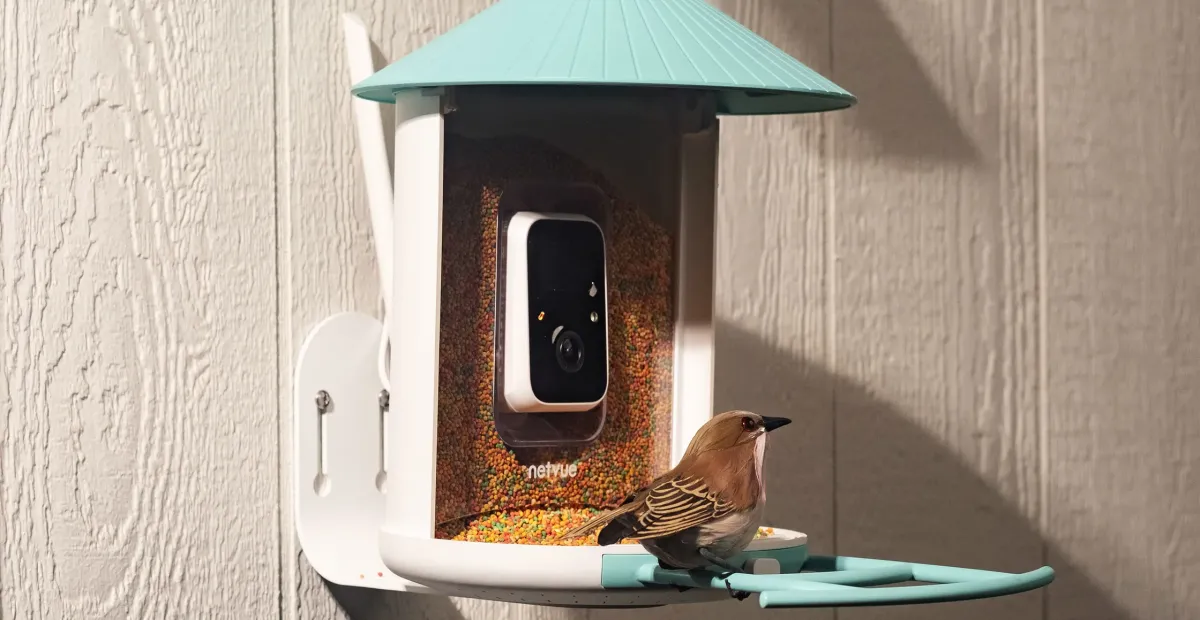

The Evolution of Bird Feeders: Smart Tech Transforms Backyard Birdwatching
In an era where technology seamlessly integrates into every facet of daily life, even the humble bird feeder has undergone a modern revolution. Gone are the days of simple wooden hoppers; today’s avian enthusiasts can now enjoy high-tech feeders equipped with cameras, solar panels, and AI-powered identification systems. As birdwatching grows in popularity worldwide, companies like BirdBuddy and Netvue are capitalizing on this trend, offering sleek, smart feeders that bring an unprecedented level of engagement to backyard nature observation. And with Amazon’s recent Big Spring Sale cutting prices on flagship models, these innovative gadgets are more accessible than ever.
The Netvue Birdfy Feeder and Birdbuddy Pro represent the pinnacle of this evolution, blending functionality with cutting-edge design. Both devices aim to enhance the birdwatching experience by providing real-time notifications, high-quality video captures, and species identification. However, they cater to different priorities, offering distinct features that appeal to varying budgets and preferences. With the Birdfy Feeder now available for $135.99 (a $124 discount) and the Birdbuddy Pro priced at $179.99 ($120 off), bird enthusiasts have a rare opportunity to invest in these high-tech tools without breaking the bank.
From Simple Feeders to Smart Gadgets: A Brief History
The concept of bird feeding dates back to ancient civilizations, but the modern bird feeder as we know it began taking shape in the early 20th century. Initially designed to support bird populations during harsh winters, feeders evolved into decorative garden accessories by the mid-1900s. Fast forward to the 21st century, and the advent of smart technology has transformed these once-simple devices into sophisticated gadgets. Today’s smart feeders are equipped with motion-activated cameras, Wi-Fi connectivity, and solar-powered roofs, allowing users to observe and interact with wildlife like never before.
The rise of smart feeders coincides with a global surge in birdwatching, fueled in part by the pandemic, which drove millions to reconnect with nature. According to the Cornell Lab of Ornithology, interest in birding hit record highs during lockdowns, with apps like eBird and Merlin Bird ID experiencing exponential growth. Smart feeders tap into this trend, offering users an immersive way to engage with avian life from the comfort of their homes.
Birdfy vs. Birdbuddy: A Feature Showdown
At their core, both the Netvue Birdfy Feeder and Birdbuddy Pro aim to provide users with a window into the avian world. However, their approaches differ significantly, catering to distinct audiences.
The Birdfy Feeder is designed with affordability in mind, cutting corners on hardware to deliver a solid entry-level experience. It boasts a 155-degree viewing angle, the widest in its class, allowing users to capture a broad perspective of their garden visitors. However, its video resolution maxes out at 1080p, which may disappoint those seeking ultra-sharp footage. Its solar panel is also separate from the feeder’s roof, resulting in a less streamlined aesthetic compared to its competitors.
In contrast, the Birdbuddy Pro prioritizes premium features. Its camera captures crystal-clear 2K video, complete with slow-motion capabilities, ensuring every feather detail is visible. The integrated solar roof adds a sleek, modern touch, eliminating the need for external panels. These enhancements come at a higher price point, but for serious bird enthusiasts, the investment may be worthwhile.
Software and AI: The Heart of Smart Feeders
Both devices shine in their software offerings, leveraging AI to enhance the user experience. Equipped with motion sensors, they notify users when a bird arrives, providing real-time updates via companion apps. These apps also feature species identification tools, allowing users to learn more about their feathered guests.
The Birdbuddy app stands out with its subscription-based premium service, Birdbuddy Premium, priced at $69.99 annually. This tier unlocks additional features, including AI-powered chat for bird trivia, unlimited video storage, and the ability to track returning visitors. Subscribers can also access feeds from Birdbuddy users worldwide, creating a global birdwatching community. However, those unwilling to commit to a recurring fee may find the free version limiting.
Netvue’s Birdfy Feeder, on the other hand, offers free bird recognition software for life, making it an attractive option for budget-conscious users. While its app lacks the bells and whistles of Birdbuddy’s premium tier, it provides the essentials without additional costs.
The Bigger Picture: Technology Meets Conservation
Beyond their entertainment value, smart feeders play a role in wildlife conservation. By encouraging people to observe and appreciate birds, these devices foster a deeper connection with nature, potentially inspiring conservation efforts. Some models even allow users to contribute data to citizen science projects, helping researchers track bird populations and migrations.
Experts, however, caution against over-reliance on technology. “While smart feeders are fantastic tools, they shouldn’t replace traditional birdwatching practices,” says Dr. Emily Wilson, an ornithologist at the Audubon Society. “There’s immense value in observing birds in their natural habitats without the interference of screens.”
Conclusion: A New Era for Birdwatching
As smart feeders continue to evolve, they redefine the boundaries of backyard birdwatching, blending technology with tradition. Whether opting for the budget-friendly Birdfy Feeder or the feature-rich Birdbuddy Pro, users gain unprecedented access to the avian world. Amazon’s Big Spring Sale presents an opportune moment to embrace this innovation, making high-tech bird feeders more accessible than ever.
Yet, as with any technological advancement, balance is key. While smart feeders offer convenience and engagement, they should complement, not replace, the timeless joy of unmediated birdwatching. In the end, the goal remains the same: to foster a deeper appreciation for the natural world, one feathered visitor at a time.
