



Australia’s Fuel Dependency Exposes Vulnerabilities in Global Supply Chains
In a world increasingly shaped by geopolitical tensions and economic uncertainty, Australia faces a paradox that underscores its vulnerability in the global energy landscape. Despite being one of the world’s largest exporters of coal and liquefied natural gas (LNG), the nation relies heavily on imported refined fuel to power its transportation, agriculture, and industrial sectors. This dependence leaves Australia exposed to disruptions in global supply chains, raising concerns about energy security and economic resilience in an era of heightened volatility.
Australia’s reliance on imported refined fuels—primarily diesel, petrol, and jet fuel—has been a long-standing issue, but recent global events have brought it into sharper focus. The COVID-19 pandemic, the war in Ukraine, and escalating tensions in the Middle East have disrupted global energy markets, exposing the fragility of supply chains worldwide. For Australia, this dependence on foreign refined fuels poses a significant risk, particularly as the country’s domestic refining capacity has dwindled over the past decade.
The Energy Export Giant with a Fuel Import Problem
Australia is a global energy powerhouse, ranking among the top exporters of coal and LNG. However, its energy exports are largely unrefined, meaning the country must rely on overseas refineries to process crude oil into usable fuels. According to data from the Australian Institute of Petroleum, the nation imports around 90% of its refined fuel needs, primarily from refineries in Asia, the Middle East, and the United States. This reliance has grown steadily as domestic refineries have shut down due to competitive pressures and declining profitability.
In the past two decades, Australia has seen the closure of several major refineries, reducing its domestic refining capacity by more than half. Today, only two refineries remain operational—one in Geelong, Victoria, and another in Lytton, Queensland—both of which are owned by global energy giant Ampol. The closure of refineries has been driven by factors such as rising costs, environmental regulations, and the ability to import cheaper fuels from overseas.
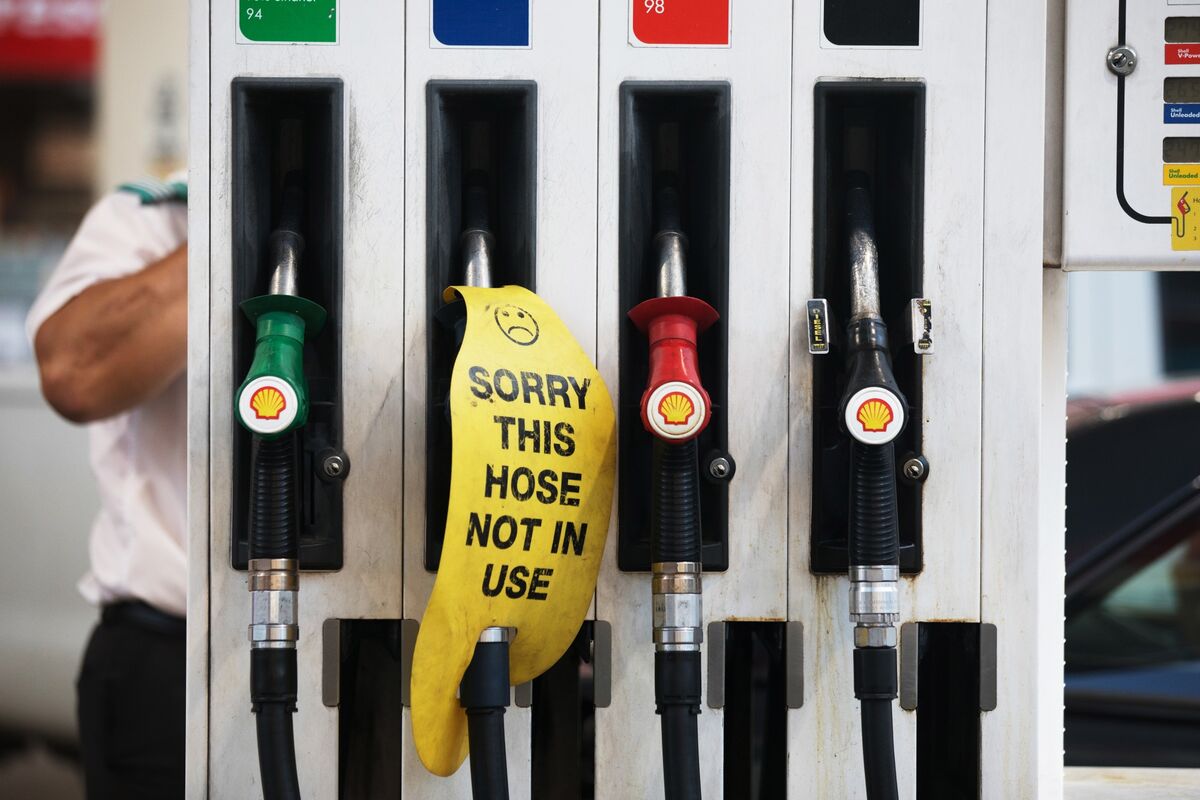
While importing refined fuels has been economically advantageous, it has also left Australia vulnerable to supply chain disruptions. For instance, during the COVID-19 pandemic, global refinery shutdowns and logistical bottlenecks led to fuel shortages in some regions, forcing the Australian government to tap into its strategic petroleum reserves. Similarly, the war in Ukraine has highlighted the risks of relying on distant suppliers, as geopolitical tensions can quickly disrupt trade flows.
The Economic and Strategic Implications
Australia’s fuel dependency has far-reaching implications for its economy and national security. Transportation, agriculture, mining, and defense—all critical sectors—rely heavily on diesel and petrol. Any disruption to fuel supplies could have cascading effects, from delayed food shipments to reduced mining output, potentially costing the economy billions of dollars.
The defense sector, in particular, is a cause for concern. Australia’s military relies on imported jet fuel and diesel, raising questions about the nation’s ability to sustain operations in the event of a global crisis or conflict. The Australian Defence Force has acknowledged this vulnerability and has been exploring ways to enhance fuel security, including increasing domestic storage capacity and diversifying supply sources.
Efforts to address these challenges have been slow but are gaining momentum. In 2020, the Australian government announced a AUD 200 million ($135 million) package to support domestic refining and fuel security, including subsidies for refineries to remain operational. The government also mandated minimum stock levels for fuel reserves, aligning with International Energy Agency (IEA) standards. However, critics argue that these measures fall short of addressing the root causes of Australia’s fuel dependency.
Exploring Solutions for Energy Security
Experts and policymakers are increasingly calling for a multi-pronged approach to bolster Australia’s energy security. One potential solution is to invest in domestic refining capacity, though this would require significant capital and regulatory support. Another option is to accelerate the transition to alternative fuels, such as biofuels, hydrogen, and electric vehicles (EVs).
Australia’s vast renewable energy resources position it well to lead in the production of green hydrogen, which could be used to power heavy industries and transport. Similarly, the adoption of EVs could reduce reliance on petrol and diesel, though this transition would take time and require substantial infrastructure investment.
Some analysts also advocate for greater regional collaboration to enhance fuel security. By partnering with neighboring countries, Australia could develop a more resilient supply chain, reducing its dependence on distant suppliers. For example, Australia could work with Southeast Asian nations to establish shared fuel reserves and co-invest in refining infrastructure.
A Balancing Act Between Economics and Security
Australia’s fuel dependency highlights a broader challenge facing many nations: balancing economic efficiency with energy security. While importing refined fuels has been cost-effective, it has also exposed the country to global risks that are increasingly difficult to predict or control. As the world navigates a complex and uncertain geopolitical landscape, ensuring a stable and secure energy supply has never been more critical.
For Australia, the path forward will require careful planning, investment, and innovation. Whether through revitalizing domestic refining, embracing alternative fuels, or forging regional partnerships, the nation must take decisive steps to mitigate its vulnerabilities. The stakes are high, but so are the opportunities to build a more resilient and sustainable energy future.
In the end, Australia’s fuel dependency serves as a reminder that even energy-rich nations are not immune to the risks of a globalized world. As policymakers and industry leaders grapple with these challenges, the question remains: Can Australia balance its economic ambitions with the need for energy security in an increasingly uncertain era? Only time will tell.
