


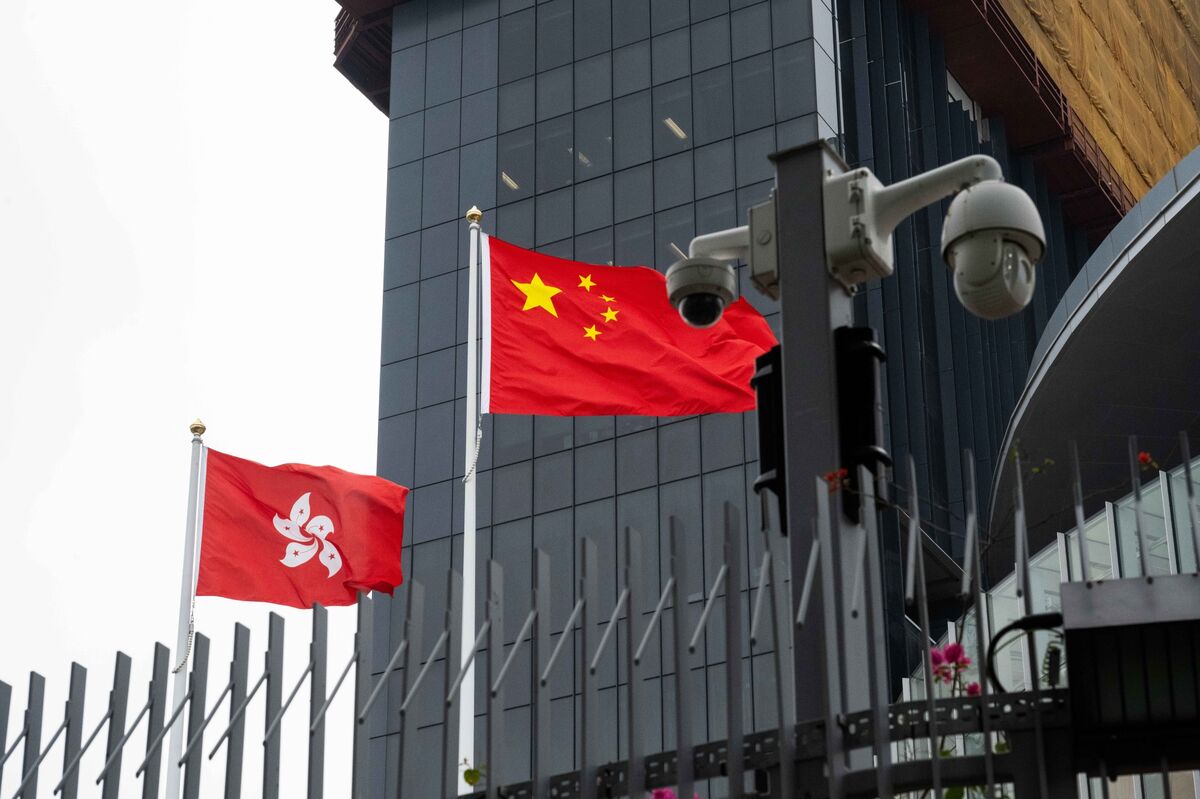

Beijing Summons US Envoy Over Hong Kong Cybersecurity Alert Amid Escalating Tensions
Hong Kong, October 2023—In a dramatic escalation of diplomatic tensions, Beijing summoned the United States’ top envoy to Hong Kong following a public alert issued by the US Consulate cautioning travelers and residents about new cybersecurity measures in the semi-autonomous city. The controversial rules, introduced as part of Hong Kong’s evolving national security framework, grant authorities unprecedented powers to demand access to personal electronic devices, including smartphones and laptops, during security investigations. This latest confrontation underscores the deepening rift between Washington and Beijing over Hong Kong’s diminishing freedoms and its alignment with mainland China’s stringent governance model.
The US Consulate’s alert, published earlier this week, warned American citizens and businesses operating in Hong Kong about the heightened risks of enhanced cybersecurity enforcement under the newly amended laws. The advisory highlighted that authorities could now compel individuals to provide passwords or decrypt electronic devices as part of national security probes, raising concerns over privacy breaches and potential misuse of sensitive data. The move swiftly drew condemnation from human rights organizations and foreign governments, who argue that such measures could stifle dissent and erode the city’s reputation as a global financial hub.
Beijing, however, has vehemently defended the legislation, framing it as a necessary tool to combat threats to national security. In a strongly worded statement, China’s Foreign Ministry accused the US of “interfering in China’s internal affairs” and “misleading the public.” The summons of the US envoy to Hong Kong, Gregory May, marks the latest in a series of diplomatic spats between the two superpowers, reflecting broader geopolitical tensions over trade, technology, and regional influence.
A City in Transition: Hong Kong’s Shifting Landscape
Hong Kong, once celebrated for its unique blend of Eastern and Western cultures, has undergone seismic political and legal transformations since the handover from British to Chinese rule in 1997. The city’s “one country, two systems” framework, which promised a high degree of autonomy for 50 years, has increasingly come under strain following widespread pro-democracy protests in 2019 and the subsequent imposition of a sweeping national security law in 2020. The latest cybersecurity amendments, introduced in September 2023, are seen by many as further tightening Beijing’s grip on the territory.
Under the new rules, law enforcement agencies are empowered to compel individuals to unlock their electronic devices or disclose encryption keys during investigations related to national security. Failure to comply can result in hefty fines or imprisonment, raising fears among activists, journalists, and business professionals about the chilling effect on freedom of expression and economic activity. Critics argue that the legislation lacks sufficient safeguards against abuse, leaving individuals vulnerable to invasive searches without clear judicial oversight.
The US Consulate’s alert underscored these concerns, advising travelers to exercise caution and consider the potential risks of carrying electronic devices into Hong Kong. “The ability of the authorities to access personal devices without due process poses significant threats to privacy and data security,” the advisory stated. The warning has reverberated across the international community, with several Western governments echoing similar sentiments and urging their citizens to remain vigilant.
A Diplomatic Showdown with Global Implications
The summoning of the US envoy reflects Beijing’s growing sensitivity to foreign criticism of its policies in Hong Kong. China’s Foreign Ministry spokesman Wang Wenbin described the US Consulate’s alert as “completely unjustified” and accused Washington of pursuing a “hidden agenda” to destabilize the region. “Hong Kong’s affairs are China’s internal matters, and no external force has the right to interfere,” Wang declared during a press briefing.
Diplomatic analysts suggest that the confrontation is indicative of the broader deterioration in US-China relations, which have been marred by disputes over trade tariffs, semiconductor restrictions, and military posturing in the Indo-Pacific. Hong Kong, as a symbolic battleground of values and governance, has become a focal point in this geopolitical tug-of-war. The city’s diminishing freedoms are viewed by many in the West as a litmus test for China’s commitment to international norms, while Beijing sees external criticism as an affront to its sovereignty.
The US State Department has yet to issue a formal response to the summoning of its envoy, but American officials have consistently expressed concern over the erosion of Hong Kong’s autonomy and the impact on US citizens and businesses. “We remain committed to supporting the people of Hong Kong and protecting the rights of our citizens abroad,” a State Department spokesperson said in an earlier statement.
Broader Concerns for Businesses and Expats
The new cybersecurity measures have sparked alarm among multinational corporations and expatriates in Hong Kong, a city long regarded as a gateway to Asia’s booming markets. Many firms rely on secure communications and data protection to conduct sensitive transactions, and the prospect of forced access to devices could undermine confidence in the territory’s business environment.
“This is a worrying development for companies operating in Hong Kong,” said Johnathan Smith, a cybersecurity expert based in Singapore. “The ability to demand passwords or decryption keys introduces significant legal and operational risks, particularly for industries handling confidential information.”
The uncertainty has also prompted some foreign companies to reassess their presence in Hong Kong, with reports of firms exploring alternative hubs such as Singapore or Tokyo. The city’s economy, already grappling with the fallout from years of political unrest and stringent COVID-19 measures, faces renewed challenges in retaining its status as a global financial powerhouse.
Balancing Security and Freedom
As Hong Kong navigates its complex identity amidst Beijing’s tightening control, the debate over cybersecurity measures underscores the delicate balance between national security and individual freedoms. Supporters of the legislation argue that it is essential for countering espionage, terrorism, and other threats in an increasingly digital world. However, critics warn that the lack of transparency and accountability could lead to abuses of power and further erode public trust.
The diplomatic row between the US and China over Hong Kong’s new rules is unlikely to subside soon, reflecting the broader ideological and geopolitical divides shaping the 21st century. As Beijing asserts its authority over the territory, the international community faces difficult questions about how to respond to the evolving landscape of a city once emblematic of freedom and opportunity.
In the words of one Hong Kong-based activist, who requested anonymity for fear of retribution, “This isn’t just about passwords or devices—it’s about the future of Hong Kong. What kind of city do we want to be, and what are we willing to risk to protect our freedoms?”
As the world watches, the answer to that question remains uncertain, but one thing is clear: the stakes for Hong Kong—and for global diplomacy—have never been higher.
