


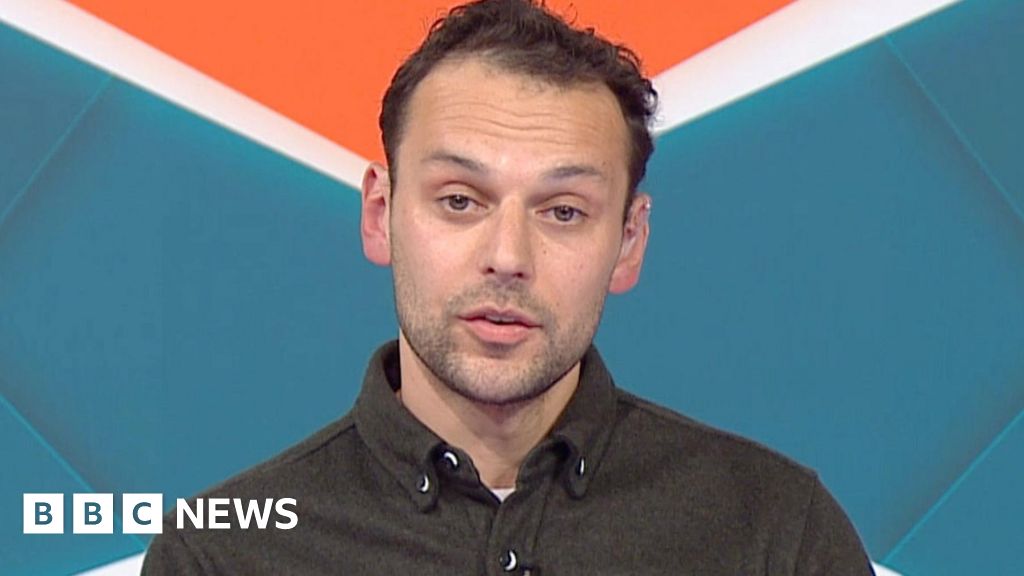

Think Tank Leader Resigns Amid Controversy Over Journalist Background Probe
Josh Simons, the former head of a prominent think tank, has stepped down following revelations that the organization commissioned a report investigating the personal and professional backgrounds of several journalists. The move has sparked debate about transparency, media freedom, and the ethical boundaries of research institutions.
The controversy erupted after internal documents revealed that the think tank, under Simons’ leadership, had funded an extensive dossier compiling details on reporters’ past work, affiliations, and potential biases. While the exact purpose of the report remains unclear, critics argue such efforts could be used to intimidate or discredit journalists, particularly those covering sensitive political or corporate issues.
Simons, who had led the organization for five years, announced his resignation in a brief statement but did not address the allegations directly. “After careful consideration, I believe it is best for the institution to move forward under new leadership,” he said. The think tank’s board accepted his departure, stating they would conduct an internal review of the matter.
Ethical Concerns and Backlash
The revelation has drawn sharp criticism from media watchdogs and free speech advocates. “Targeting journalists in this manner undermines press freedom and creates a chilling effect,” said one industry representative. “When think tanks—entities meant to inform public discourse—engage in covert scrutiny of reporters, it raises serious ethical red flags.”
The report allegedly included analyses of journalists’ social media histories, past employers, and even personal associations. While think tanks routinely conduct opposition research, experts note that focusing on media professionals crosses a line. “This isn’t about policy debate—it’s about potentially weaponizing information to silence critics,” a media ethics scholar noted.
Broader Implications
The incident highlights growing tensions between research institutions and the press, particularly in an era where misinformation and bias are hotly contested. Think tanks play a key role in shaping policy debates, but their influence depends on perceived neutrality. Critics warn that covert actions against journalists could erode public trust in these organizations.
Some speculate the report may have been intended to identify favorable or hostile media figures ahead of major policy campaigns. Others suggest it could reflect a broader trend of institutions attempting to preempt negative coverage. Either way, the fallout serves as a cautionary tale for organizations navigating the intersection of research and media relations.
What Comes Next?
The think tank has pledged to reassess its research protocols, but the damage may already be done. Simons’ resignation leaves the group at a crossroads, with stakeholders demanding greater accountability. Meanwhile, journalists and advocacy groups are calling for clearer guidelines on how think tanks interact with the press.
As debates over media integrity and institutional transparency continue, this case may prompt wider scrutiny of how research organizations operate—and where they draw the line between analysis and overreach. For now, the controversy serves as a reminder of the delicate balance between scrutiny and suppression in the public discourse.
