



UN Proposes Comprehensive Framework to Disarm Palestinian Armed Groups: A Critical Step Toward Lasting Peace in Gaza
The United Nations took a bold step this week toward addressing one of the most intractable conflicts of the modern era. Speaking at the UN headquarters in New York on Tuesday, Nikolay Mladenov, the High Representative for Gaza on the Board of Peace, unveiled a detailed framework aimed at decommissioning the weapons of Palestinian armed groups. The plan prioritizes the dismantling of rockets, heavy munitions, explosive devices, and assault rifles—weapons that have perpetuated violence and instability in the region for decades. While the proposal has been met with cautious optimism, it raises critical questions about feasibility, trust-building, and the broader implications for global security in an increasingly volatile world.
The Context of Conflict
The Gaza Strip, a small but densely populated territory on the Mediterranean coast, has been a flashpoint for violence since the withdrawal of Israeli forces in 2005. Governed by Hamas, a group designated as a terrorist organization by several countries, Gaza has seen recurrent cycles of conflict with Israel, including devastating wars in 2008, 2012, 2014, and 2021. These clashes have resulted in thousands of civilian casualties, widespread destruction, and a humanitarian crisis that continues to deepen.
The presence of armed groups in Gaza, equipped with increasingly sophisticated weaponry, has been a central obstacle to peace. Rockets fired from Gaza into Israel have disrupted daily life and triggered military responses, while Israeli blockades and restrictions have stifled Gaza’s economy, fueling resentment and desperation. Against this backdrop, Mladenov’s proposal seeks to break the cycle of violence by addressing one of its root causes: the proliferation of weapons.
The Proposal’s Global Significance
The UN’s initiative is not merely a regional issue; it has far-reaching implications for global security. The Middle East remains a geopolitical powder keg, with tensions between Israel, Iran, and their respective allies threatening to escalate into broader conflicts. Disarming Palestinian armed groups could reduce the likelihood of another Gaza war, thereby easing regional tensions and preventing a wider conflagration.
Moreover, the proposal aligns with international efforts to curb the illicit arms trade, a global menace that fuels conflicts from Syria to Sudan. By targeting rockets and heavy munitions, the UN aims to disrupt networks that smuggle weapons into Gaza, potentially setting a precedent for similar disarmament efforts in other conflict zones.
Challenges and Skepticism
While Mladenov’s framework offers a clear roadmap for disarmament, its success hinges on overcoming significant hurdles. First and foremost is the issue of trust. Hamas and other armed groups view their weapons as essential for self-defense against Israeli military operations, while Israel views these groups as existential threats. Bridging this divide will require unprecedented diplomatic efforts and confidence-building measures from all sides.
Additionally, the role of external actors cannot be overlooked. Iran, a key patron of Hamas, has reportedly supplied Gaza with weapons and funding, complicating disarmament efforts. Any meaningful progress will necessitate cooperation from regional powers and the international community, including the United States, the European Union, and Arab states.
Humanitarian Dimensions
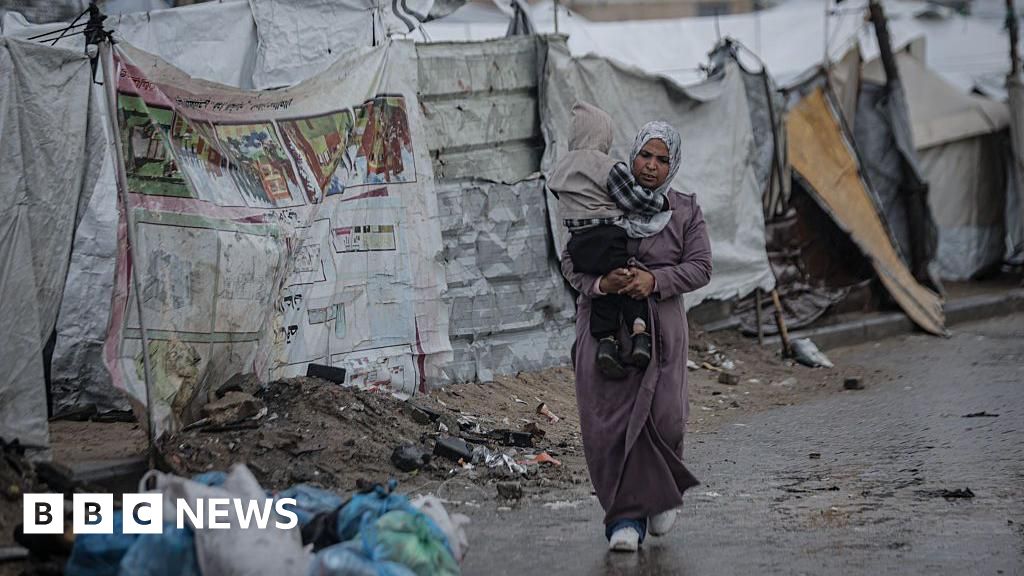
Beyond the geopolitical implications, the UN’s proposal holds profound humanitarian significance. Gaza’s 2.3 million residents have endured years of hardship, with poverty, unemployment, and inadequate healthcare shaping their daily lives. Disarming armed groups could pave the way for economic development, reconstruction, and improved living conditions, offering a glimmer of hope to a beleaguered population.
However, lasting peace cannot be achieved through disarmament alone. It must be accompanied by efforts to address the underlying grievances of both Palestinians and Israelis, including the status of Jerusalem, the rights of refugees, and the future of Israeli settlements.
Why This Matters
The UN’s initiative represents a rare opportunity to break the cycle of violence in Gaza and advance the cause of Middle East peace. In a world grappling with rising tensions between major powers, the proliferation of advanced weaponry, and the growing threat of terrorism, the proposal underscores the importance of diplomacy and multilateral cooperation in resolving conflicts.
Moreover, it serves as a reminder of the urgent need to address the human cost of war. Civilians—whether in Gaza, Ukraine, or Yemen—bear the brunt of armed conflicts, enduring unimaginable suffering and displacement. Efforts to disarm combatants and promote dialogue are essential not only for regional stability but also for upholding the principles of justice and humanity.
A Path Forward
As the international community rallies behind Mladenov’s proposal, the road ahead remains fraught with challenges. Building trust, securing cooperation from key stakeholders, and ensuring compliance will require sustained effort and unwavering commitment. Yet, the stakes are too high to ignore.
The disarmament of Palestinian armed groups is not just a local issue; it is a litmus test for the global community’s ability to resolve conflicts through peaceful means. Success in Gaza could inspire similar initiatives elsewhere, offering a blueprint for ending wars and fostering reconciliation in other troubled regions.
Conclusion
Nikolay Mladenov’s comprehensive framework for disarmament in Gaza marks a pivotal moment in the quest for Middle East peace. While skepticism abounds, the proposal offers a rare glimpse of hope in a region scarred by decades of conflict. Its success will depend on the collective resolve of the international community, the willingness of regional actors to compromise, and the recognition that lasting peace is not merely the absence of war but the presence of justice, security, and opportunity for all. In a world increasingly defined by division and instability, the stakes of this endeavor could not be higher. The time to act is now.
