


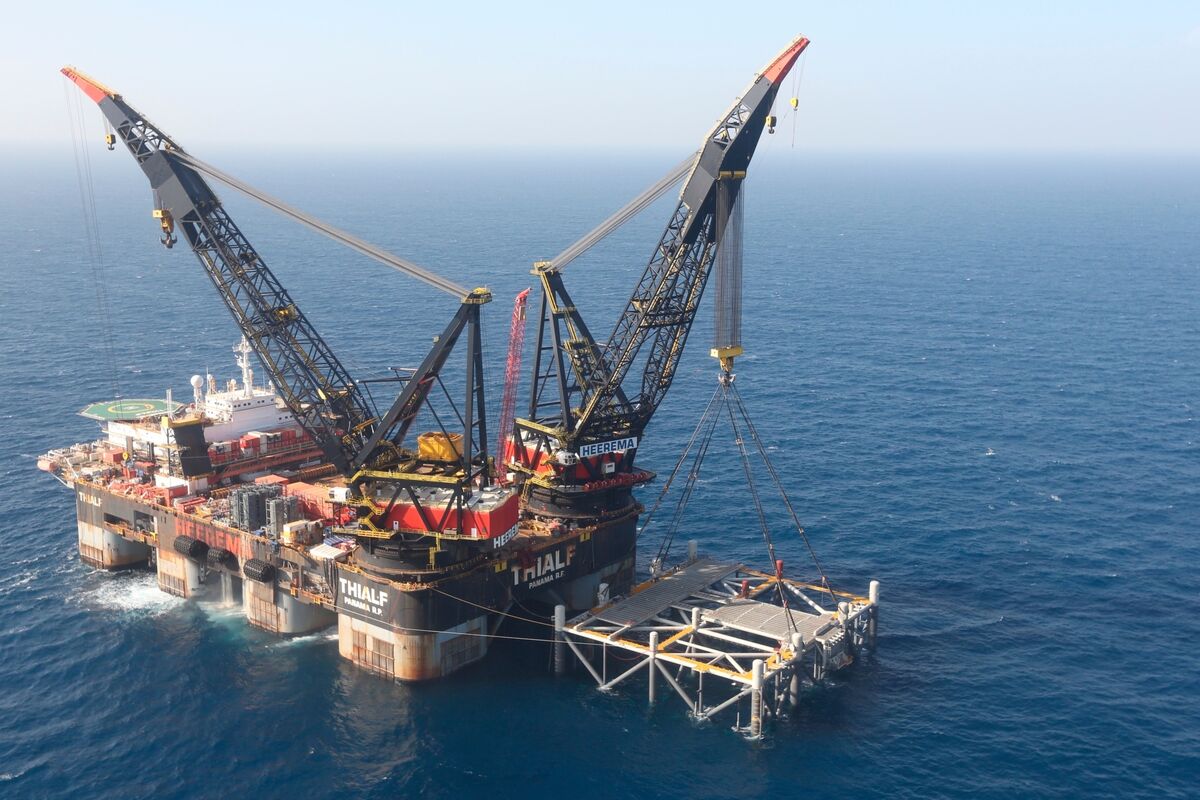

Israel’s Leviathan Gas Field Resumes Production After 33-Day Shutdown Amid Regional Tensions
In a significant development for global energy markets, Israel’s Leviathan gas field—the country’s largest—has resumed operations after a 33-day shutdown prompted by escalating tensions with Iran. The resumption of production is expected to ease some of the pressure on global gas supplies, which have been strained by geopolitical conflicts, surging demand, and disruptions in key energy-producing regions. The shutdown, which began in early October, underscores the vulnerability of critical energy infrastructure in the volatile Middle East and highlights the far-reaching consequences of regional instability on the global economy.
The Leviathan gas field, located off Israel’s Mediterranean coast, is a cornerstone of Israel’s energy independence and a vital contributor to the region’s gas supply. Operated by Chevron in partnership with Israeli firms NewMed Energy and Ratio Energies, the field has the capacity to produce approximately 12 billion cubic meters of natural gas annually. Its output not only fuels Israel’s domestic energy needs but also supports exports to neighboring countries, including Egypt and Jordan, as well as international markets through liquefied natural gas (LNG) shipments.
Escalating Tensions and the Decision to Shut Down
The decision to halt production at Leviathan came amid heightened tensions between Israel and Iran, following a series of incidents that raised fears of a broader regional conflict. In early October, Iran-backed militant groups launched rocket attacks on Israeli territory, prompting retaliatory strikes by the Israeli military. The situation escalated further when Iran threatened to target Israel’s energy infrastructure, including offshore gas facilities, as part of a broader strategy to cripple the Israeli economy.
In response to these threats, Chevron and its partners temporarily suspended operations at Leviathan, citing concerns about the safety of workers and the integrity of the facility. The shutdown sent ripples through global energy markets, which were already grappling with supply disruptions caused by Russia’s war in Ukraine and OPEC+ production cuts. Israel’s decision to halt gas production exacerbated the strain, particularly in Europe, where countries have been scrambling to secure alternative energy sources ahead of the winter heating season.
Regional and Global Implications
The resumption of production at Leviathan comes as a relief for international markets, but the episode highlights the fragility of energy security in a region prone to conflict. The Middle East is home to some of the world’s largest reserves of oil and natural gas, yet its geopolitical instability often disrupts supply chains and drives up prices. For Israel, Leviathan represents not only an economic lifeline but also a strategic asset that enhances its geopolitical influence.
The field’s exports have played a key role in reshaping energy dynamics in the Eastern Mediterranean, fostering cooperation between Israel and its Arab neighbors. In 2022, Israel signed a landmark agreement to supply natural gas to Egypt, which then exports it as LNG to Europe and other markets. Similar deals have been struck with Jordan, providing a stable source of energy for a country that has historically relied on imports. The temporary shutdown of Leviathan disrupted these flows, forcing Egypt to curtail its LNG exports and Jordan to seek alternative suppliers.
Globally, the resumption of Leviathan’s operations could help stabilize gas prices, which have been volatile in recent months. According to analysts, the prolonged shutdown contributed to a spike in European gas prices, compounding the continent’s energy crisis. With winter approaching, European nations are racing to replenish their gas reserves, and Leviathan’s renewed output could provide a much-needed boost.
Broader Geopolitical Context
The shutdown of Leviathan also underscores the broader geopolitical tensions in the Middle East, where energy resources are often entwined with security concerns. Israel and Iran have long been adversaries, engaging in a shadow war that includes cyberattacks, proxy conflicts, and covert operations. The targeting of energy infrastructure has become a key tactic in this ongoing struggle, with both sides seeking to undermine each other’s economic stability.
For Iran, disrupting Israel’s gas exports is a way to exert pressure on a rival that has enjoyed growing prosperity and diplomatic clout in recent years. For Israel, protecting its energy assets is a top priority, as any sustained disruption could have severe economic consequences. The Leviathan shutdown serves as a stark reminder of the risks posed by regional conflicts to global energy markets, particularly at a time when demand for natural gas is surging amid efforts to transition away from coal and oil.
Looking Ahead
While the resumption of production at Leviathan is a positive development, questions remain about the field’s long-term resilience in the face of ongoing regional tensions. Chevron and its partners have reportedly bolstered security measures around the facility, but experts warn that the threat of attacks by Iran or its proxies persists. In the coming months, much will depend on the trajectory of Israel-Iran relations, which have shown little sign of improvement.
At the same time, the Leviathan incident underscores the need for diversification in global energy supply chains. As countries seek to reduce their reliance on fossil fuels and invest in renewable energy, events like this highlight the importance of ensuring stability and security in the transition. For now, Leviathan’s return to operation offers a temporary reprieve, but its future—and that of the broader energy market—remains inextricably linked to the unpredictable geopolitics of the Middle East.
As the world watches closely, the resumption of Leviathan’s production serves as a reminder of the delicate balance between energy security and regional stability—a balance that remains as precarious as ever.
