


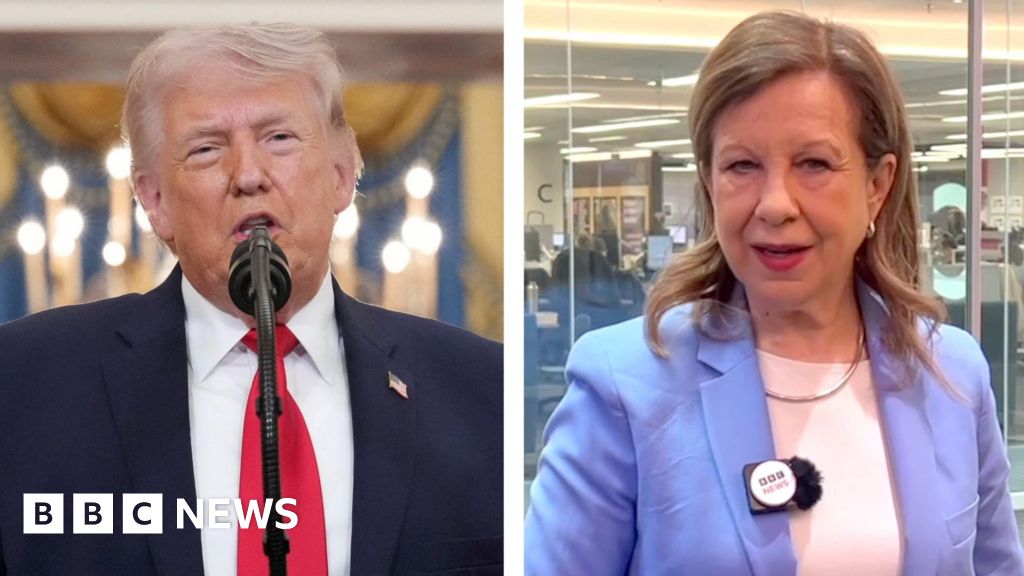

Trump’s Primetime Address on Iran War Leaves Questions Unanswered Amid Global Tensions
In a rare primetime address on Wednesday evening, former U.S. President Donald Trump attempted to outline the trajectory of the ongoing conflict between the United States, Israel, and Iran. However, his remarks were met with skepticism, raising more questions than answers as tensions in the Middle East continue to reverberate globally.
The war, now in its second month, has escalated into one of the most significant geopolitical crises of recent years, drawing in regional powers and threatening to destabilize an already fragile global order. Trump’s claim that the core strategic objectives of the U.S.-Israeli military operation were “nearing completion” did little to alleviate concerns about the conflict’s unpredictable path.
The Context: A Crisis with Global Repercussions
The current war between Iran, the U.S., and Israel stems from longstanding tensions over Iran’s nuclear program and its military influence across the Middle East. The conflict escalated dramatically last month after a series of provocations, including Iranian-backed attacks on Israeli infrastructure and retaliatory airstrikes by U.S.-led forces.
The crisis has far-reaching implications. As Iran holds significant sway over key oil-producing regions, the conflict has already caused volatility in global energy markets, with oil prices surging and threatening the economic stability of nations heavily reliant on imports. Additionally, Iran’s strategic alliances with Russia and China have heightened fears of a broader geopolitical confrontation, drawing in major world powers and complicating diplomatic efforts.
Trump’s Address: Ambiguity and Skepticism
In his address, Trump sought to project confidence, stating that the military operation’s primary goals were “nearing completion” and predicting the conflict would last another two to three weeks. However, analysts and journalists were quick to question the validity of these claims.
The BBC’s Chief International Correspondent, Lyse Doucet, noted that Trump’s deadlines have “always been fluid,” casting doubt on the reliability of his timeline. Critics argue that the former president’s rhetoric fails to address the complexities of the conflict, including the potential for prolonged guerilla warfare by Iranian-backed militias and the humanitarian toll on civilians in the region.
Trump’s speech also omitted details on key issues, such as the role of U.S. allies, the potential for broader regional involvement, and the long-term strategy for stabilizing the Middle East. This lack of clarity has left international observers and policymakers grappling with uncertainty, as the crisis continues to unfold with no clear end in sight.
Why This Matters: A Global Security Imperative
The conflict’s implications extend far beyond the Middle East. The war has already disrupted global trade routes, particularly through the Strait of Hormuz, a critical chokepoint for oil shipments. Any further escalation could lead to a full-blown energy crisis, impacting economies worldwide.
Moreover, the conflict has strained international diplomatic relations. The U.S. and Israel’s military actions have drawn criticism from European allies and global organizations, who have called for de-escalation and renewed dialogue. Meanwhile, Iran’s alliances with Russia and China have added a layer of complexity, with both nations likely to exploit the crisis to challenge Western influence.
Humanitarian concerns are also mounting. Reports of civilian casualties and displacement in conflict zones have sparked outrage, with aid organizations struggling to provide relief amidst ongoing hostilities. The war’s impact on civilian populations underscores the urgent need for a coordinated international response to mitigate suffering and prevent further destabilization.
The Road Ahead: Navigating Uncertainty
As the conflict enters its second month, the path forward remains uncertain. While Trump’s address attempted to project a sense of control, the reality on the ground suggests a far more complicated and protracted struggle. The involvement of multiple state and non-state actors, coupled with the region’s volatile political landscape, makes any prediction of resolution fraught with risk.
Diplomatic efforts, led by the United Nations and regional mediators, are underway to broker a ceasefire. However, the success of these initiatives hinges on the willingness of all parties to engage in meaningful dialogue—a prospect that remains uncertain given the deeply entrenched animosities and competing geopolitical interests.
Conclusion: A Crisis with Lasting Consequences
Donald Trump’s primetime address may have sought to reassure the public, but it ultimately highlighted the complexities and uncertainties of a conflict that continues to loom large over global security. As the war drags on, its repercussions—economic, humanitarian, and geopolitical—will be felt far beyond the Middle East, shaping the international order for years to come.
The world watches with bated breath, hoping for a resolution that prioritizes stability and peace. Yet, as history has shown, wars of this magnitude rarely conclude swiftly or predictably. The stakes are high, and the need for decisive, coordinated action has never been greater. The question remains: will global leaders rise to the challenge, or will this crisis deepen, leaving a fractured world in its wake?
