



Escalating Tensions in the Middle East: US Jet Downed, Israeli Strikes Hit Beirut Amid Rising Global Instability
A Region on the Brink
The Middle East stands at a dangerous precipice following a series of explosive military developments that threaten to ignite a wider regional conflict. A US military jet has reportedly been shot down—an incident that could dramatically escalate hostilities—while Israeli airstrikes have struck parts of Beirut, raising fears of a renewed confrontation with Hezbollah. These events unfold against a backdrop of heightened tensions between global powers, with the potential to destabilize not only the Middle East but also international security at large.
US Jet Downed: A Potential Flashpoint
Reports of a downed US aircraft mark a critical escalation in an already volatile region. While details remain unconfirmed, the incident could signify direct confrontation between American forces and Iran-backed factions. The US maintains a significant military presence across the Middle East, including in Syria and Iraq, where it has repeatedly clashed with militant groups.
If verified, the downing of a US jet would represent one of the most brazen challenges to American air superiority in years. Analysts warn that such an act could trigger swift retaliation, dragging Washington deeper into a conflict it has sought to avoid. The Biden administration has previously emphasized de-escalation, but with elections looming and pressure mounting, a forceful response may be inevitable.
Israeli Strikes Target Beirut: Hezbollah in the Crosshairs
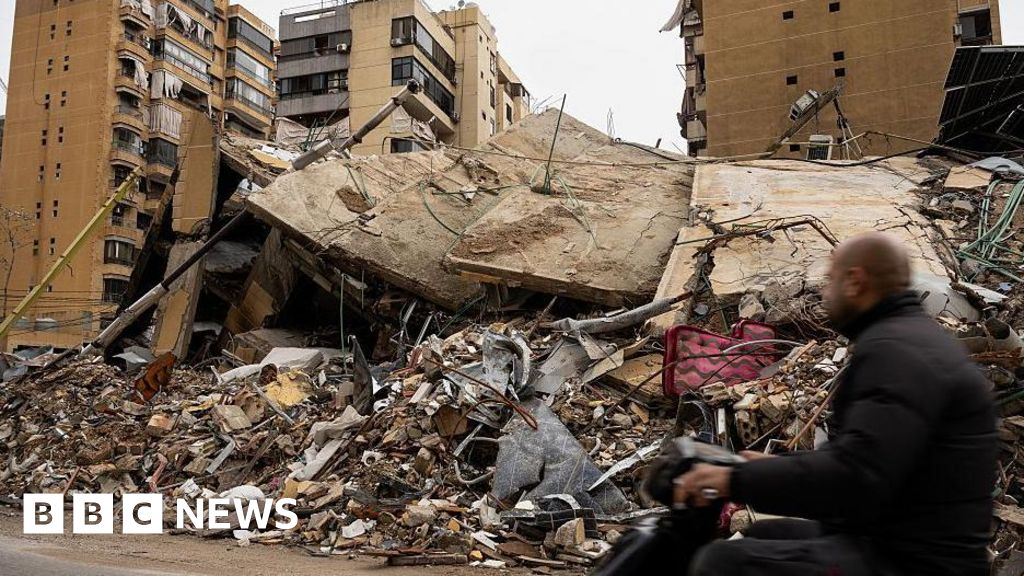
Meanwhile, Israeli airstrikes have reportedly struck areas in Beirut, signaling a potential expansion of the Gaza conflict into Lebanon. Hezbollah, the Iran-backed militant group, maintains a stronghold in southern Lebanon and has engaged in near-daily exchanges of fire with Israel since the October 7 Hamas attacks.
The strikes on Beirut suggest Israel is adopting a more aggressive posture, possibly aiming to degrade Hezbollah’s capabilities before a full-scale war erupts. The Lebanese government, already grappling with economic collapse, now faces the specter of another devastating conflict. Civilians in southern Lebanon and northern Israel have been displaced in growing numbers, underscoring the human toll of the escalating violence.
Global Implications: A Fragile World Order
The repercussions of these developments extend far beyond the Middle East. The US and Israel are key Western allies, while Iran and its proxies represent a counterweight backed by Russia and China. Any major escalation risks drawing in these global powers, further fracturing an already polarized international order.
Energy markets are also at risk. The Strait of Hormuz, a critical oil chokepoint, could become a battleground if Iran chooses to retaliate against US or Israeli actions. Global oil prices, which have remained volatile since the Ukraine war, could spike, triggering economic shocks worldwide.
Moreover, the UN and other diplomatic bodies face mounting pressure to intervene. Yet with the Security Council deadlocked by US-Russia tensions, multilateral solutions appear increasingly out of reach.
Why This Matters
The Middle East remains a tinderbox where local conflicts can rapidly spiral into global crises. The downing of a US jet and Israeli strikes on Beirut are not isolated incidents—they are symptoms of a deteriorating security landscape. With proxy wars intensifying and great-power rivalries deepening, the world must brace for the possibility of a broader conflagration.
A Call for Restraint Amid Rising Flames
As military posturing intensifies, the path to de-escalation narrows. World leaders must weigh their next moves carefully—one miscalculation could plunge the region, and the world, into chaos. The coming days will test whether diplomacy can prevail over the drums of war. For now, the Middle East holds its breath, waiting to see if the flames of conflict can still be contained—or if they will spread uncontrollably.
