


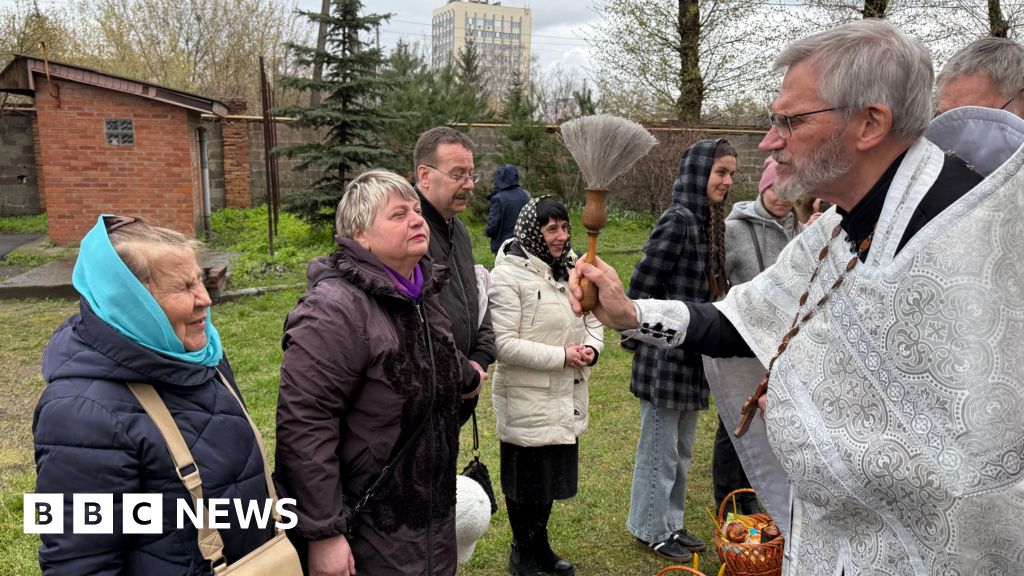

Easter Celebrations Subdued in Kharkiv Amid Fears of Renewed Fighting
April 15, 2024
As the sun rose over Kharkiv on Easter Sunday, the city’s streets bore little resemblance to the joyous celebrations typically associated with the holiday. Instead of echoing with hymns and laughter, the air was heavy with tension. Residents, many of whom had spent the night in makeshift shelters, emerged cautiously, aware that a fragile truce observed over the weekend could collapse at any moment. The brief respite in hostilities offered a fleeting glimpse of normalcy, but the specter of renewed violence loomed large, casting a shadow over what should have been a day of hope and renewal.
A Truce on Shaky Ground
The temporary ceasefire, brokered by international mediators, was intended to allow civilians to mark Easter in peace. For 48 hours, the relentless shelling that has defined life in Kharkiv ceased, giving residents a rare opportunity to attend church services, visit loved ones, and stock up on essential supplies. However, as the truce neared its end on Sunday evening, anxiety grew. Both Ukrainian and Russian forces remained on high alert, and reports of isolated skirmishes along the front lines raised fears that fighting would erupt once again.
Ukraine’s President Volodymyr Zelenskyy acknowledged the precarious nature of the ceasefire in his Easter address. “We cherish every moment of peace,” he said, “but we know that the enemy’s intentions remain unchanged.” His words underscored the grim reality facing Ukrainians: even during moments of calm, the war is never far from their doorstep.
Global Implications of the Conflict
The situation in Kharkiv is emblematic of the broader war in Ukraine, now entering its third year. The conflict has not only reshaped the geopolitical landscape of Europe but also triggered a global crisis with far-reaching consequences. Energy prices have surged as Russia weaponizes its oil and gas exports, while food shortages caused by disrupted grain shipments from Ukraine have exacerbated hunger in vulnerable regions such as East Africa and the Middle East.
Moreover, the war has deepened divisions between the West and Russia, creating a new era of Cold War-style tensions. Western nations, led by the United States and the European Union, continue to provide military and humanitarian aid to Ukraine, while Russia has sought to bolster its position through alliances with China and other autocratic regimes. The ongoing stalemate on the battlefield has raised fears of a prolonged conflict, with no clear path to resolution.
Human Cost of the War
Amid the geopolitical maneuvering, it is the human cost of the war that remains most heartbreaking. Kharkiv, Ukraine’s second-largest city, has been battered by relentless attacks since the invasion began in February 2022. Entire neighborhoods lie in ruins, and thousands of civilians have been killed or displaced. Those who remain live in constant fear, their lives upended by the unrelenting violence.
For many, Easter was a stark reminder of all they have lost. “We used to celebrate this holiday with family and friends,” said Olena, a 42-year-old teacher who now resides in a basement shelter. “Now, we’re just trying to survive.” Her words encapsulate the resilience of a population that has endured unimaginable hardship but also highlight the toll the war has taken on Ukraine’s social fabric.
Why This Matters
The muted Easter celebrations in Kharkiv are more than a local story; they are a microcosm of a global crisis. The war in Ukraine has become a flashpoint in an increasingly fragmented world, testing the limits of international diplomacy and cooperation. It has forced nations to confront difficult questions about security, sovereignty, and the responsibilities of global powers in maintaining peace.
For the people of Kharkiv, the stakes are more immediate. They face an uncertain future, one in which the threat of violence is ever-present. Yet, their determination to persevere offers a glimmer of hope. Despite the devastation, life goes on—children attend school, businesses reopen, and communities come together to support one another.
Looking Ahead
As the truce expired and the sun set on Easter Sunday, the sounds of shelling returned to Kharkiv. The brief pause in fighting served as a poignant reminder of what could be—peace, however fleeting. Yet, it also underscored the immense challenges that lie ahead. With both sides digging in for a protracted conflict, the prospects for a negotiated settlement remain dim.
The eyes of the world remain fixed on Ukraine, not only because of its strategic importance but also because of the human stories it has produced. From the streets of Kharkiv to the corridors of power in Washington, Moscow, and Brussels, the war continues to shape the course of history. As the conflict drags on, one thing is clear: the need for a lasting resolution has never been more urgent.
In the meantime, the people of Kharkiv will endure, their resilience a testament to the enduring spirit of humanity in the face of adversity. Their muted Easter celebrations serve as a stark reminder of the cost of war—but also of the hope that peace, no matter how elusive, remains worth fighting for.
