


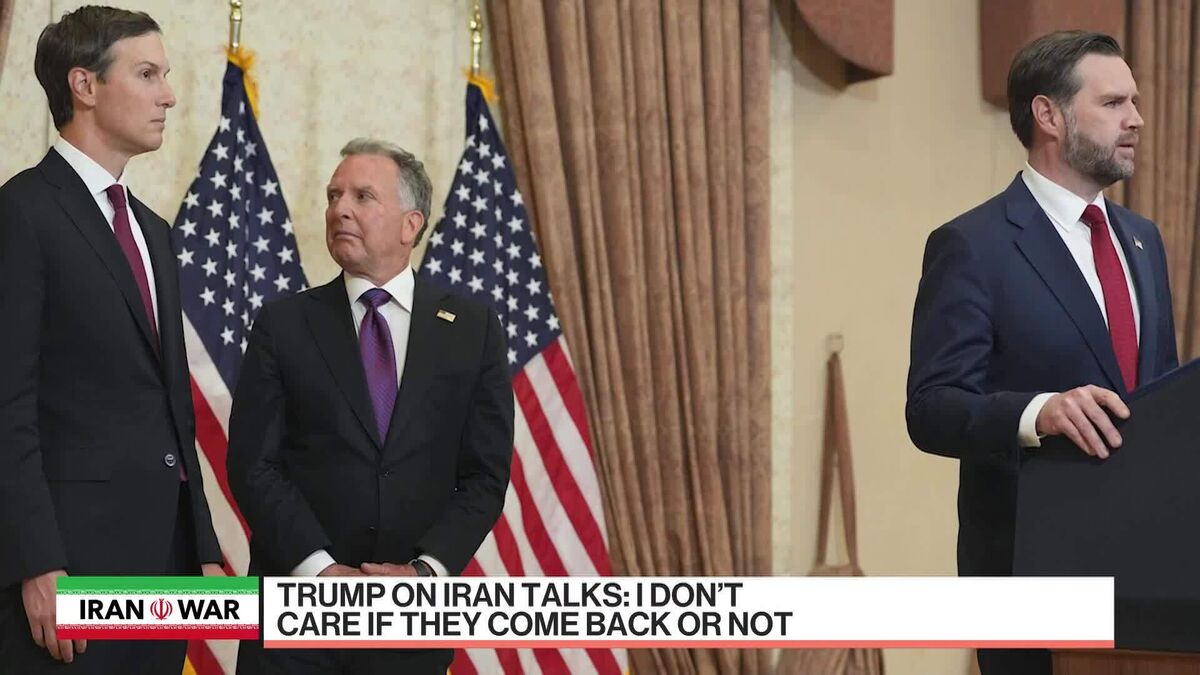

U.S.-Iran Talks Collapse in Pakistan, Threatening Fragile Ceasefire and Broader Diplomatic Efforts
In a high-stakes diplomatic setback, the United States and Iran have failed to reach a consensus during prolonged negotiations held in Islamabad this week. The talks, which had stretched into marathon sessions, were aimed at solidifying a temporary ceasefire agreed upon last week. Their collapse now casts a shadow over hopes for a swift resolution to the ongoing conflict between the two nations and raises concerns about escalating tensions in an already volatile region.
The negotiations, mediated by Pakistani officials, were seen as a critical opportunity to de-escalate hostilities and pave the way for broader diplomatic engagement. However, sources close to the discussions revealed that deep-seated disagreements over key issues—ranging from regional security to economic sanctions—proved insurmountable. The breakdown of talks not only jeopardizes the fragile ceasefire but also underscores the enduring mistrust between Washington and Tehran, which has hindered progress for decades.
A Ceasefire Under Pressure
Last week’s ceasefire agreement had sparked cautious optimism among international observers, who viewed it as a potential turning point in a conflict marked by proxy wars, economic sanctions, and military brinkmanship. The truce, brokered through backchannel communications, had temporarily halted hostilities in key flashpoints, including Yemen and Iraq, where U.S. and Iranian-aligned forces have been embroiled in clashes.
However, the optimism was short-lived. Analysts warn that the failure to build on the ceasefire during the Islamabad talks could lead to renewed violence. “The ceasefire was always a fragile arrangement,” said Paul Salem, president of the Middle East Institute. “Without a broader framework for addressing the underlying issues, it was only a matter of time before tensions resurfaced.”
Key Sticking Points
The talks reportedly foundered on several contentious issues. Foremost among them was Iran’s demand for the lifting of U.S. economic sanctions, which have severely impacted its economy. The Biden administration, meanwhile, sought guarantees from Tehran to curb its nuclear program and end its support for militant groups across the Middle East.
“The two sides were simply too far apart,” said a diplomatic source familiar with the discussions. “Iran wanted immediate sanctions relief, while the U.S. insisted on verifiable steps toward denuclearization and regional stability. Neither side was willing to make the first move.”
The negotiations also highlighted the broader geopolitical divide between Washington and Tehran. Iran has long accused the U.S. of destabilizing the region through its military presence and support for allies like Israel and Saudi Arabia. The U.S., in turn, has criticized Iran for its ballistic missile program and its alleged role in attacks on American interests in the region.
Regional and Global Implications
The collapse of talks has far-reaching implications, not only for U.S.-Iran relations but also for regional stability. Countries like Iraq, Yemen, and Syria, where both nations wield significant influence, could once again become battlegrounds for proxy conflicts. The situation is particularly precarious in Yemen, where a UN-brokered peace process has already been hampered by external actors.
Moreover, the failure of diplomacy in Islamabad could impact global efforts to revive the 2015 Iran nuclear deal, formally known as the Joint Comprehensive Plan of Action (JCPOA). The agreement, which aimed to limit Iran’s nuclear capabilities in exchange for sanctions relief, unraveled after the U.S. withdrew under the Trump administration. Efforts to restore the deal have sputtered in recent months, and the latest setback may further diminish hopes for a breakthrough.
“The collapse of these talks is a stark reminder of how difficult it is to rebuild trust between the U.S. and Iran,” said Karim Sadjadpour, a senior fellow at the Carnegie Endowment for International Peace. “The JCPOA was a hard-won achievement, but restoring it requires political will on both sides. Right now, that seems to be lacking.”
Pakistan’s Mediating Role
Pakistan’s involvement in the talks marks a significant departure from its traditionally cautious approach to regional diplomacy. Islamabad, which shares borders with Iran and maintains close ties with both the U.S. and China, positioned itself as a neutral mediator in a bid to bolster its diplomatic credentials on the global stage.
However, the failure of the talks raises questions about Pakistan’s ability to navigate the complex dynamics of U.S.-Iran relations. “Pakistan’s role was commendable, but it’s unclear whether it has the leverage or influence to bring two arch-rivals to the table,” said Michael Kugelman, director of the Wilson Center’s South Asia Institute. “This experience highlights the limitations of mediation in conflicts where the parties are fundamentally at odds.”
The Road Ahead
As the dust settles on the Islamabad talks, attention now turns to the next steps for both the U.S. and Iran. The Biden administration faces mounting pressure to demonstrate progress on its Middle East policy, particularly amid domestic criticism and growing skepticism from allies. Iran, meanwhile, must contend with the economic toll of sanctions and the political fallout from its inability to secure relief.
Some experts argue that the failure of talks could prompt both sides to explore alternative avenues for dialogue, possibly through multilateral forums or third-party intermediaries. Others warn that without a renewed commitment to diplomacy, the region may be headed toward further instability.
For now, the future of U.S.-Iran relations remains uncertain. As both nations weigh their options, the fragile ceasefire hangs in the balance, leaving the Middle East—and the world—on edge. In the words of one regional analyst, “Diplomacy may have faltered, but the need for dialogue has never been more urgent.”
