



Escalating Violence in Lebanon: A Dangerous Spiral in the Middle East
The streets of southern Lebanon have become a haunting tableau of destruction and despair, as Israeli airstrikes and Hezbollah rocket attacks have claimed the lives of more than 160 people since Friday. This devastating escalation unfolds against the backdrop of a fragile U.S.-brokered ceasefire between Israel and Iran, a truce now teetering on the brink of collapse. The mounting casualties, homes reduced to rubble, and displaced families paint a grim picture of a conflict spiraling out of control, with repercussions that could ripple far beyond the region’s borders.
The Immediate Crisis: A Surge in Violence
The latest violence erupted after Israel intensified its military operations targeting Hezbollah, the Iran-backed militant group that holds significant sway in Lebanon. Israeli officials argue that the strikes are necessary to neutralize Hezbollah’s growing arsenal of rockets and prevent incursions into northern Israel. However, the sheer scale of the bombardment has drawn widespread condemnation. Residential areas, infrastructure, and civilian shelters have been hit, raising alarms about the humanitarian toll.
On the other side, Hezbollah has retaliated with relentless rocket barrages aimed at Israeli towns and military positions. The group’s leadership has vowed to continue its resistance, framing its actions as a defense of Lebanese sovereignty. Caught in the crossfire are civilians on both sides of the border, whose lives have been upended by the sudden escalation. Hospitals in Lebanon report being overwhelmed, while international aid organizations scramble to deliver emergency supplies to affected communities.
Global Context: A Fragile Ceasefire and Regional Tensions
This latest flare-up comes just weeks after the U.S. and Iran brokered a ceasefire aimed at de-escalating tensions between Israel and its regional adversaries. While the truce initially raised hopes of a cooling-down period, the violence in Lebanon suggests that the underlying tensions remain unresolved. Analysts warn that the ceasefire’s collapse could reignite a broader conflict, drawing in regional powers such as Iran, which supplies Hezbollah with weapons and financial support, and Saudi Arabia, which has long sought to counter Iranian influence in the Middle East.
The conflict also underscores the delicate balance of power in the Levant, where Israel’s security concerns intersect with Lebanon’s political instability. Lebanon, already grappling with a crippling economic crisis and a fractured government, now faces the added burden of a humanitarian catastrophe. The international community is watching closely, with fears that the violence could spill into neighboring countries or provoke retaliation from other Iran-backed groups in Syria, Iraq, or Yemen.
Why It Matters: Global Implications of a Regional Conflict
The escalating violence in Lebanon is not just a regional issue but a matter of global concern. The Middle East remains a geopolitical flashpoint, and any prolonged conflict threatens to destabilize energy markets, disrupt trade routes, and exacerbate refugee crises. Europe, still reeling from the aftershocks of the Syrian civil war, is particularly vulnerable to the spillover effects of another protracted conflict in the region.
Furthermore, the involvement of major powers such as the U.S., Iran, and Russia adds another layer of complexity. The U.S. has reaffirmed its commitment to Israel’s security, while Iran continues to support Hezbollah as a proxy in its broader struggle against Western influence. Moscow, meanwhile, has sought to position itself as a mediator, though its ties to both Iran and Syria complicate its role. The interplay of these geopolitical interests could either mitigate the crisis or inflame it further, with far-reaching consequences for global security.
The Human Cost: A Humanitarian Catastrophe Unfolding
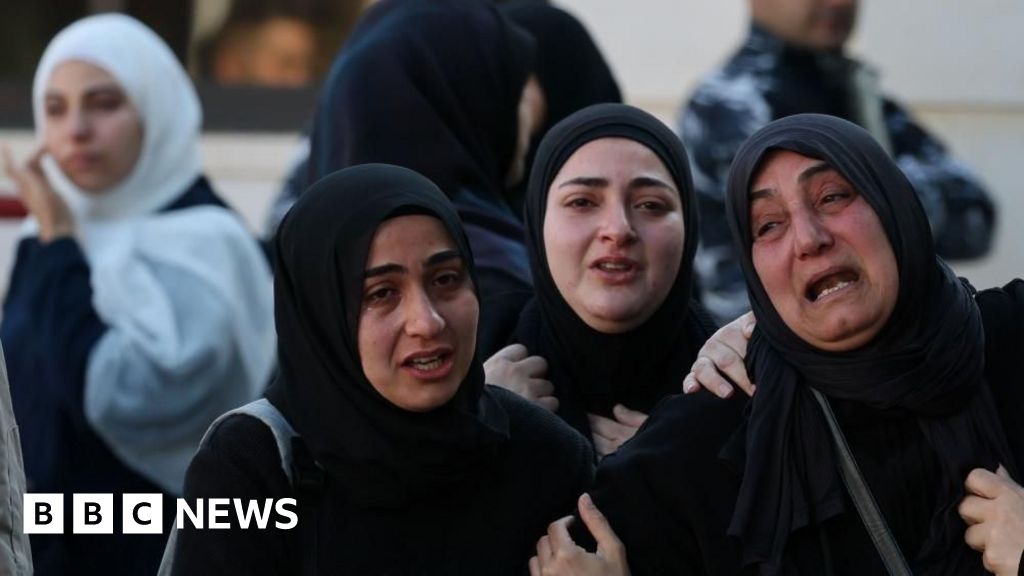
Amid the geopolitical maneuvering, the human cost of the conflict is staggering. Families in Lebanon are mourning loved ones killed in the strikes, while others are fleeing their homes in search of safety. Humanitarian organizations warn that the displacement crisis could worsen if the violence continues, placing additional strain on Lebanon’s already fragile infrastructure.
In Israel, residents of border towns are living in fear of Hezbollah’s rockets, many of which have struck civilian areas. Schools have been closed, and daily life has been disrupted as air raid sirens sound with alarming frequency. The psychological toll on civilians, particularly children, is profound, underscoring the urgent need for a diplomatic resolution.
A Path Forward: Diplomacy or Further Escalation?
As the death toll rises and the humanitarian crisis deepens, calls for an immediate ceasefire are growing louder. The United Nations has urged both sides to exercise restraint and return to dialogue, while international leaders have emphasized the need for de-escalation. However, the path to peace remains fraught with challenges.
One major obstacle is the deep-seated mistrust between Israel and Hezbollah, a rift that has defied resolution for decades. Israel views Hezbollah as an existential threat, while the militant group sees itself as a bulwark against Israeli aggression. Bridging this divide will require sustained diplomatic efforts and the involvement of neutral mediators.
Conclusion: A Test for Global Stability
The violence in Lebanon is a stark reminder of how quickly regional conflicts can escalate, with the potential to destabilize not just the Middle East but the broader international order. The world cannot afford to look away as civilians suffer and the specter of a wider war looms. The stakes are high, and the need for decisive action is urgent.
As the international community grapples with this crisis, the question remains: Will diplomacy prevail, or will the region descend into another cycle of violence and despair? The answer will shape the future of the Middle East and test the resilience of global efforts to uphold peace and security. In the meantime, the people of Lebanon and Israel are left to endure the devastating consequences of a conflict they did not choose but cannot escape.
