



Oil Markets Brace for Prolonged Disruptions as Strait of Hormuz Closure Threatens Global Supply
Analysts Warn of Extended Oil Shortages as Geopolitical Tensions Escalate
The global oil market faces mounting uncertainty as industry experts predict prolonged supply disruptions following heightened tensions in the Middle East. With the critical Strait of Hormuz—a vital maritime chokepoint for nearly 20% of the world’s oil supply—under threat of closure, analysts caution that even record U.S. crude exports may not be enough to stabilize prices or meet demand.
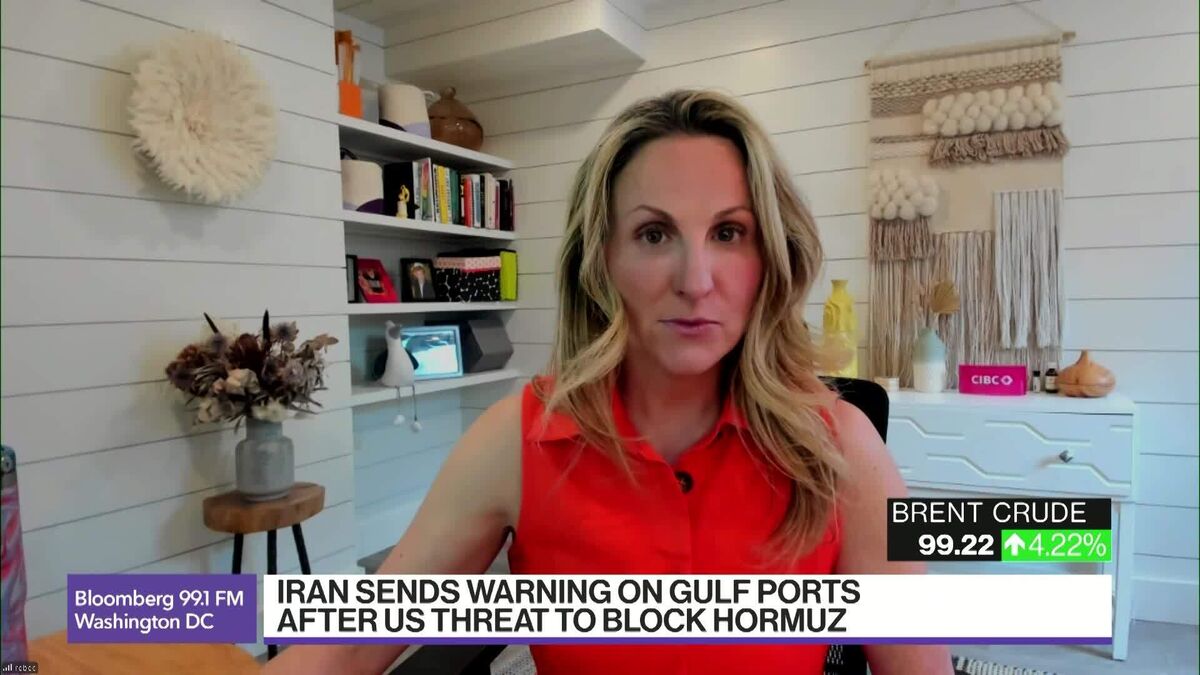
Rebecca Babin, senior equity trader and managing director at CIBC Private Wealth, described current market projections as overly optimistic, noting that a two-month timeline to restore oil production after a potential conflict with Iran is unrealistic. “The markets are pricing in a best-case scenario, but the reality could be far more disruptive,” she told Bloomberg.
Why the Strait of Hormuz Matters
The Strait of Hormuz, a narrow passage between Oman and Iran, serves as the primary route for oil exports from Saudi Arabia, Iraq, the UAE, Kuwait, and Qatar. Any sustained blockade—whether due to military conflict, sanctions, or sabotage—could send shockwaves through the global economy.
In 2021, an average of 17 million barrels per day (bpd) flowed through the strait, according to the U.S. Energy Information Administration (EIA). A prolonged shutdown would force nations to rely on limited alternative pipelines and longer shipping routes, driving up costs and exacerbating supply shortages.
U.S. Oil Exports Can’t Fill the Gap
While the U.S. has significantly ramped up crude production in recent years—reaching record export levels of over 5 million bpd—Babin emphasized that this would still fall short of compensating for lost supply from the Middle East. “Even if U.S. exports grow further, we’re looking at a structural deficit that could persist for months,” she said.
The Biden administration has previously tapped the Strategic Petroleum Reserve (SPR) to ease price spikes, but with stockpiles near 40-year lows, policymakers may have limited tools to mitigate a full-blown crisis.
Market Reactions and Investor Sentiment
Oil prices have already shown volatility in response to escalating tensions. Brent crude, the international benchmark, surged past $90 per barrel in recent weeks as traders priced in geopolitical risks. Some analysts warn that a worst-case scenario—such as a direct military confrontation—could push prices above $120, reigniting inflationary pressures worldwide.
“The market is underpricing tail risks,” said Helima Croft, head of global commodity strategy at RBC Capital Markets. “If Iran moves to block the strait, we’re looking at a supply shock comparable to the 1970s oil embargo.”
Historical Precedents and Regional Flashpoints
This isn’t the first time the Strait of Hormuz has been at the center of geopolitical strife. In 2019, Iran seized tankers and attacked Saudi oil facilities, temporarily disrupting supplies. The current standoff comes amid stalled nuclear negotiations and increased U.S. sanctions enforcement, raising the likelihood of further escalation.
Meanwhile, OPEC+ members have maintained production cuts, leaving little spare capacity to offset disruptions. Saudi Arabia and the UAE hold some additional output potential, but analysts question whether it would be sufficient in a prolonged crisis.
Global Economic Implications
A protracted supply crunch would have far-reaching consequences beyond energy markets. Higher fuel costs would strain consumers, particularly in emerging economies, while industries reliant on petrochemicals—such as plastics and transportation—could face margin pressures. Central banks, already grappling with inflation, may be forced to prolong tight monetary policies.
Europe, which has reduced dependence on Russian oil since the Ukraine war, remains vulnerable to Middle Eastern supply shocks. Asia, the world’s largest oil-consuming region, would also bear the brunt of price surges.
Diplomatic Efforts and Contingency Plans
Western governments are reportedly exploring contingency measures, including coordinated stockpile releases and diplomatic pressure on Iran. However, military options remain risky, given the potential for broader regional conflict.
“The best-case scenario is a negotiated de-escalation, but the window for diplomacy is narrowing,” said Fernando Ferreira, director of geopolitical risk at Rapidan Energy Group.
Conclusion: A Fragile Balance
As tensions simmer, the oil market finds itself walking a tightrope between optimism and reality. While traders hope for a swift resolution, experts warn that the risks of prolonged disruption are growing—and the world may not be fully prepared for the fallout. For now, all eyes remain on the Strait of Hormuz, where the next move could reshape global energy dynamics for months to come.
