


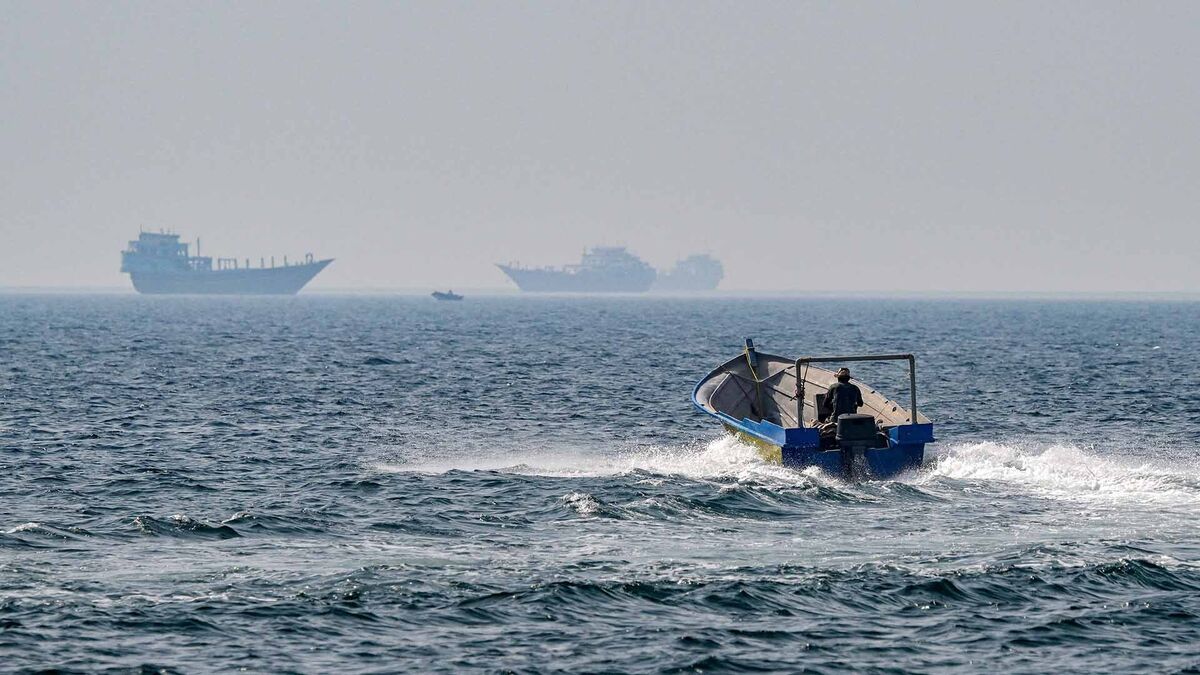

Global Equity Markets Risk Overlooking Energy Shock Impact, Warns Morgan Stanley Analyst
The global economy is teetering on the edge of a potential crisis as the ripple effects of the energy shock triggered by disruptions in the Strait of Hormuz remain insufficiently priced into equity markets, warns Rajeev Sibal, a prominent analyst at Morgan Stanley. In an exclusive interview with Bloomberg TV, Sibal cautioned that investors and policymakers alike may be underestimating the far-reaching consequences of this geopolitical flashpoint, which could dampen growth sentiment and destabilize financial markets worldwide.
The Strait of Hormuz, a narrow but critical maritime chokepoint, serves as a lifeline for global energy supplies, facilitating the transit of nearly 20% of the world’s oil and a significant portion of liquefied natural gas (LNG). Recent disruptions, stemming from heightened geopolitical tensions and reported shipping interruptions, have sent shockwaves through energy markets, driving prices upward and exacerbating inflationary pressures. Yet, according to Sibal, equity markets have yet to fully internalize the severity of these developments, raising concerns about a potential reckoning in the near future.
The Geopolitical Flashpoint
The Strait of Hormuz has long been a hotspot of geopolitical friction, with its strategic importance making it a focal point for regional and global powers. Situated between Iran and Oman, the waterway is a conduit for oil exports from major producers such as Saudi Arabia, Iraq, the United Arab Emirates, and Iran itself. Any disruption to this artery can have cascading effects on global energy supplies, with implications for industries ranging from manufacturing to transportation.
Recent tensions in the region have escalated amid ongoing conflicts and political maneuvering. Analysts point to Iran’s growing assertiveness, coupled with the West’s efforts to enforce sanctions and secure alternative energy routes, as key drivers of the instability. Reports of ship seizures, attacks on tankers, and heightened military posturing have further inflamed the situation, creating a volatile environment that threatens to spill over into broader economic repercussions.
Energy Prices and Inflationary Pressures
The immediate impact of the disruptions has been felt in the energy markets, with oil prices experiencing significant volatility. Brent crude, the global benchmark, has surged in recent weeks, nearing levels not seen since the early months of the Ukraine conflict. This spike has reignited concerns about inflation, particularly in economies already grappling with the lingering effects of the COVID-19 pandemic and supply chain disruptions.
Central banks, especially in developed markets, have been aggressively tightening monetary policy to combat inflation. However, Sibal argues that the energy shock introduces a new dimension of complexity. Unlike demand-driven inflation, which can be mitigated through interest rate hikes, supply-side shocks such as those emanating from the Strait of Hormuz are harder to tame. Higher energy costs translate into increased production expenses, which are often passed on to consumers in the form of higher prices for goods and services. This dynamic, Sibal warns, could prolong inflationary pressures and erode consumer purchasing power, ultimately weighing on economic growth.
Equity Markets: A Delayed Reaction?
Despite these warning signs, equity markets have shown resilience, with many indices posting gains in recent months. This apparent disconnect, Sibal suggests, reflects a broader tendency among investors to prioritize short-term earnings reports and macroeconomic data over geopolitical risks. However, he cautions that this optimism may be misplaced.
Historical precedent underscores the vulnerability of equity markets to energy shocks. The oil crises of the 1970s, for instance, triggered prolonged periods of stagflation and market downturns. More recently, the 2019 attacks on Saudi oil facilities and the subsequent spike in oil prices prompted a sharp correction in global equities. Sibal warns that current conditions bear similarities to these events, raising the specter of a similar market adjustment.
Sectoral Vulnerabilities
Certain sectors are particularly exposed to the fallout from the energy shock. Transportation and logistics companies, already grappling with elevated fuel costs, could face further strain. Similarly, energy-intensive industries such as manufacturing and chemicals may see margins squeezed as input costs rise. On the flip side, energy producers and companies involved in renewable energy infrastructure could benefit from the heightened focus on energy security and diversification.
Sibal also highlights the potential impact on emerging markets, many of which are net energy importers. Countries such as India, Turkey, and South Africa rely heavily on oil imports to power their economies, making them particularly susceptible to price spikes. Prolonged energy inflation could exacerbate fiscal deficits, weaken currencies, and undermine economic stability in these regions.
Policy Implications
The energy shock also presents a conundrum for policymakers. While central banks remain focused on taming inflation, the supply-side nature of the crisis complicates their efforts. Fiscal measures, such as subsidies or price controls, could offer temporary relief but risk distorting markets and exacerbating budget deficits.
At the same time, the crisis underscores the urgency of accelerating the transition to renewable energy and reducing dependence on fossil fuels. Governments and corporations alike are increasingly investing in sustainable energy solutions, from wind and solar to hydrogen and battery storage. However, as Sibal notes, these initiatives will take time to bear fruit, leaving economies vulnerable to energy shocks in the interim.
Looking Ahead
As the situation in the Strait of Hormuz continues to evolve, the global economy faces a precarious balancing act. While equity markets have so far remained buoyant, Sibal’s warning serves as a stark reminder of the risks lurking beneath the surface. Investors, he advises, would do well to reassess their portfolios and factor in the potential for prolonged volatility and downward pressure on growth.
For policymakers, the challenge lies in navigating the twin imperatives of stabilizing energy markets and fostering sustainable growth. In the long term, reducing dependence on fossil fuels and diversifying energy sources will be critical to mitigating the impact of such shocks.
As the world watches developments in the Strait of Hormuz with bated breath, one thing is clear: the road ahead is fraught with uncertainty, and the stakes could not be higher.
