


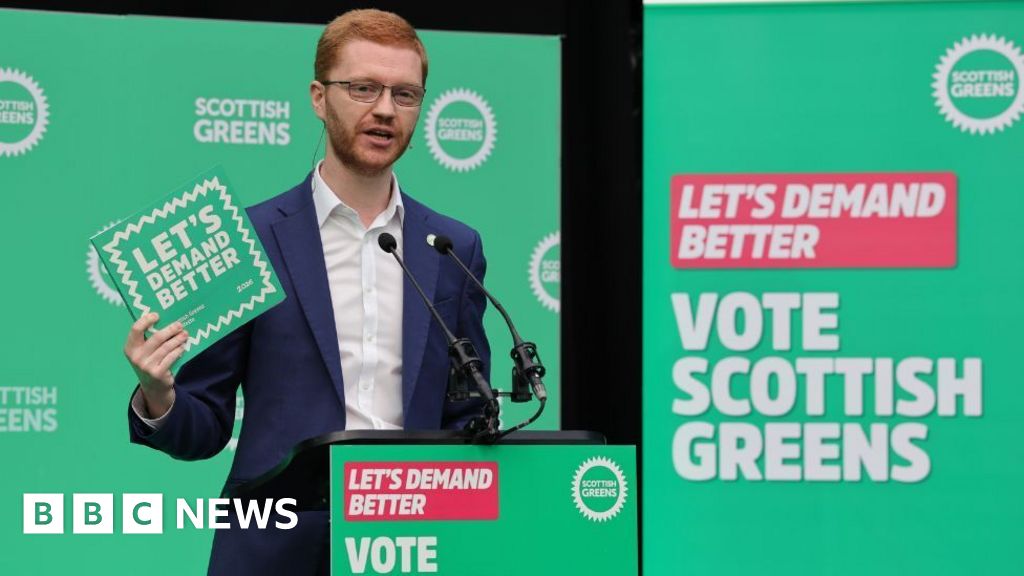

Green Party Leaders Announce Free Bus Travel and Expanded Childcare in Bold Policy Push
Scotland’s Green Party co-leaders, Ross Greer and Gillian Mackay, unveiled ambitious new policy proposals today, pledging free bus travel for all residents and a major expansion of funded childcare. The announcement signals a bold move to address both economic inequality and environmental sustainability ahead of key local elections.
Speaking at a party conference in Edinburgh, Greer framed the initiative as a “transformational investment in people and the planet.” The plan would eliminate fares on all public buses nationwide, building on Scotland’s existing free travel scheme for under-22s. Meanwhile, Mackay emphasized childcare reforms, promising to extend subsidized care to more families and reduce barriers for parents returning to work.
A Dual Focus: Mobility and Equity
The free bus proposal aims to cut transport costs for households while reducing carbon emissions. Studies show that affordable public transit significantly lowers car dependency, a critical step toward Scotland’s net-zero targets. Critics, however, question the funding mechanism, with opposition parties warning of strained local budgets.
Greer dismissed fiscal concerns, arguing that long-term savings from reduced road maintenance and pollution-related health costs would offset upfront expenses. “This isn’t just about fairness—it’s about rethinking how we allocate resources to benefit everyone,” he said.
On childcare, Mackay outlined plans to widen eligibility for free hours and boost wages for sector workers, who have long faced low pay and high turnover. The Greens hope to mirror successful models in Nordic countries, where universal childcare has bolstered workforce participation, particularly among women.
Political and Economic Context
The policy rollout comes amid growing pressure on Scotland’s governing coalition, led by the SNP, to deliver tangible improvements in living standards. With inflation still squeezing household budgets, the Greens are positioning themselves as champions of cost-of-living relief.
Economists note that while the plans could stimulate economic activity, funding remains a hurdle. The Scottish government’s budget is already tightly stretched, and new revenue streams—potentially including higher taxes on high earners or redirecting fossil fuel subsidies—would likely be needed.
Public reaction has been mixed. Commuters and young families welcomed the proposals, but business groups cautioned against “unfunded mandates.” The Scottish Chambers of Commerce warned that without private sector consultation, the policies risk unintended consequences for small employers.
What’s Next?
The Greens will push for the measures to be included in the next budget negotiations, testing their influence as junior coalition partners. Success could redefine Scotland’s social contract, but failure may fuel accusations of overreach.
For now, the party is betting big on a simple message: easing daily burdens while accelerating the green transition. As Mackay put it, “This isn’t just policy—it’s about building a society where no one has to choose between a paycheck and their family or the planet.”
The coming months will reveal whether voters—and the SNP—are ready to back that vision.
