


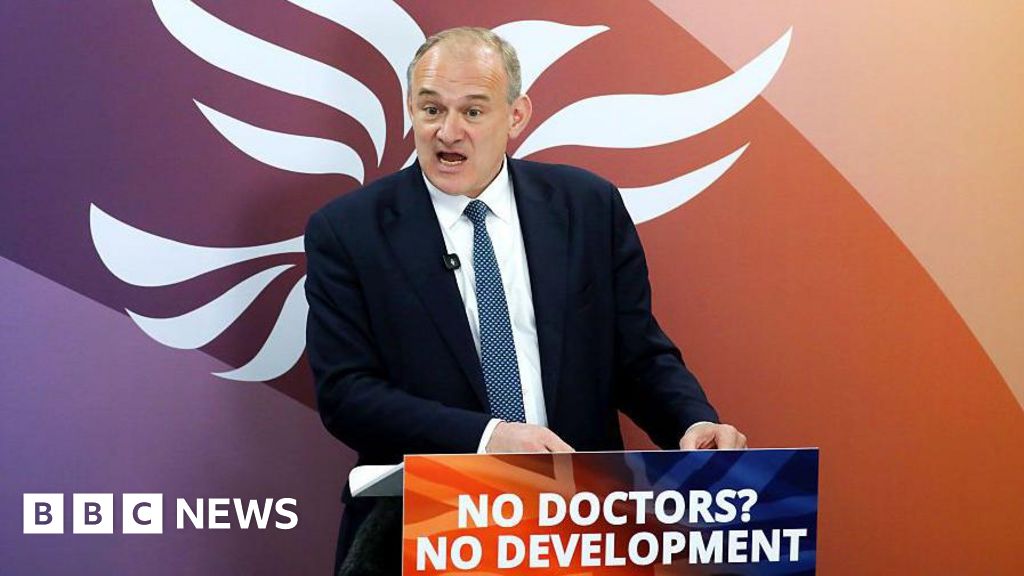

New Legislation to Mandate Developers Fund GP Surgeries Amid Healthcare Strain
A groundbreaking proposal could see property developers in England required to fund, construct, or expand general practitioner (GP) surgeries as part of new planning regulations. The move, announced by the governing Conservative Party, aims to address the growing strain on primary healthcare services caused by rapid housing development.
The legislation, set to be introduced in the coming months, would mandate developers to account for the increased demand for medical services when planning new housing projects. This could involve either directly funding new GP practices, expanding existing facilities, or contributing financially to ensure adequate healthcare infrastructure is in place.
Why This Matters
The UK’s healthcare system has faced mounting pressure in recent years, with GP surgeries struggling to cope with rising patient numbers. According to NHS England, the number of registered patients per GP has increased by 10% over the past decade, while the number of fully qualified GPs has fallen by 6%. This imbalance has led to longer waiting times, reduced patient access, and growing frustration among both healthcare providers and the public.
The issue has been exacerbated by the government’s ambitious target to build 300,000 new homes annually. While housing development is crucial to addressing the UK’s housing crisis, critics argue that insufficient infrastructure planning has left communities without adequate schools, transportation, and healthcare facilities.
The proposed law seeks to rectify this by ensuring that developers take responsibility for the broader impact of their projects. “This is about creating sustainable communities where people not only have a roof over their heads but also access to essential services,” said a spokesperson for the Department of Health and Social Care.
How It Would Work
Under the new rules, developers would need to include provisions for GP surgeries in their planning applications. This could involve dedicating land for healthcare facilities, building surgeries from scratch, or funding the expansion of existing practices. Contributions would be calculated based on the scale of the development and its anticipated impact on local healthcare services.
Local councils would oversee the process, ensuring that developers comply with the requirements and that funds are allocated efficiently. The government has also pledged to work closely with NHS England to identify areas most in need of additional GP capacity.
Industry Reaction
The proposal has sparked mixed reactions from the property development sector. While some industry leaders have welcomed the move as a step toward more sustainable planning, others have raised concerns about the financial burden it could place on developers.
“This could add significant costs to projects, particularly for smaller developers,” said Jane Harris, CEO of the National Federation of Builders. “While we support the principle of ensuring adequate infrastructure, we need clarity on how these contributions will be calculated and enforced.”
Health organizations, on the other hand, have largely praised the initiative. Dr. Richard Vautrey, chair of the British Medical Association’s General Practitioners Committee, called it a “much-needed step” toward alleviating the pressure on primary care. “For too long, we’ve seen housing developments spring up without any consideration for healthcare. This law could help ensure that GP services keep pace with population growth,” he said.
Broader Context
The proposed legislation comes amid a broader push to reform the UK’s planning system. Earlier this year, the government unveiled plans to streamline the planning process and accelerate housing delivery. However, critics argue that the focus on speed has come at the expense of infrastructure planning.
The move also aligns with the government’s long-term goal of reducing pressure on hospitals by strengthening primary care services. By improving access to GP surgeries, policymakers hope to prevent minor health issues from escalating into more serious conditions that require hospital treatment.
Public Opinion
Public reaction to the proposal has been cautiously optimistic. Many residents in rapidly growing areas have expressed frustration over the lack of healthcare infrastructure, citing long waits for appointments and overcrowded surgeries.
“It’s great to see the government finally addressing this issue,” said Sarah Thompson, a resident of a newly developed neighborhood in Kent. “We’ve been waiting years for a new GP surgery, and it’s been a nightmare trying to get appointments. This could make a real difference.”
Future Implications
If passed, the legislation could set a precedent for future planning regulations, potentially extending to other essential services such as schools and public transportation. It also signals a shift in how the government approaches sustainable development, emphasizing the need for infrastructure to keep pace with housing growth.
However, questions remain about how the law will be implemented and enforced. Critics argue that without robust oversight, developers may find ways to minimize their contributions, undermining the initiative’s effectiveness.
The proposal is expected to face scrutiny in Parliament, with opposition parties likely to press for further details on funding and enforcement. Despite these challenges, the legislation represents a significant step toward addressing one of the UK’s most pressing healthcare issues.
As the debate unfolds, one thing is clear: the relationship between housing development and healthcare infrastructure is no longer an afterthought. With this move, the government is signaling its commitment to building communities that are not just livable but sustainable in the long term.
