



US Enforces Naval Blockade on Iran: Escalation in Persian Gulf Tensions
Persian Gulf – October 2023
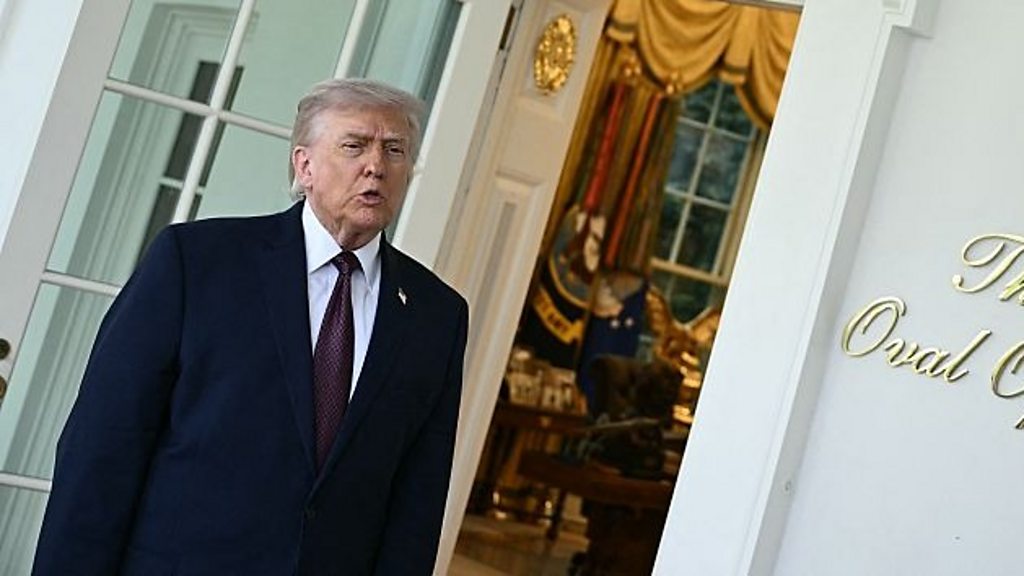
In a dramatic escalation of geopolitical tensions, the United States has imposed a naval blockade on Iran’s ports, a move announced by former President Donald Trump and confirmed by US officials on Monday. This bold maneuver, aimed at curbing Iran’s maritime activities, has sent shockwaves through the international community, raising concerns about the potential for wider conflict in one of the world’s most strategically vital regions. As warships patrol the Persian Gulf, the blockade marks a significant shift in US-Iran relations and could have far-reaching implications for global energy markets, regional stability, and international diplomacy.
The Blockade: What We Know So Far
The blockade, officially initiated on Monday, restricts access to key Iranian ports, including Bandar Abbas and Chabahar, both critical hubs for Iran’s oil exports and trade. According to US officials, the move is part of a broader strategy to exert maximum pressure on Tehran, following stalled negotiations over Iran’s nuclear program and allegations of Iranian support for militant groups across the Middle East.
Vessels approaching Iranian waters are being intercepted and inspected by US Navy ships, with cargo suspected of violating international sanctions confiscated or turned away. The Pentagon has stated that the operation is conducted in accordance with United Nations resolutions targeting Iran’s nuclear and ballistic missile programs. However, critics argue that the unilateral nature of the blockade risks undermining international legal norms and escalating tensions in an already volatile region.
Global Context: Why This Matters
The Persian Gulf is a linchpin of the global economy, with nearly a third of the world’s seaborne oil passing through its waters. Any disruption in this region has immediate repercussions for energy prices, affecting industries and consumers worldwide. The US blockade could lead to a significant reduction in Iran’s oil exports, further straining global supplies already impacted by the ongoing conflict in Ukraine and production cuts by OPEC+ nations.
Moreover, the blockade comes at a time of heightened geopolitical polarization. The US-China rivalry, Russia’s invasion of Ukraine, and tensions in the Indo-Pacific have created a fractured international landscape. Iran, a key player in the Middle East, has deepened its ties with both China and Russia in recent years, positioning itself as a counterweight to Western influence. The blockade could intensify this alignment, potentially drawing other major powers into the fray and complicating efforts to de-escalate regional conflicts.
Regional Reactions: A Powder Keg Ignited
The US blockade has drawn sharp condemnation from Iranian officials, who have labeled it an act of “economic warfare” and a violation of international law. Iranian President Ebrahim Raisi has vowed to retaliate, raising fears of potential military confrontations in the Persian Gulf. Iran’s Revolutionary Guard Corps (IRGC) has reportedly heightened its naval presence in the region, warning of “consequences” for any foreign vessels attempting to enforce the blockade.
Neighboring Gulf states, including Saudi Arabia and the United Arab Emirates, have expressed cautious concern. While these nations have long-standing rivalries with Iran, they are also major oil exporters and stand to lose from any prolonged instability in the region. Their responses will be critical in determining whether the crisis remains contained or spirals into broader conflict.
The Human Cost: A Forgotten Narrative
Amid the geopolitical maneuvering, the blockade’s impact on ordinary Iranians cannot be overlooked. With Iran’s economy already reeling under years of sanctions, the blockade could exacerbate shortages of essential goods, driving up prices and deepening hardship for millions. Humanitarian organizations warn of a potential crisis, with medicine and food supplies at risk of disruption.
The blockade also poses dangers to regional maritime workers, from Iranian sailors to international crews passing through the Strait of Hormuz. Any escalation could lead to accidents, confrontations, or even hostage situations, further complicating efforts to resolve the crisis diplomatically.
Looking Ahead: Diplomacy or Disaster?
The international community faces a stark choice: escalate the pressure on Iran or seek a diplomatic solution to de-escalate tensions. European leaders, while critical of Iran’s nuclear ambitions, have expressed reservations about the blockade, fearing it could derail efforts to revive the 2015 nuclear deal. Meanwhile, China and Russia have called for an immediate end to the blockade, framing it as an example of US unilateralism.
For the United States, the blockade represents a high-stakes gamble. While it may succeed in further isolating Iran economically, it also risks provoking a military confrontation, entangling the US in yet another Middle Eastern conflict. The coming days will be critical in determining whether this move proves to be a strategic masterstroke or a dangerous miscalculation.
Conclusion: A Precarious Moment for Global Security
As tensions mount in the Persian Gulf, the world watches with bated breath. The US blockade on Iran’s ports is more than a regional conflict—it is a test of international diplomacy, a challenge to global energy security, and a reminder of the fragile balance of power in the Middle East. In an era marked by escalating geopolitical rivalries, the stakes could not be higher. The hope now rests on cooler heads prevailing, ensuring that this crisis does not spiral into a conflict with consequences far beyond the waters of the Persian Gulf.
